


Continuously Deploying Points of View
Applying continuous deployment thinking to ideas and points of view: publishing iteratively instead of waiting for the perfect article.
Insights Topic
Empiricism and flow are not software-specific. Apply agile principles to shorten cycle times in R&D, marketing, and operations.
On this page:
Empiricism and flow efficiency apply universally. Below, I map out how to structure short validation cycles for physical products, agile marketing campaigns, and biotech R&D.
Start here · Cornerstone read
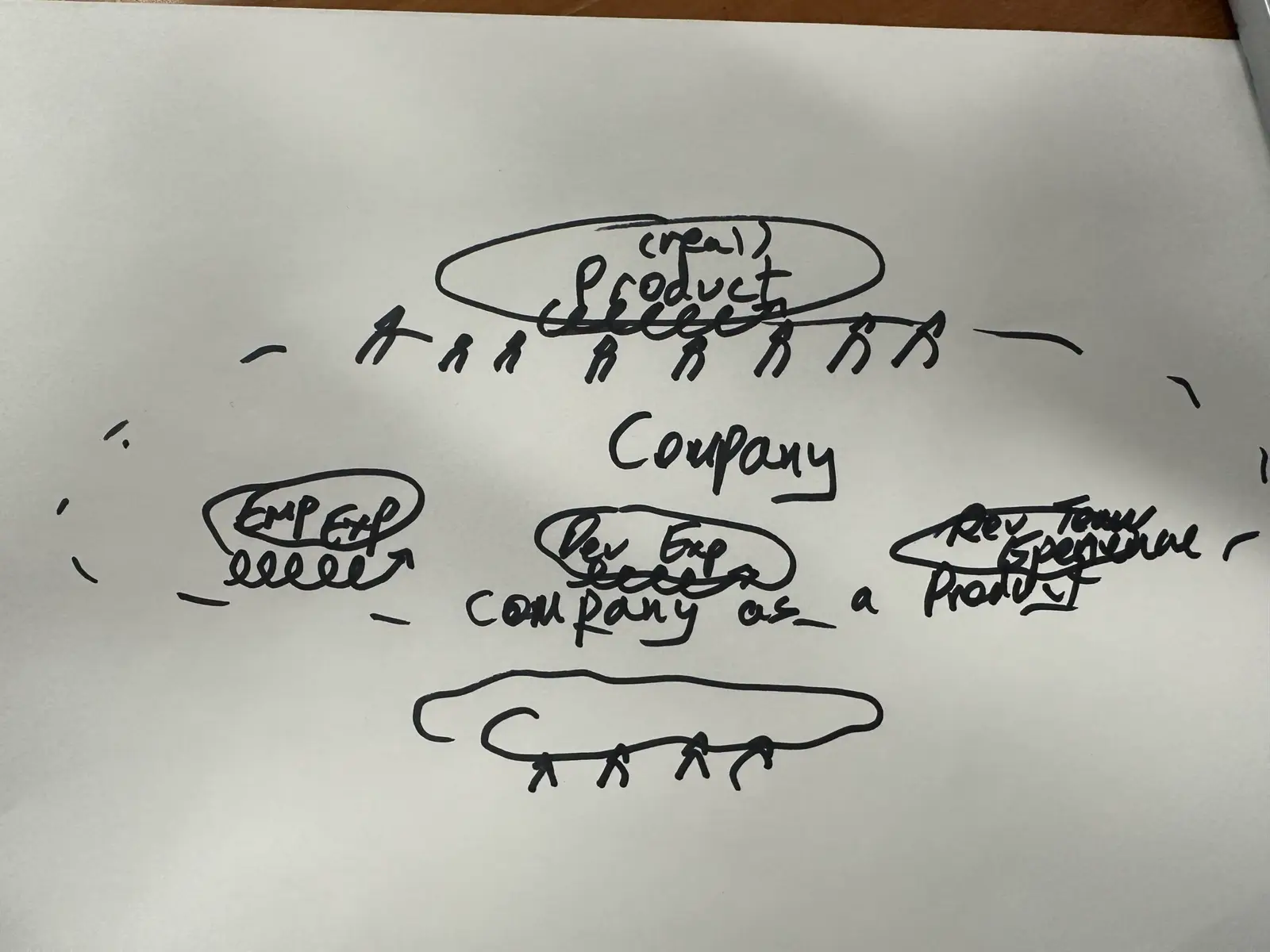
Agile principles aren't software-specific. Applying empiricism, flow, and outcome-focus to marketing, biotech R&D, consumer goods, operations, and the whole organization.
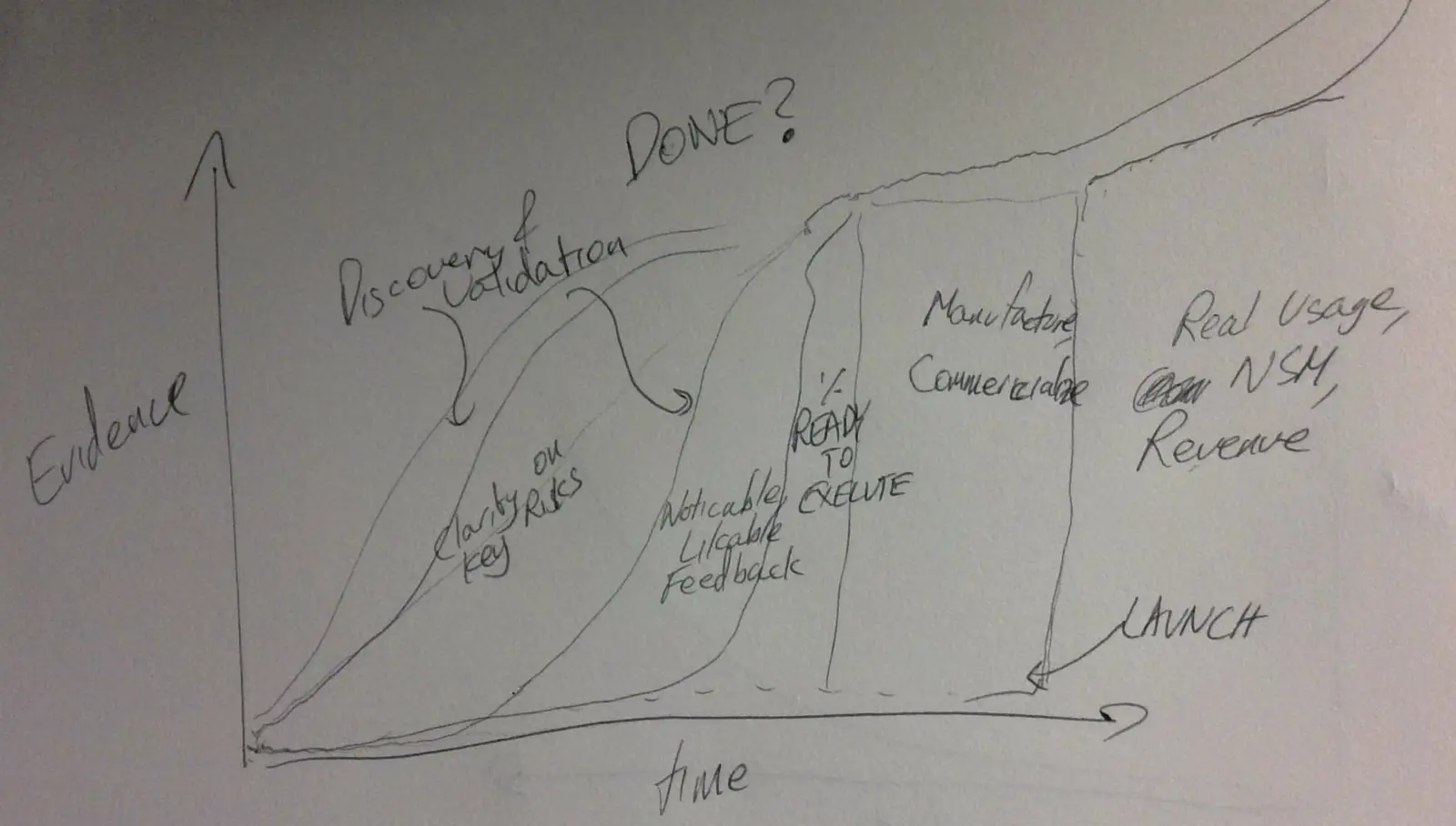
Read the full articleA common stumbling block when applying agile outside of IT is the definition of a "Done" increment. In domains like hardware, biotech, or chemical engineering, we have to decouple the Sprint cycle from final product releases.
Instead of shipping a finished product, the Sprint becomes a focused learning and validation cycle. The increment is designed to test high-risk assumptions through prototypes, lab results, or targeted customer feedback loops.
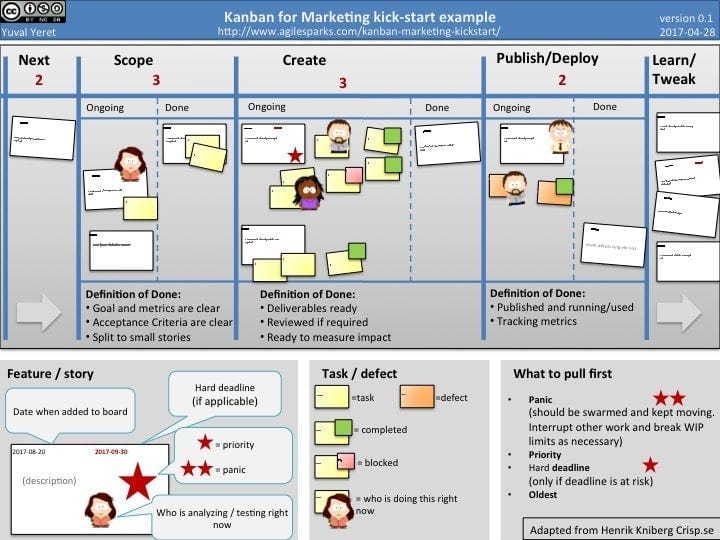
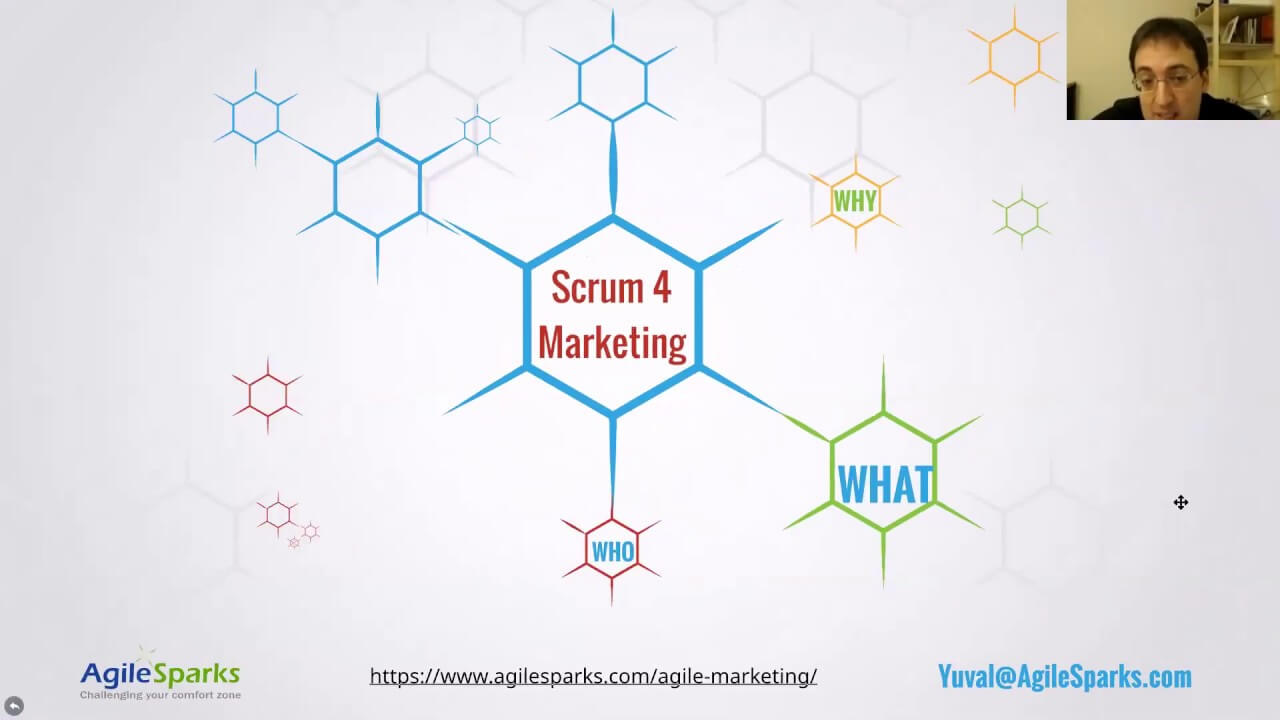
Agile marketing moves away from massive, rigid annual campaigns. We apply Kanban diagnostics to visualize the flow of creative work and limit WIP during campaign planning, reducing context-switching and burnout.
By running low-cost campaign validation experiments, marketing teams can gather early data and steer priorities based on actual customer journey metrics, improving ROI and responsiveness.
Yes, but you must decouple the sprint cycle from production. Focus on the sprint as a validation cycle: what high-risk assumptions can we test and validate in the next 2-3 weeks?
Use shared Kanban boards to visualize cross-functional flow. Limit WIP across the board to expose where work is queuing, and hold cross-functional briefings to align intents.
Insights Database
Browse the complete archive of articles and case studies related to agility beyond software.
Applying continuous deployment thinking to ideas and points of view: publishing iteratively instead of waiting for the perfect article.
Continuous deployment is often chased as a vanity metric rather than a flow enabler. When it genuinely changes delivery, and when it creates false confidence.
Product thinking in healthcare provider organizations: finding the products, naming the customers, and adapting agile to a patient-safety world.
What does 'working software' mean when you don't build software? How Done Increments and empirical delivery apply in consumer goods, pharma R&D, and beyond.