Scaling Product Orgs with Portfolio Agility
A minibook on portfolio agility: helping multi-product organizations see work clearly, improve flow, and steer investments with evidence instead of reported progress.
Insights Topic
Empowered teams only succeed when leadership clears the path. Bridge the gap between engineering speed and strategic outcomes.
On this page:
Durable alignment around products is the key to business agility. Below, I explore my core perspectives on how to move from "feature factories" and "Product Theater" into a real product operating model.
Start here · Cornerstone read
Empowered product teams, outcome-oriented leadership, and a structure that scales without losing speed. What it actually means to operate like a product company.
Read the full articleFeature factories evaluate their success based on how efficiently they churn out features from a predetermined backlog. The primary metrics are volume and schedule adherence. There is little room for discovery, and teams rarely validate if the features actually solved the underlying business problem.
A true product team operates differently. They are organized around durable product boundaries and empowered with the necessary business context. Instead of being handed a list of features to build, they are handed a problem to solve, and they are held accountable for the resulting business outcomes.
As companies grow, they naturally introduce specialized roles, coordination boards, and handover processes to handle the increased complexity. This is the scaling paradox: the very structures implemented to manage scale end up creating massive queues and dependency delays.
To restore speed and agility, organizations must actively descale their processes. This involves stabilizing cross-functional teams, reducing the coordination tax, and pushing decision-making authority closer to the actual work.
In traditional environments, portfolio reviews are often milestone-compliance sessions where leaders check if projects are on track against an initial, often flawed, plan. Real product alignment demands shifting these sessions to evaluate outcome-based evidence.
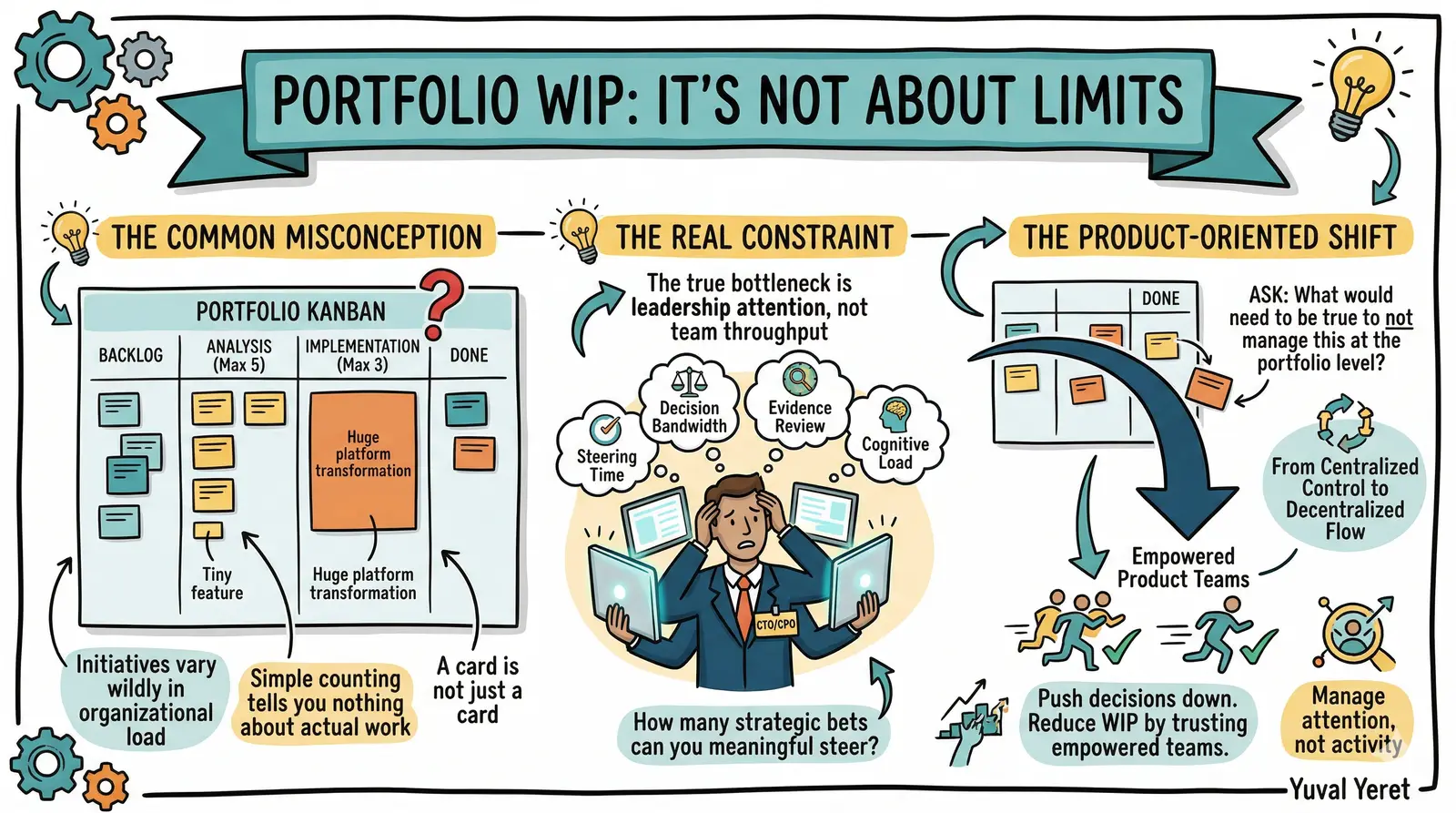
By managing portfolio Work In Progress (WIP), descaling administrative overhead, and continuously assessing the economic impact of initiatives, organizations can minimize coordination taxes and maintain a healthy flow of value.
The product operating model is an organizational system where cross-functional teams are aligned around durable product boundaries, empowered with the context and capabilities to make decisions, and measured by business outcomes rather than features shipped.
A project model funds temporary teams to deliver a pre-defined scope by a specific date. A product model funds persistent, cross-functional teams to solve ongoing customer or business problems, prioritizing continuous discovery and economic value.
Insights Database
Browse the complete archive of articles and case studies related to product operating model.
A minibook on portfolio agility: helping multi-product organizations see work clearly, improve flow, and steer investments with evidence instead of reported progress.
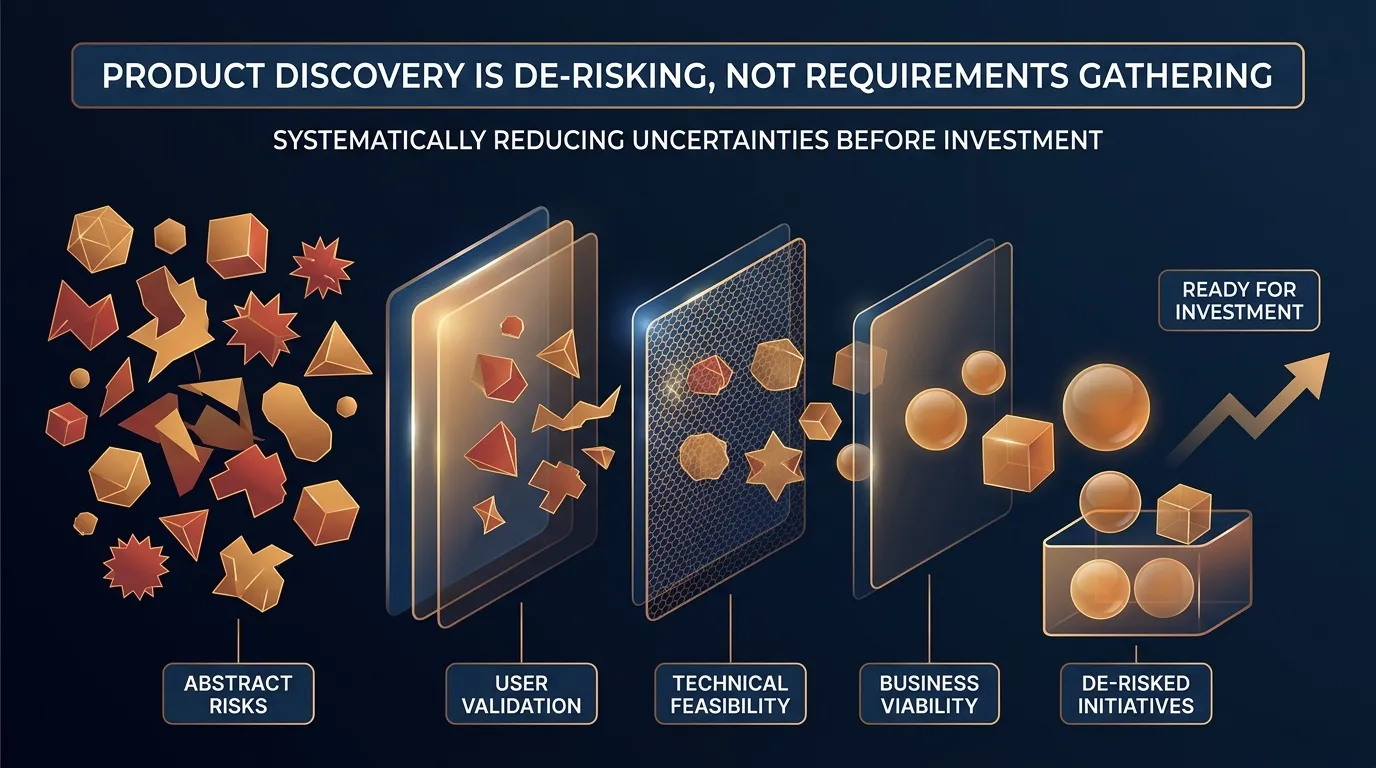
Most organizations execute projects well and realize value poorly. Reframe discovery as de-risking: plus a decision rule and an interactive tool to try it.
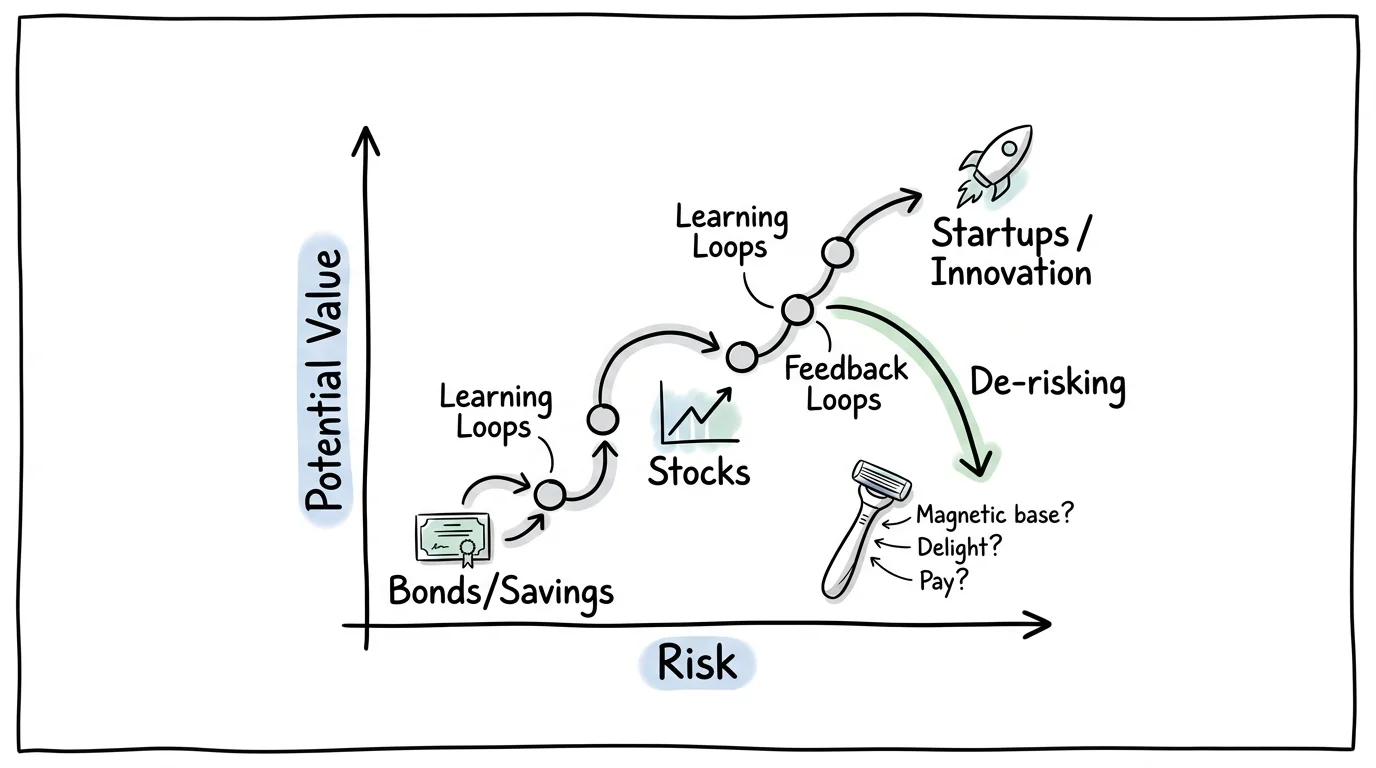
Value and risk are correlated almost everywhere. You cannot remove the risk that comes with real value, but you can de-risk it efficiently. That is agile.
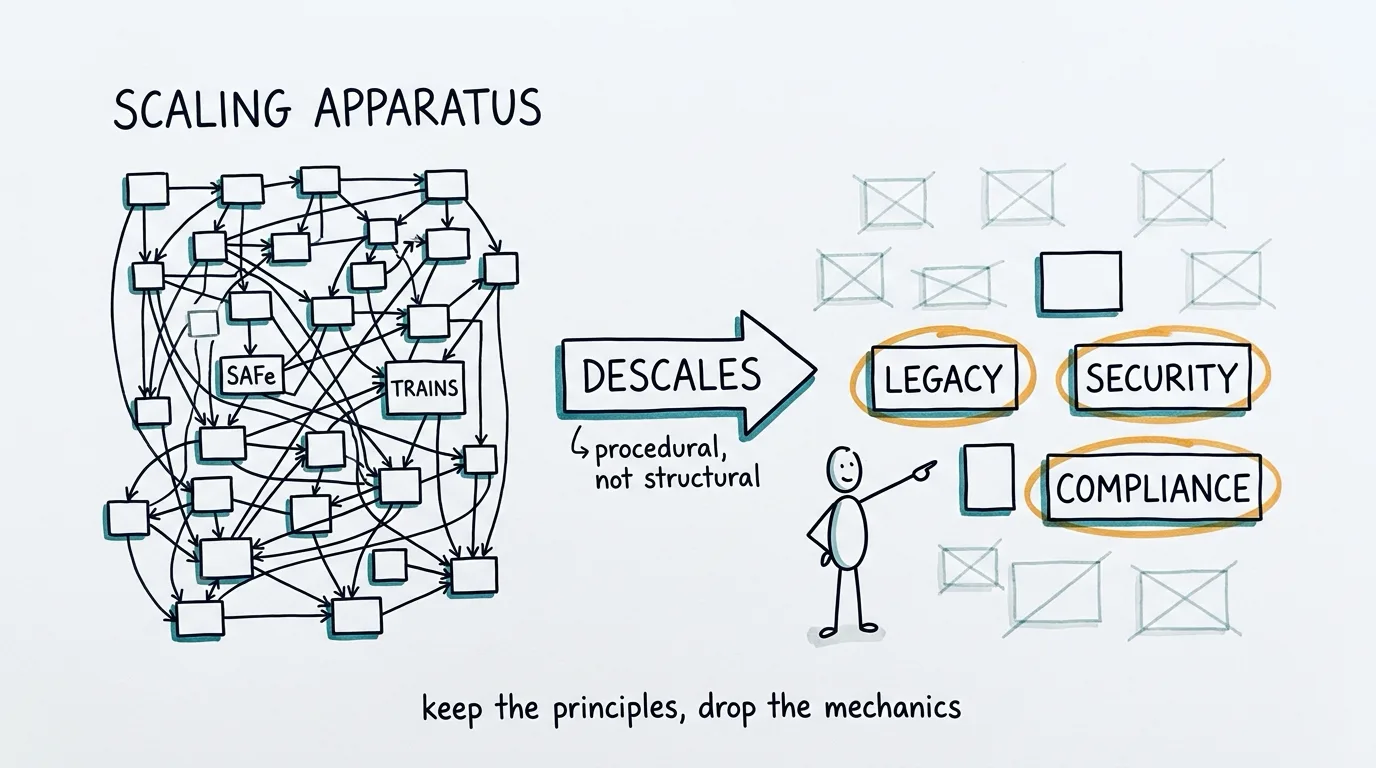
The flattening pitch assumes your teams can deliver an outcome alone. Most cannot. Agents make them faster, not necessarily independent. Here is how agents CAN help you accelerate the descaling process
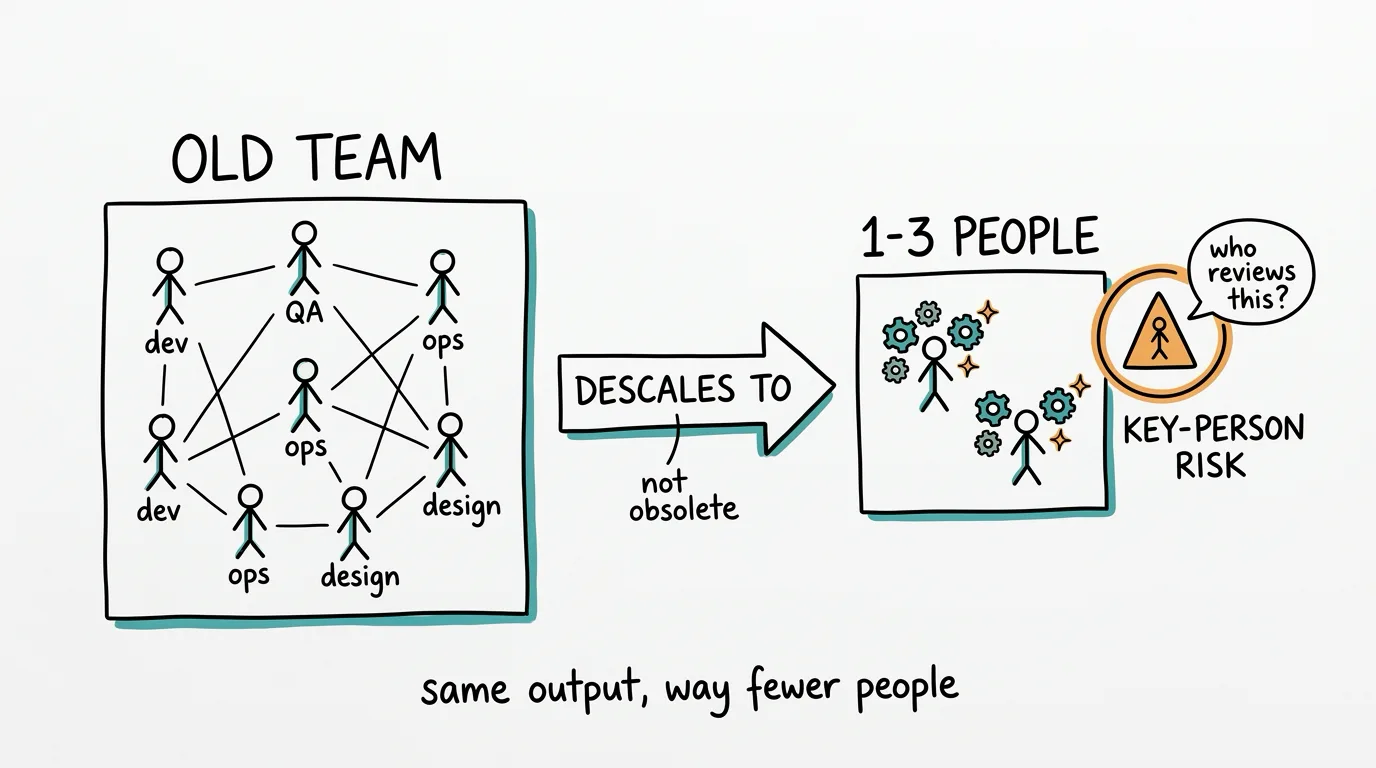
Don't ask whether you still need Sprint Planning. Ask whether you still have an alignment problem. Separating the mechanism from the capability is the whole game right now.
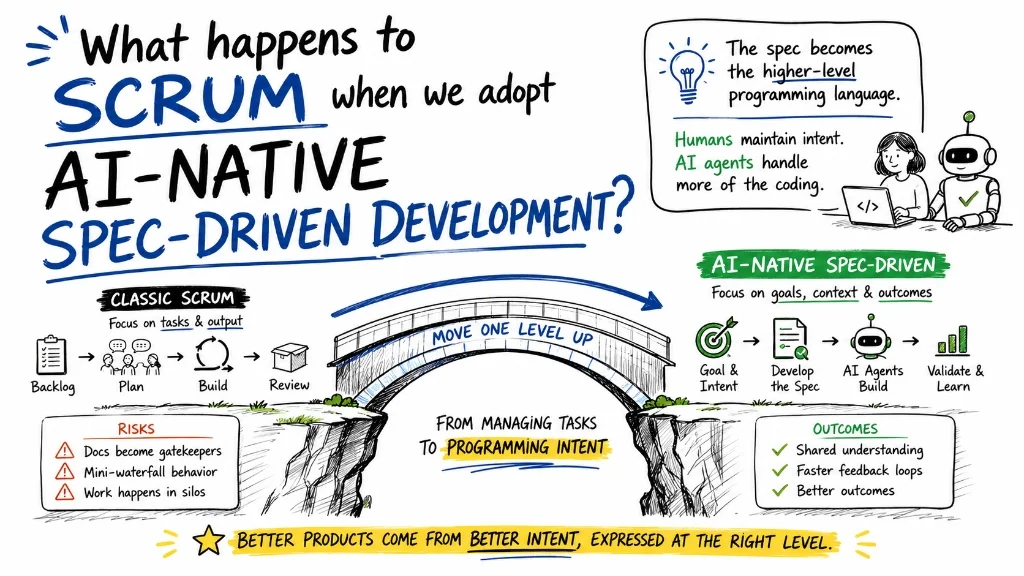
Spec-driven development looks like a step backward if you read it as requirements theater. The better frame: the spec is a higher-level language for intent.
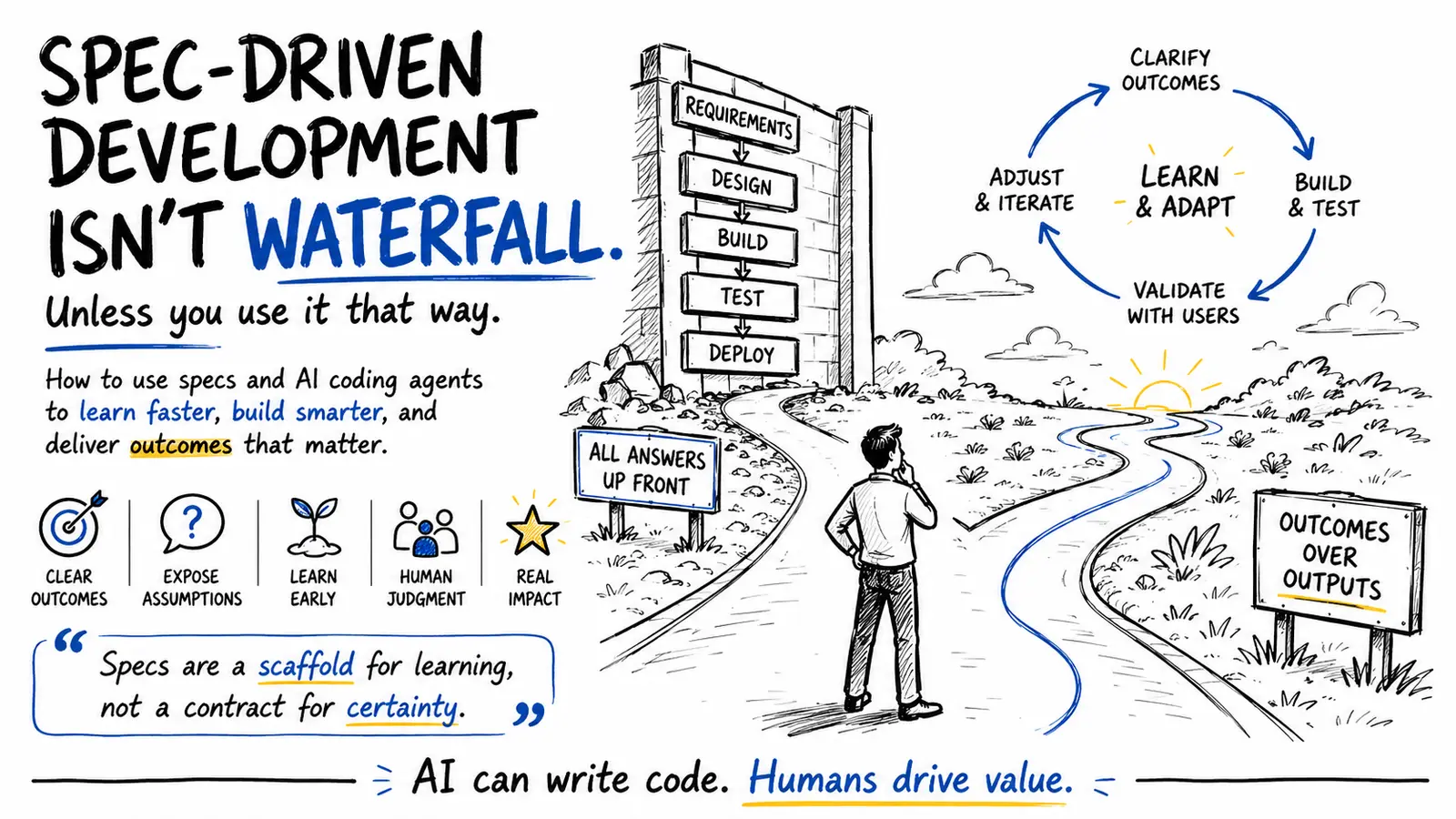
Spec-driven development can be a smarter way to steer AI coding agents, or waterfall with more tokens. The difference is whether the spec creates learning.
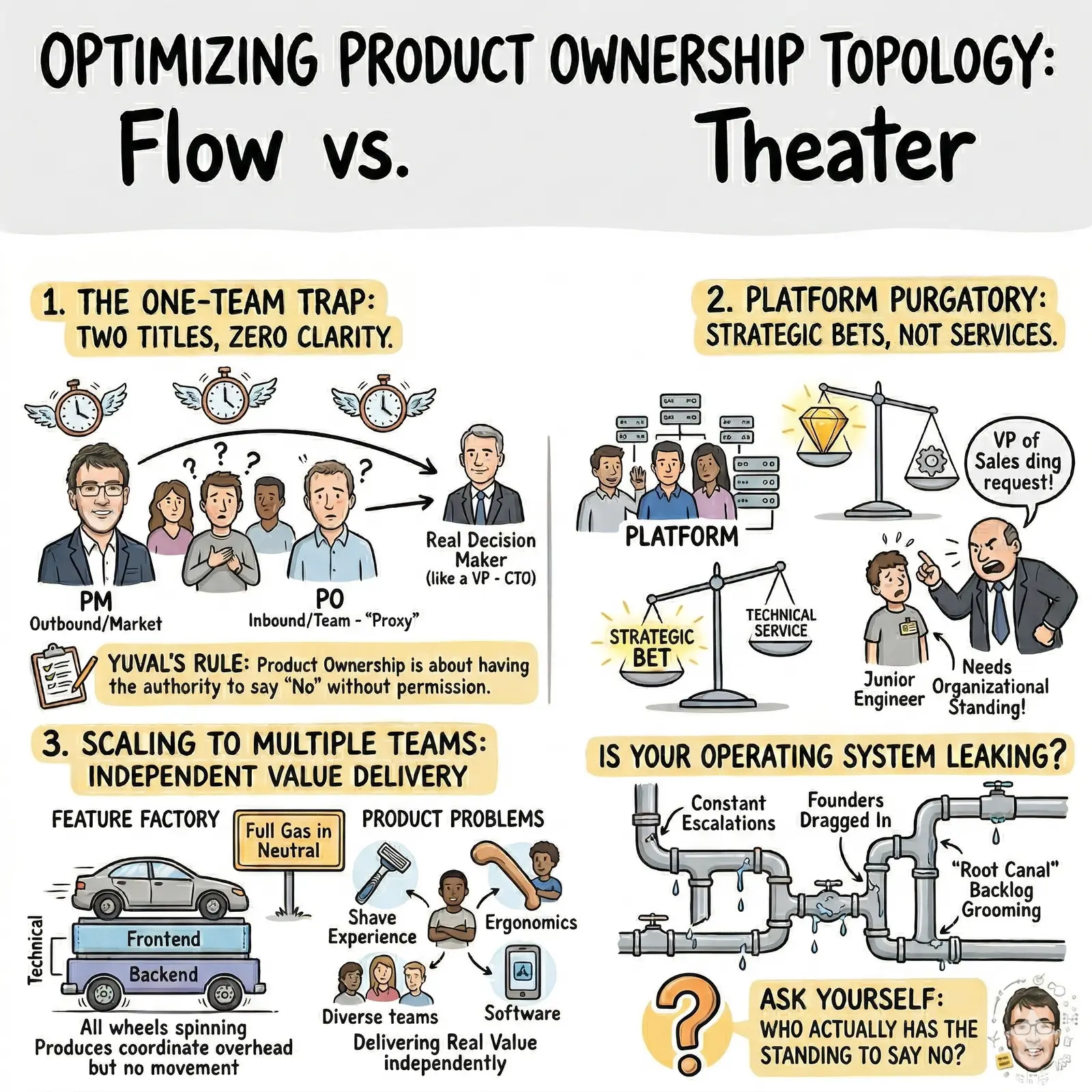
Product ownership is an accountability, not a job title. How I think about it for one team, for an inbound/outbound split, and for a platform team getting asks from five different products.
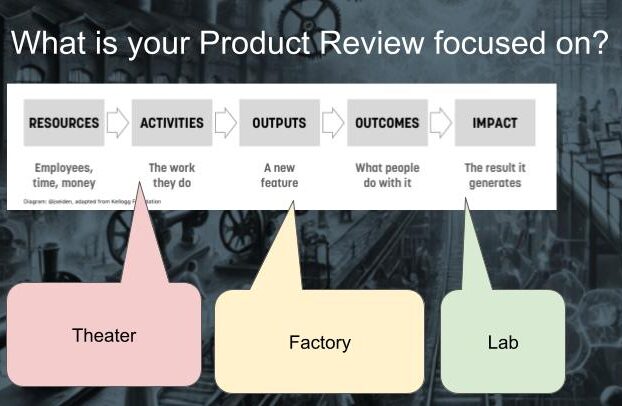
Show me your review sessions and I can tell you if you're a feature factory or a product lab. How to shift reviews from deliverables to outcomes and traction.
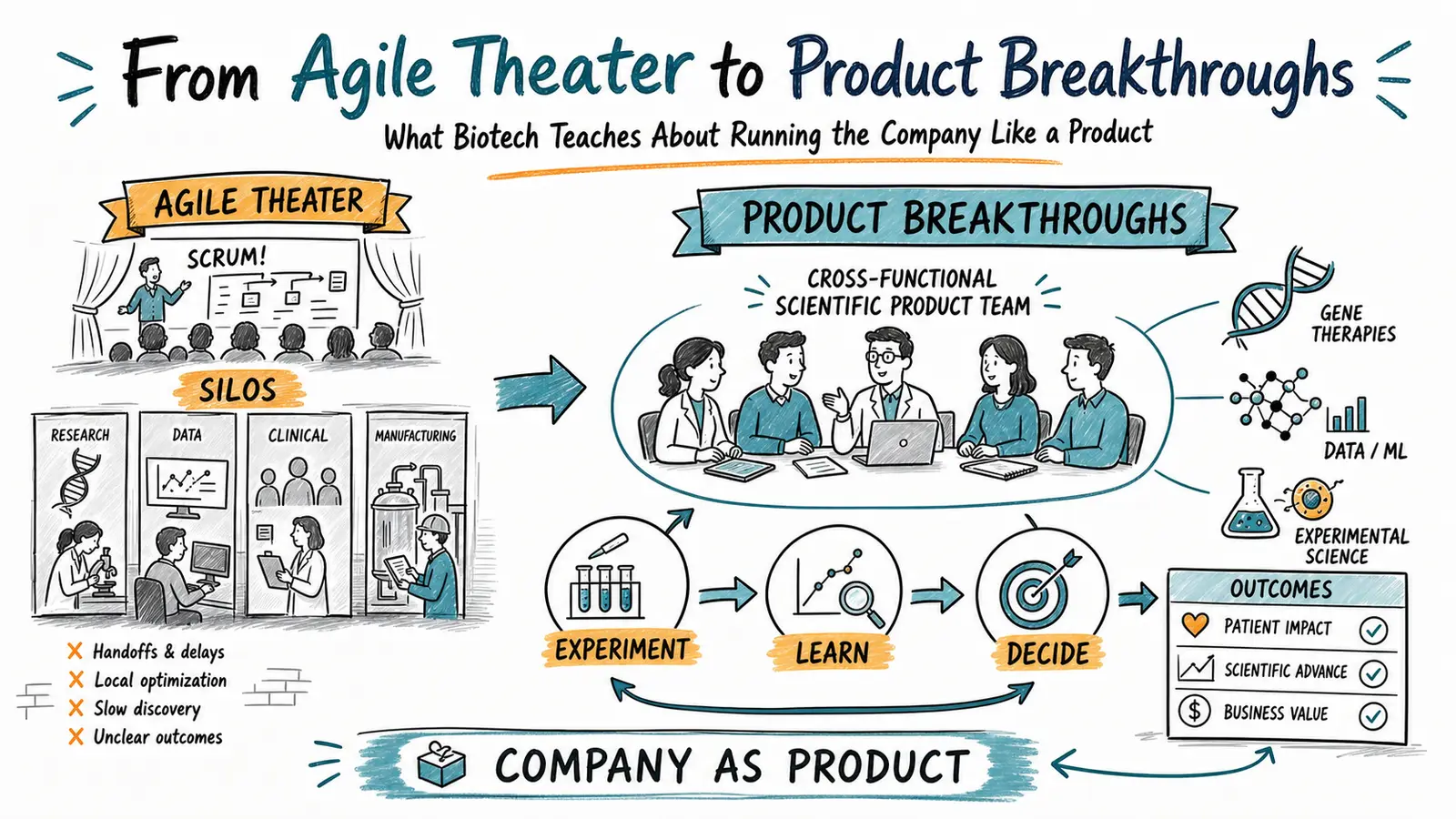
What biotech R&D teams get right about empiricism that software teams lose sight of, and what the cross-pollination looks like in practice.
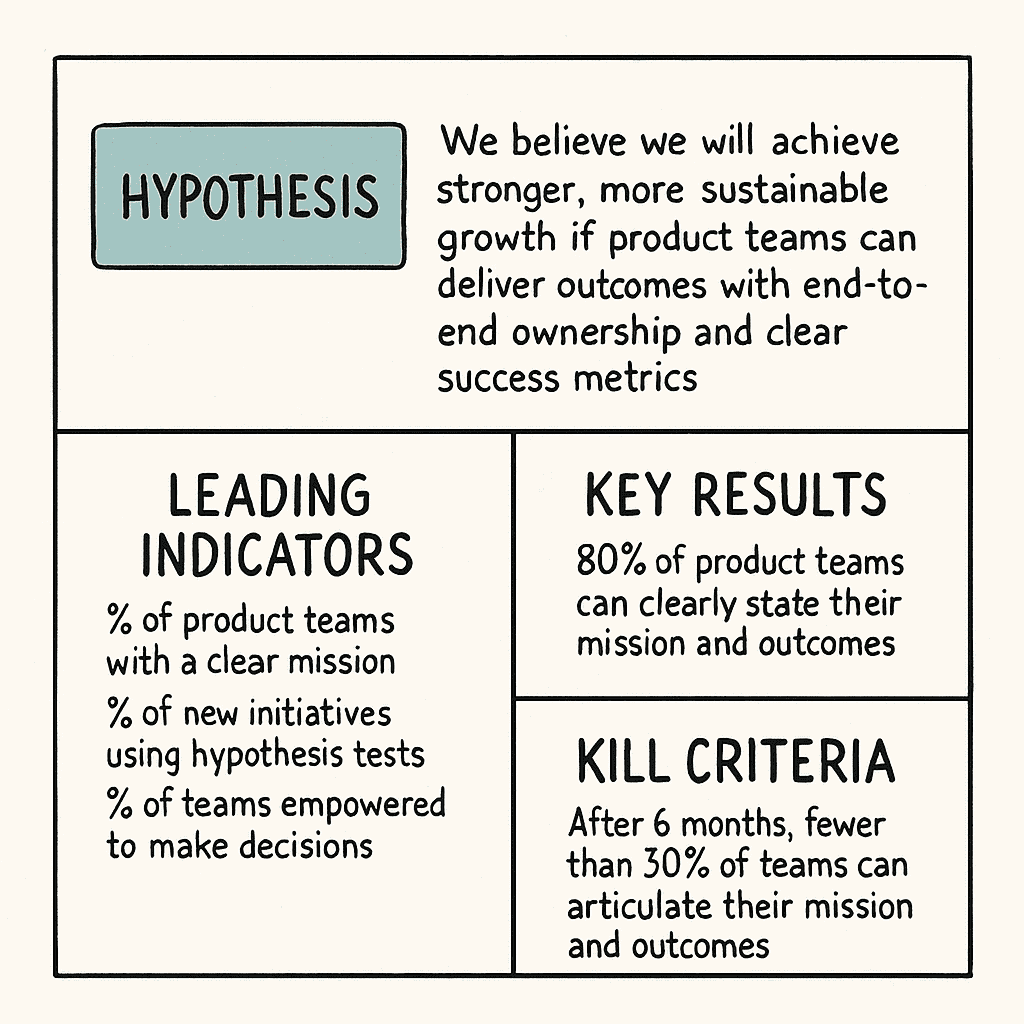
Selling a product transformation but managing it like a project (vanity metrics, no kill criteria, output measures) is exactly what you tell others to stop.
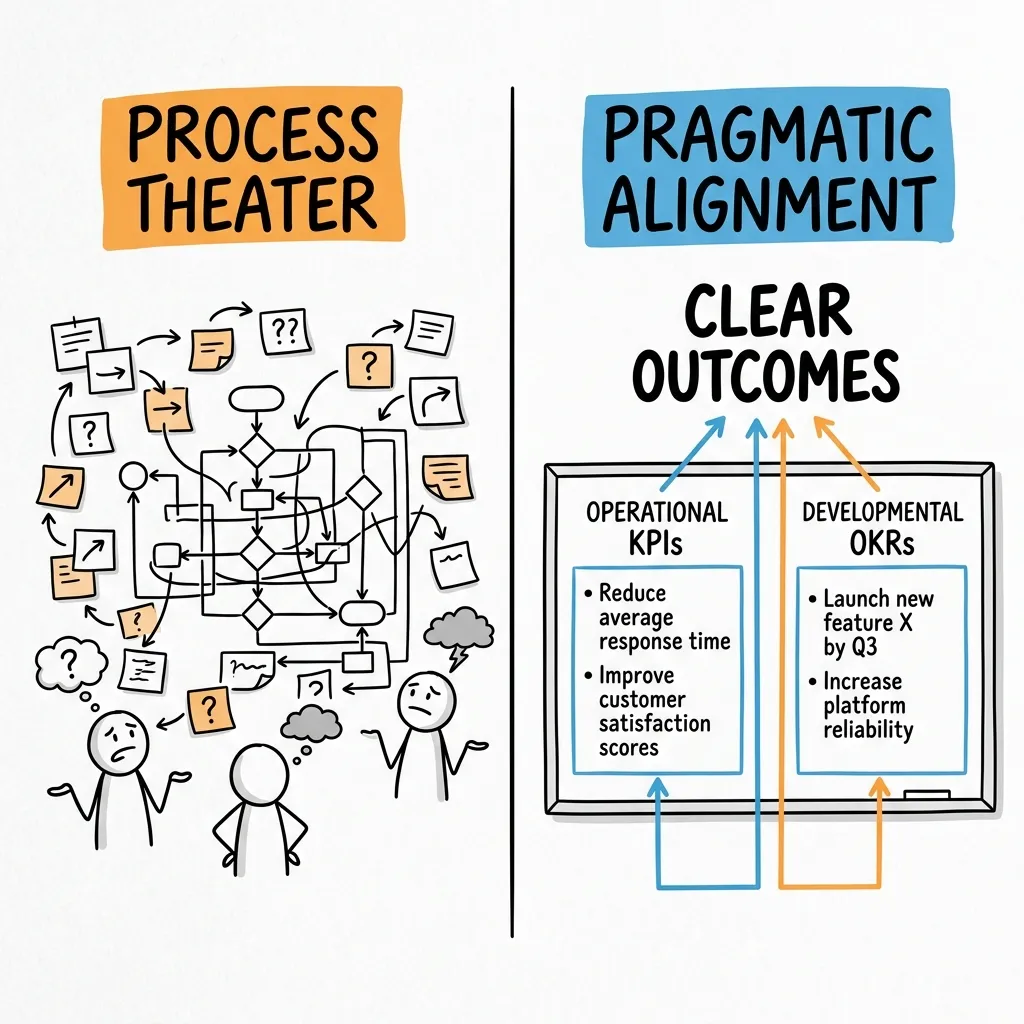
Quarterly big room OKR planning often gets dismissed as theater. A practical approach to align teams, surface dependencies, and set goals people believe.
Alice is ambitious, Bob has a real problem, Charlie has FOMO. Only one of them gets real value from a Product Operating Model. Here is why.
Feature factories are a milestone, not a destination. Why organizations get stuck shipping features, and what it takes to get to outcomes.
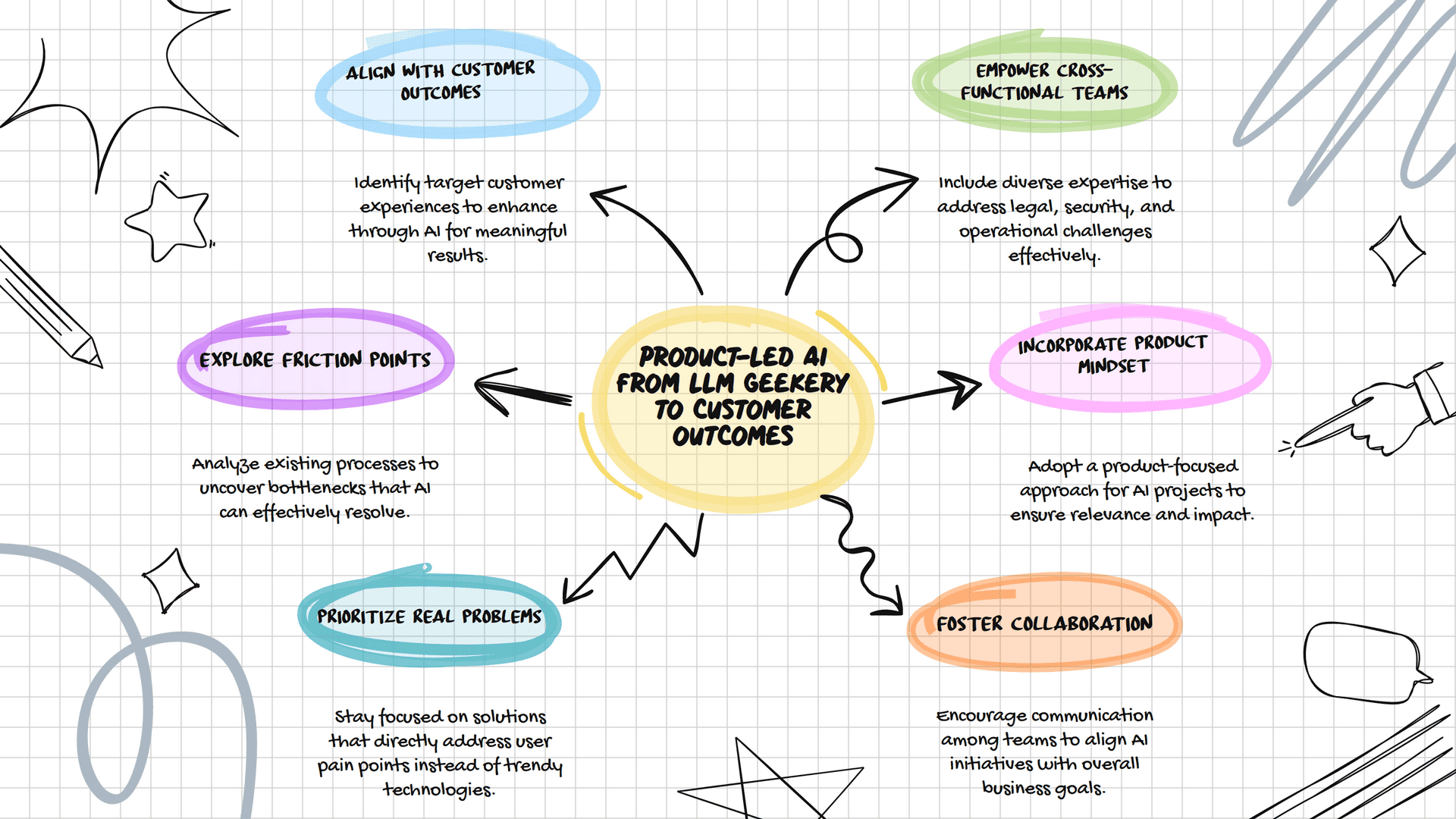
Every tech wave has a cart-before-the-horse phase. What product-led AI looks like instead: start with customer outcomes and explore problems before solutions.
SAFe evolving toward a product operating model: how the framework is adapting to empowered product teams, outcome focus, and the shift from project to product.
A low-cost diagnostic: what your team names reveal about product orientation maturity, and how naming patterns open a bigger operating model conversation.
Why scaling slows delivery down and how to flip the inverted coordination pyramid to organize around real product outcomes in the age of AI.
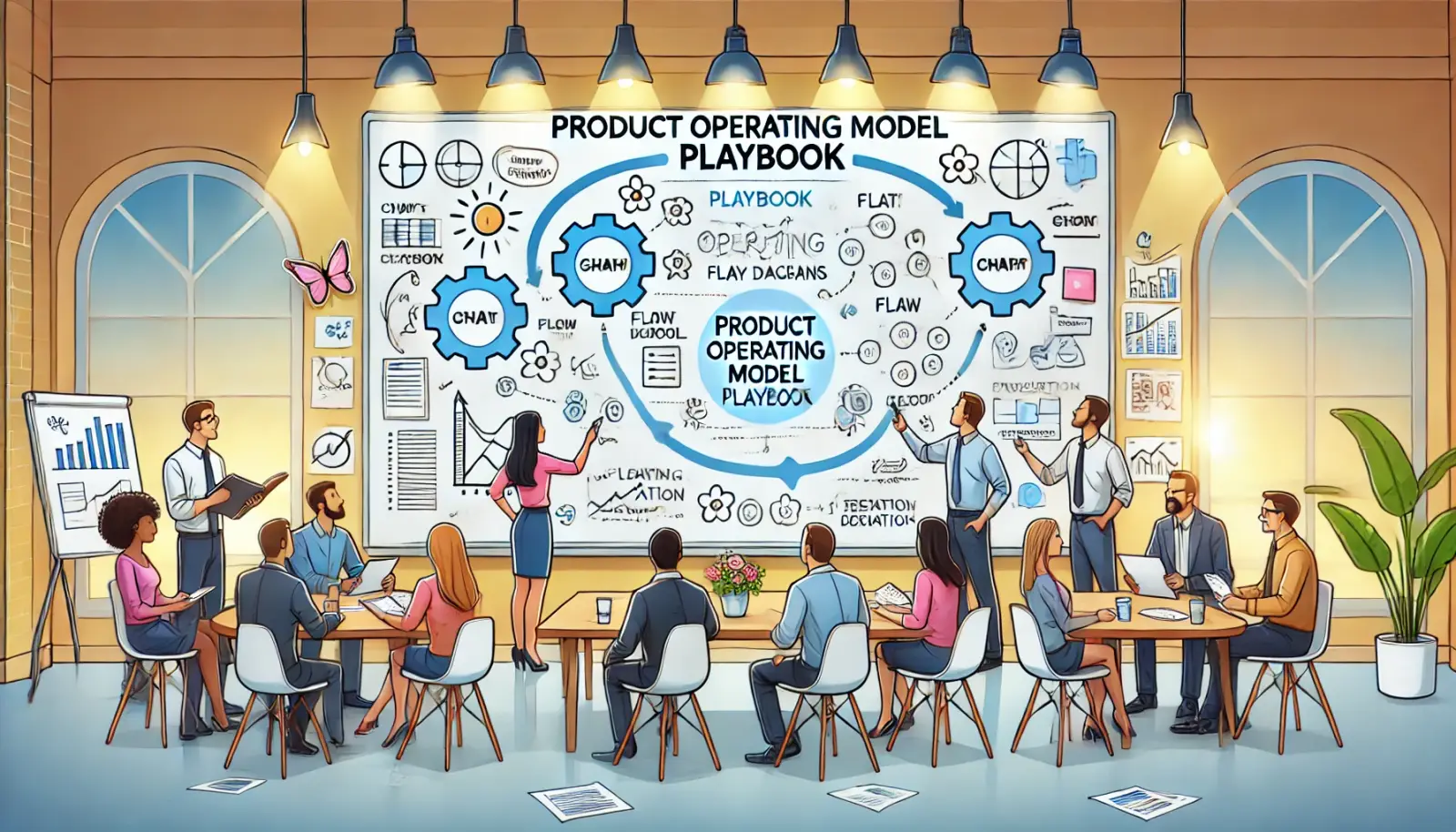
A practical implementation guide for building your Product Operating Model playbook, including collaborators, rollout approach, and iterative adoption.
Product-led vs service-led isn't one comparison: it's three. How the business models differ, and where PLG, product-led orgs, and operating models fit.
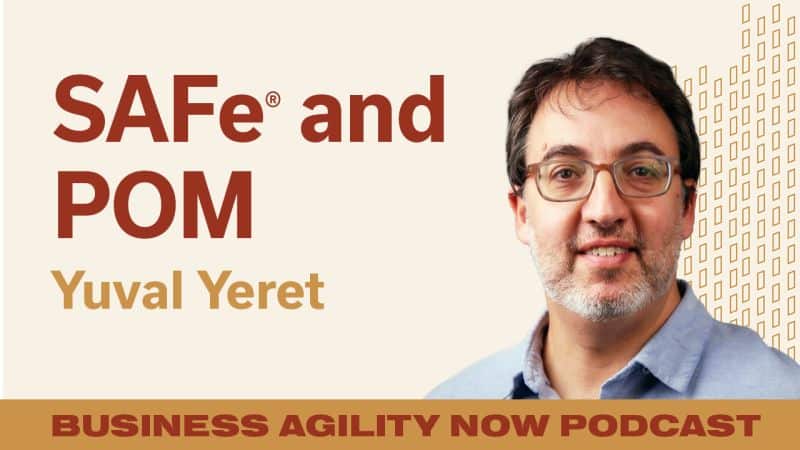
SAFe and the Product Operating Model are not in conflict. A podcast on empowered product teams, outcome-oriented PI Planning, and why incentives matter most.
The project-to-product shift starts with teams but only lands when the portfolio follows. A roadmap for making it happen at the funding and governance level.
When a stable product team is misaligned with strategic priorities: how to weigh flexibility, protect empowerment, and make the smallest structural change.
What to do when business initiatives pre-commit product teams to specific outputs before the portfolio can weigh in, and how to avoid rubber-stamping them.
Transformations run like projects fail the way projects fail in complex domains. How to run one with agility: iterative, evidence-based, outcome-focused.
Why cross-product initiatives fail under classic program management, and what changes when initiative owners carry real product ownership accountability.
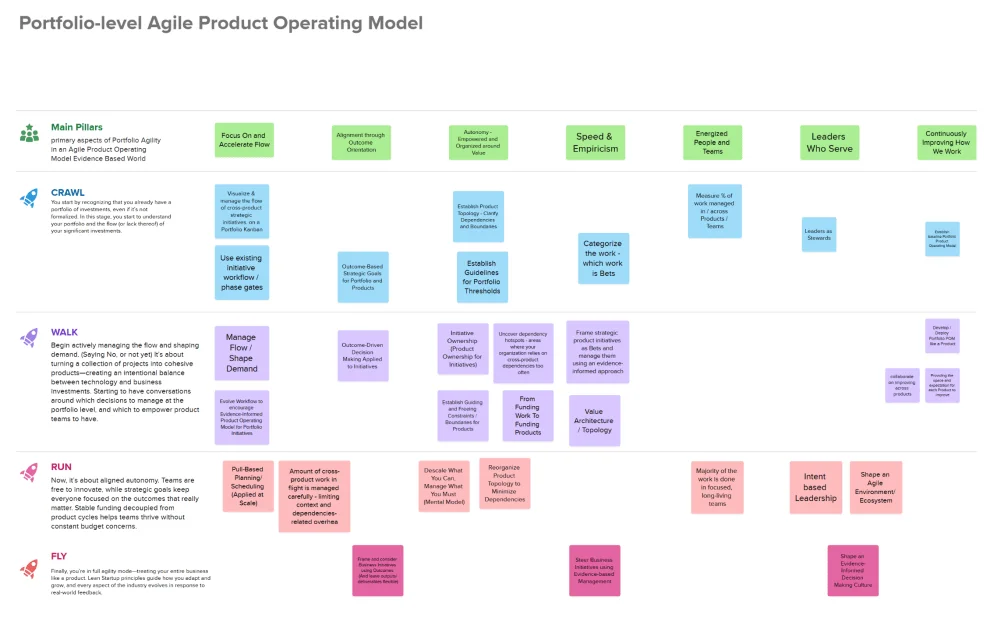
Single-team agility is table stakes. Portfolio-level practices (value stream management, lean budgeting, portfolio Kanban) are where the leverage hides.
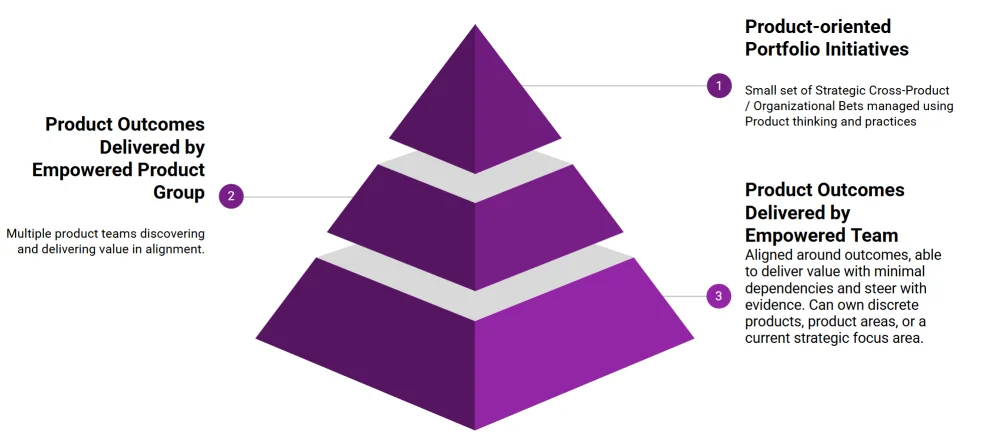
The biggest portfolio simplification move: organize around products instead of projects. How product-oriented portfolio management cuts complexity at scale.
The Product Operating Model talk is too focused on tech products. What happens when you apply product thinking to the business itself, not just the software.
Product Operations is the connective tissue of a scaled product org: tooling, processes, metrics, and the feedback loops that keep product teams effective.
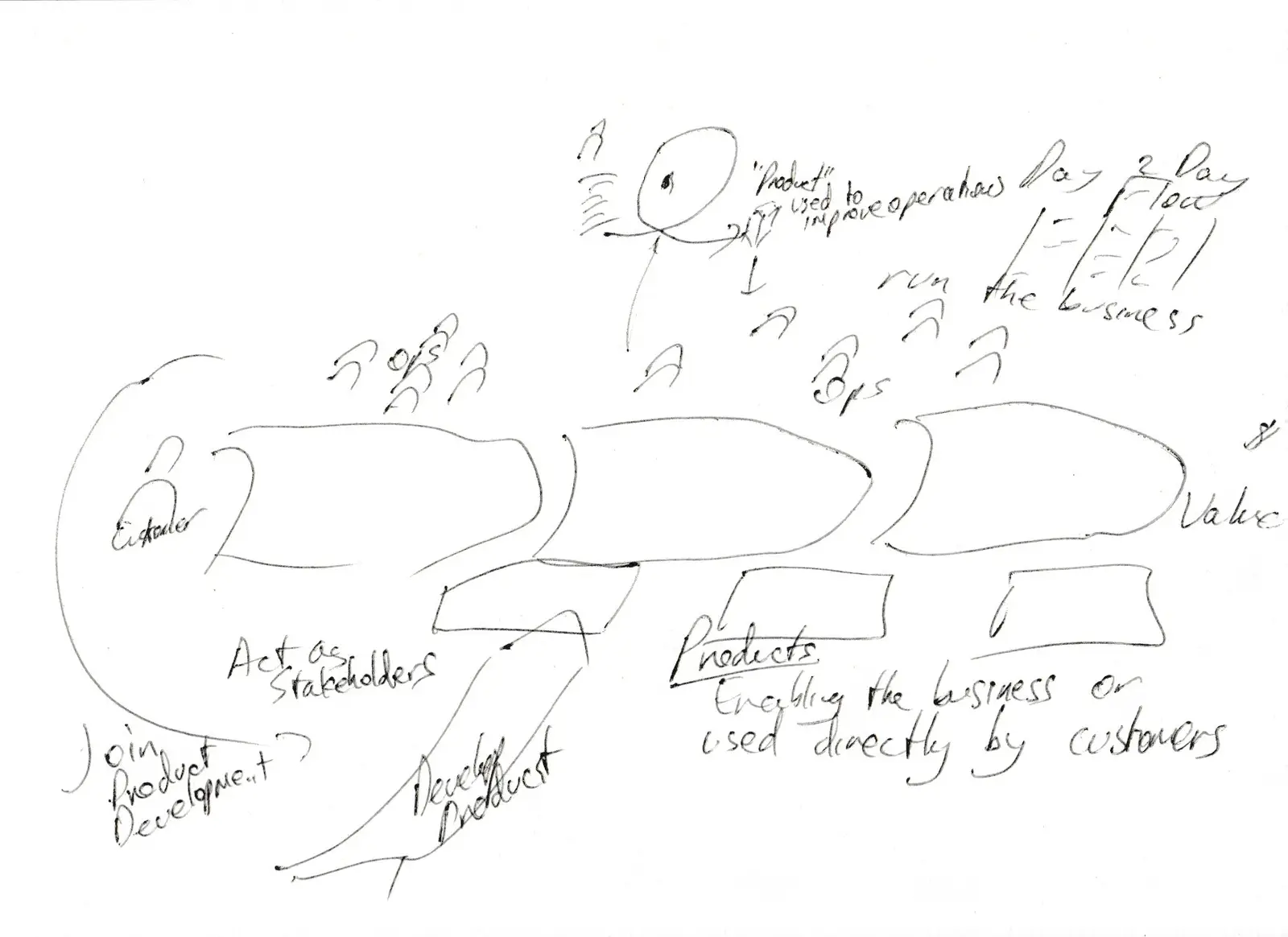
How to apply product operating model principles to shared services and business operations teams to improve handoffs, flow, and business readiness.
The names your teams use for Epics, Features, and Stories reveal whether you're in solution mode or outcome mode. Renaming is more than semantics.
They formed agile teams. They track stories in JIRA. They do three questions daily. And nothing meaningful changed. Agile theater, not product work.
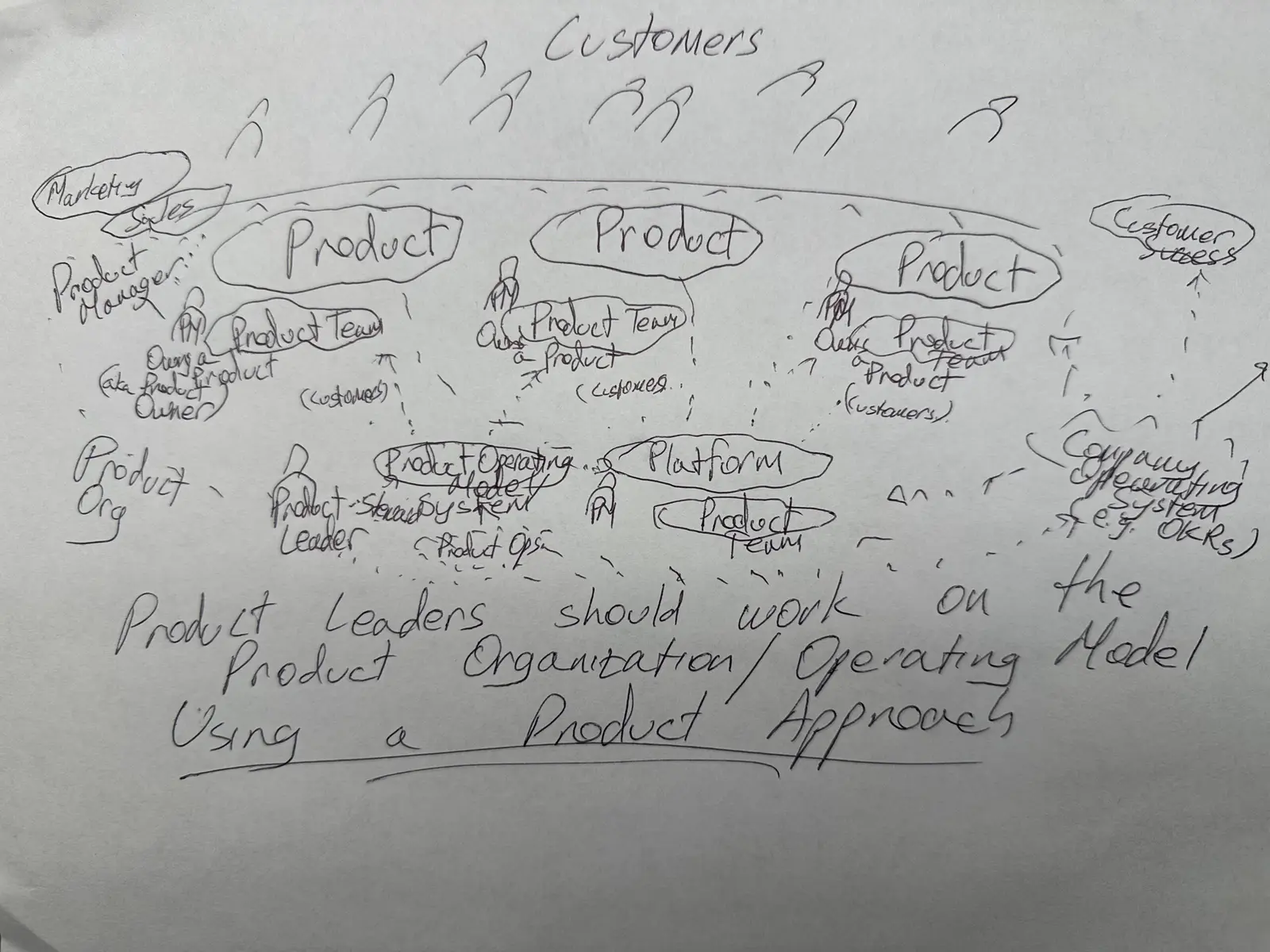
How product leaders can use product thinking on the product organization itself, with experiments, minimum viable changes, and evidence-based adaptation.
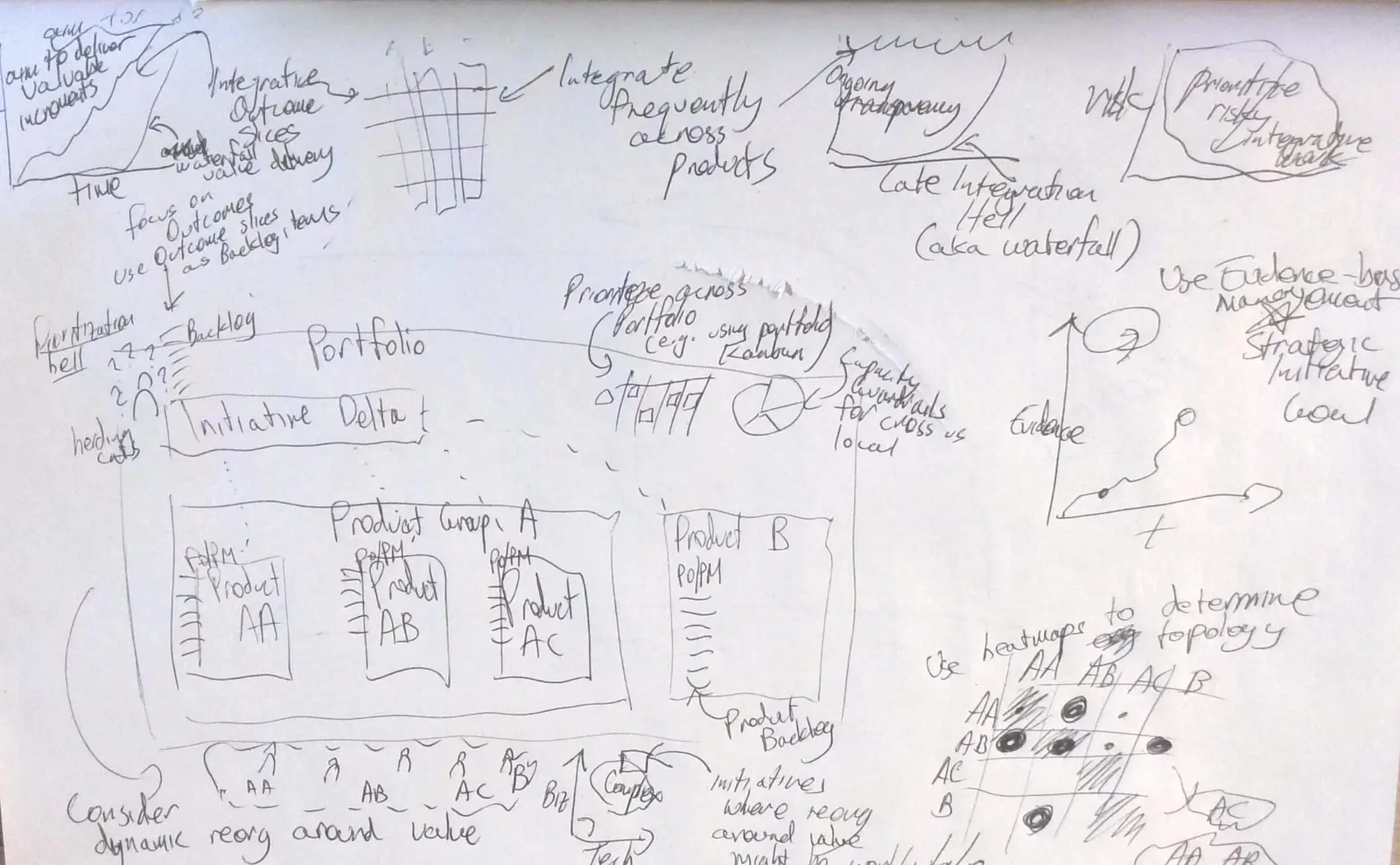
Projects get treated as second-class in a product operating model until a cross-product initiative shows up. How to run them without reverting to waterfall.