· Yuval Yeret
· Agentic Development Lifecycle
AI in software: Scaling from activity to impact
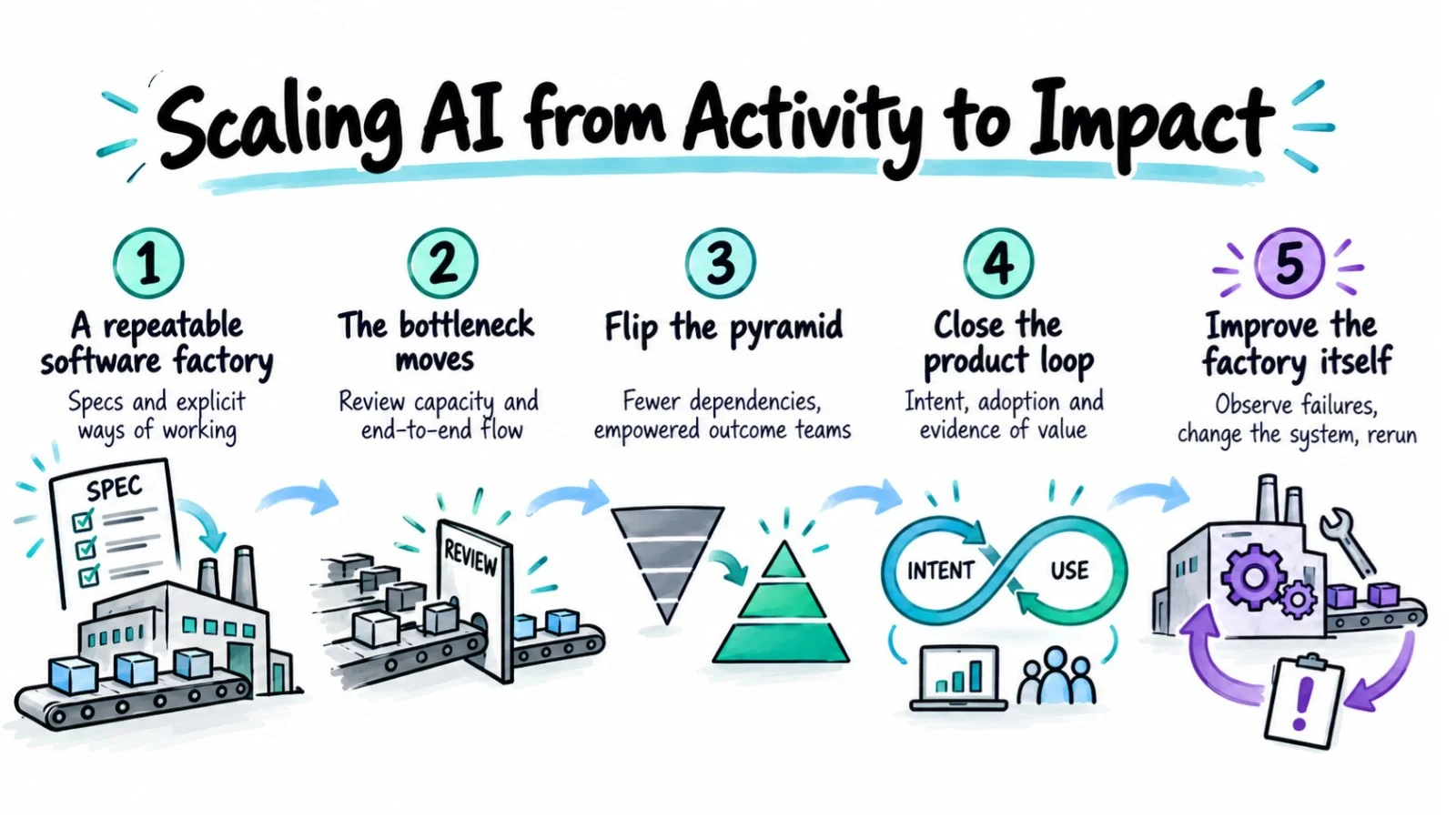
Turning AI capability into impact takes work at three levels: the product, the software factory, and the company around them.
Turning AI capability into impact takes work at three levels: the product, the software factory, and the company around them.
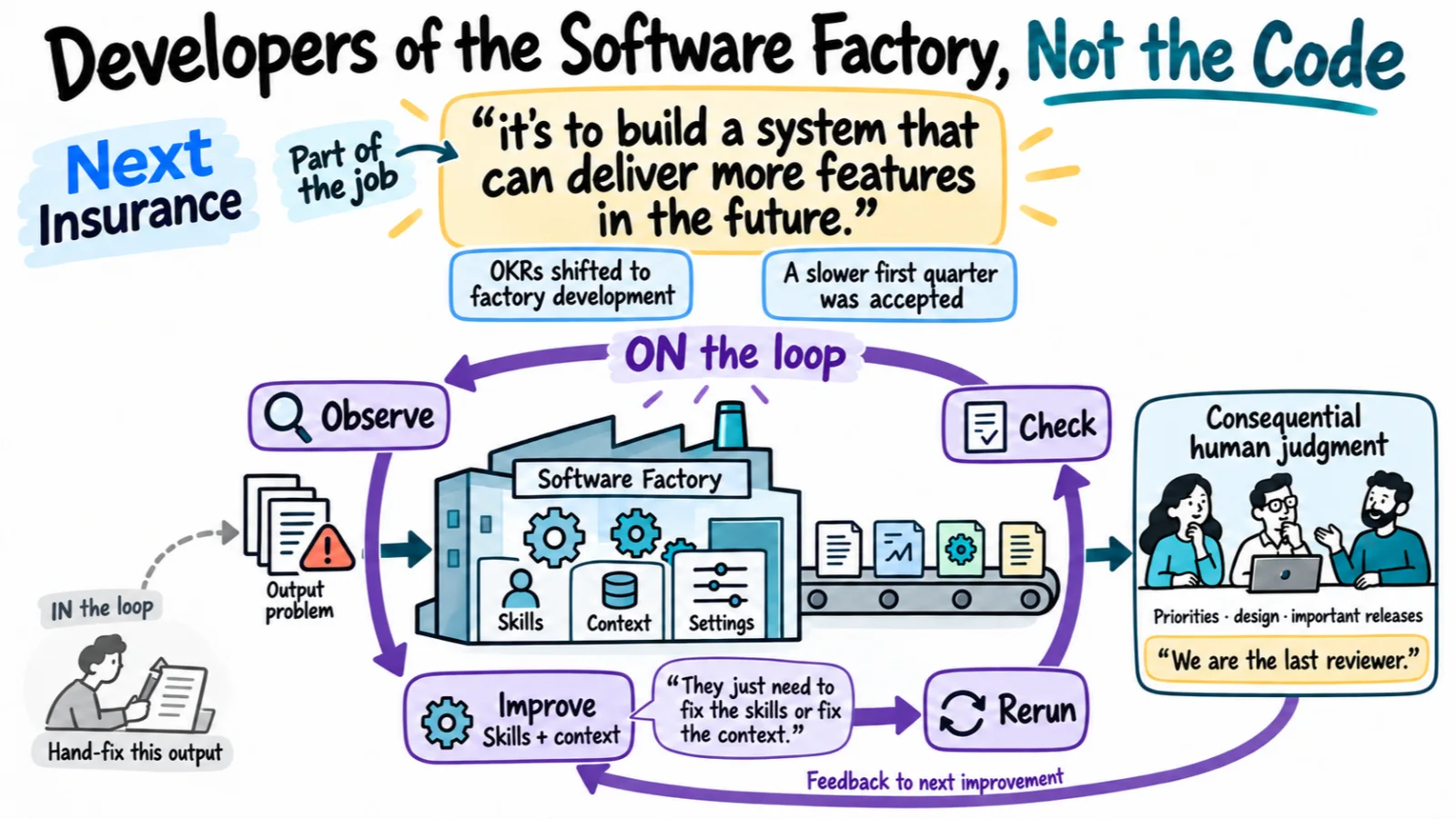
Babysitting agents leaves little room for the troubleshooting that engineers enjoy. The harder challenge is developing a system that needs less babysitting.
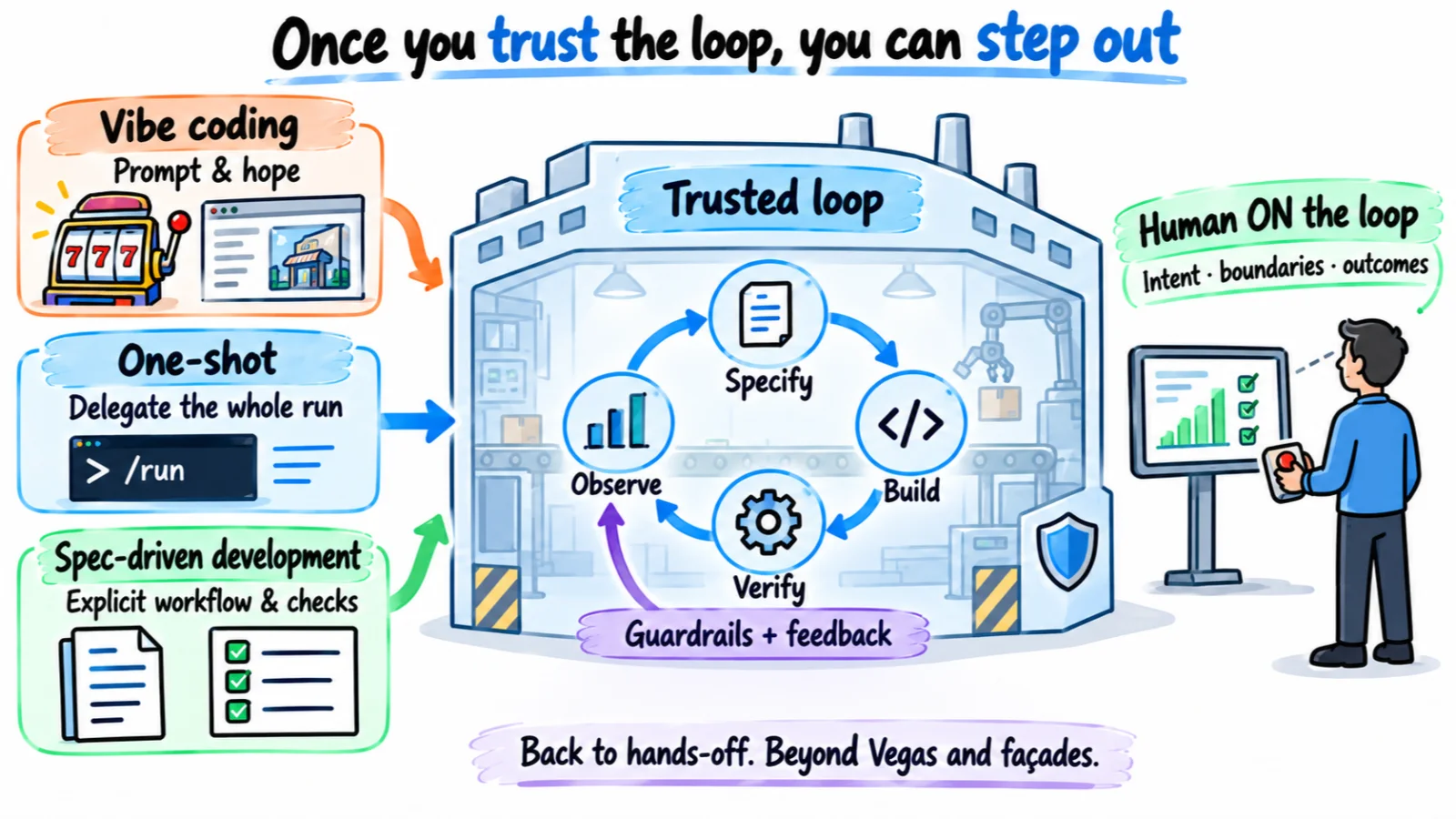
Vibe coding can come full circle through a trusted engineering loop. Then the challenge expands: useful product outcomes, improving the factory, and helping the company work better.
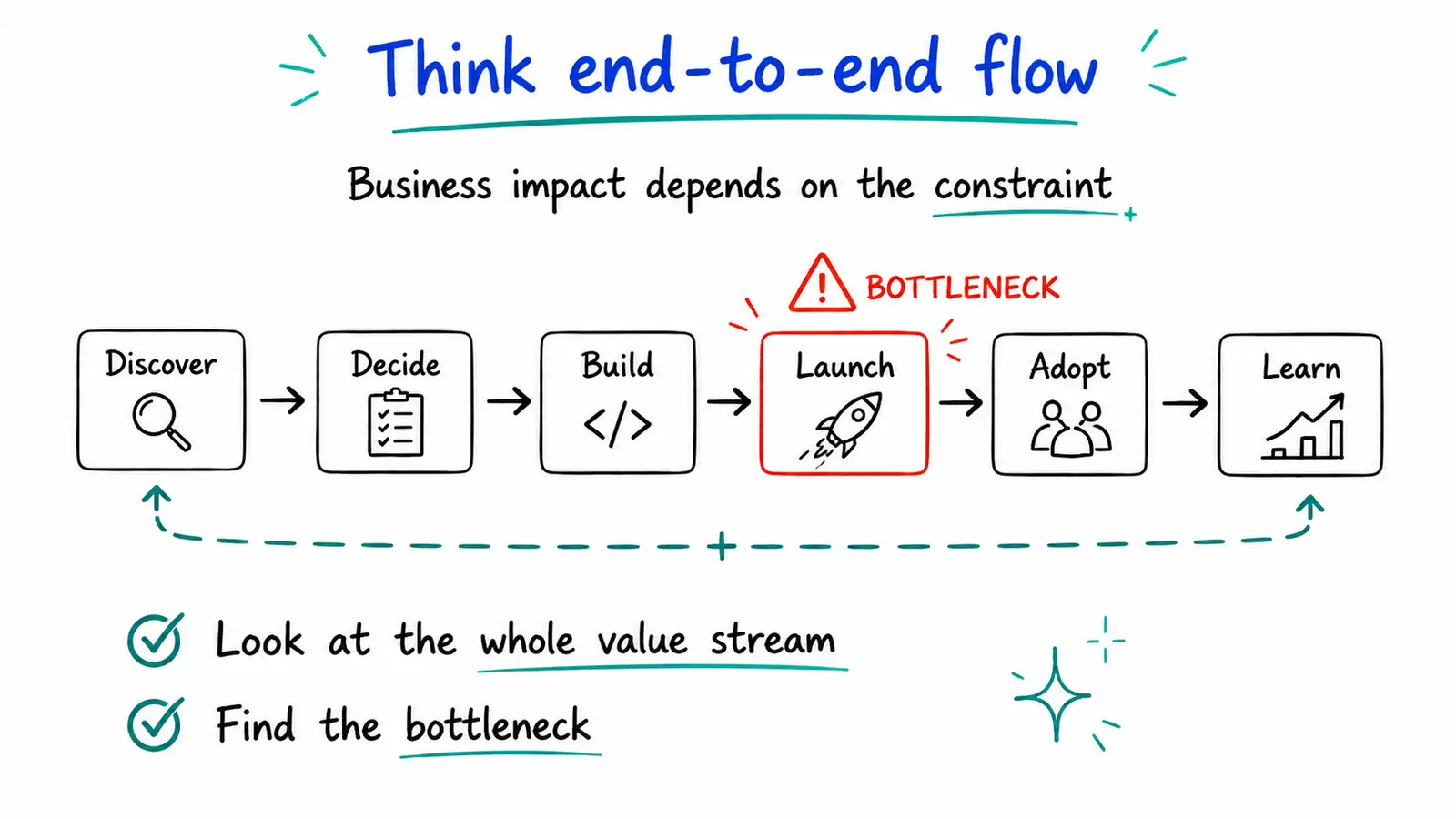
AI agents make it remarkably easy to start and generate work. Here is how I would use WIP, work item age, cycle time, and throughput when code review and customer learning cannot keep up.
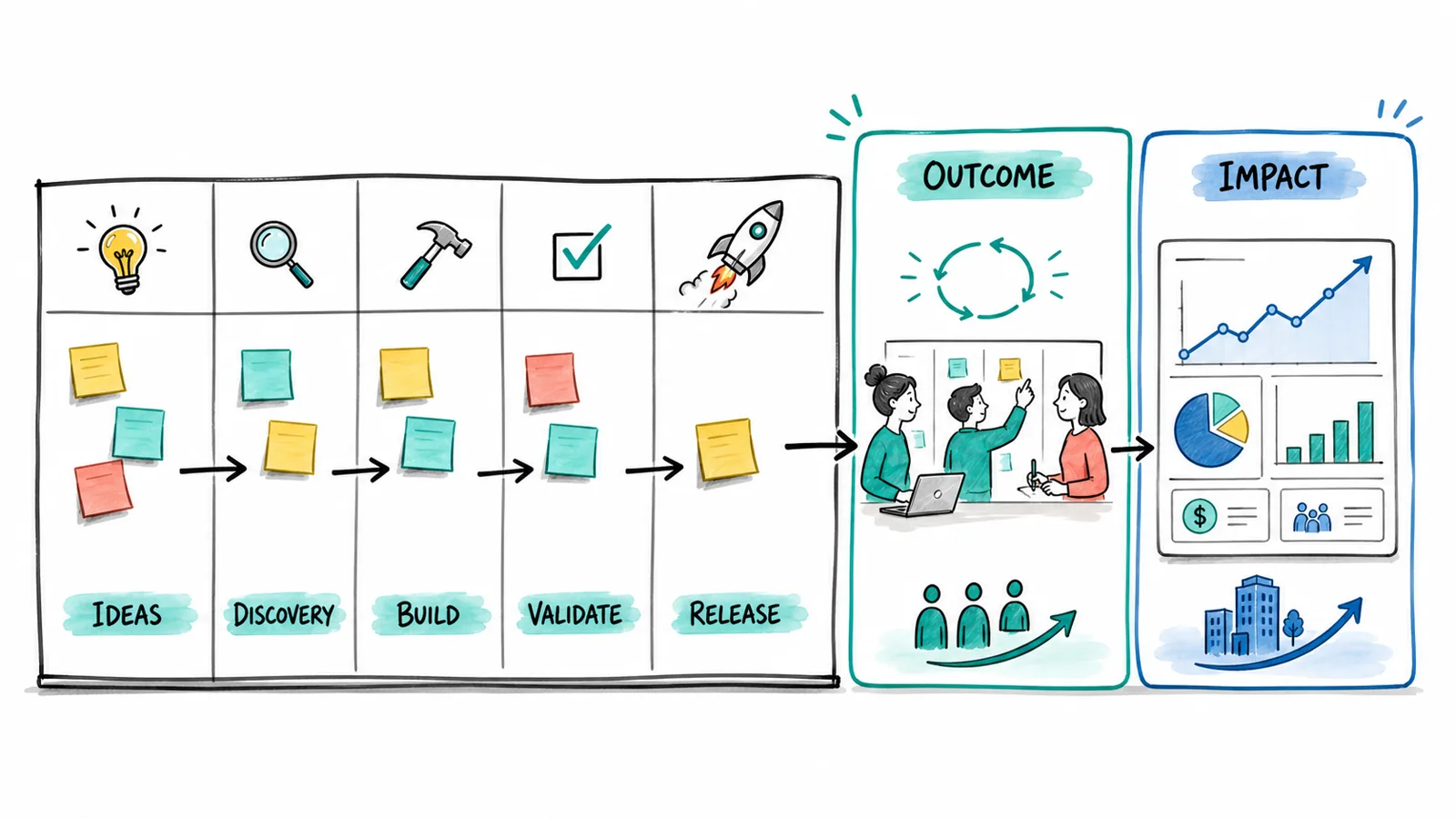
Does your board stop at deliverable and output, or does it go towards outcome: the changed behavior for somebody? Most boards stop at deployed, and that is what teaches people deployment is success.
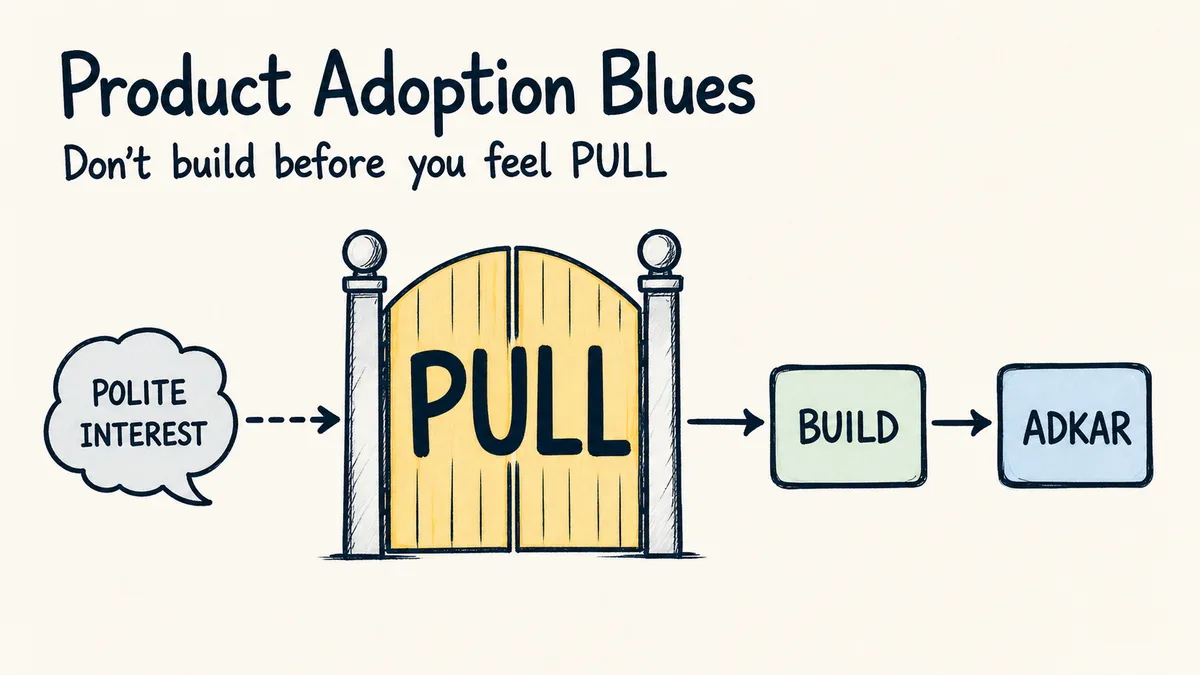
A mandated AI tool gets token adoption: people use it, do a demo, and go through the motions. Treat the change as a product, find the people with an unavoidable project, and check activation and churn before you roll it out to everybody.