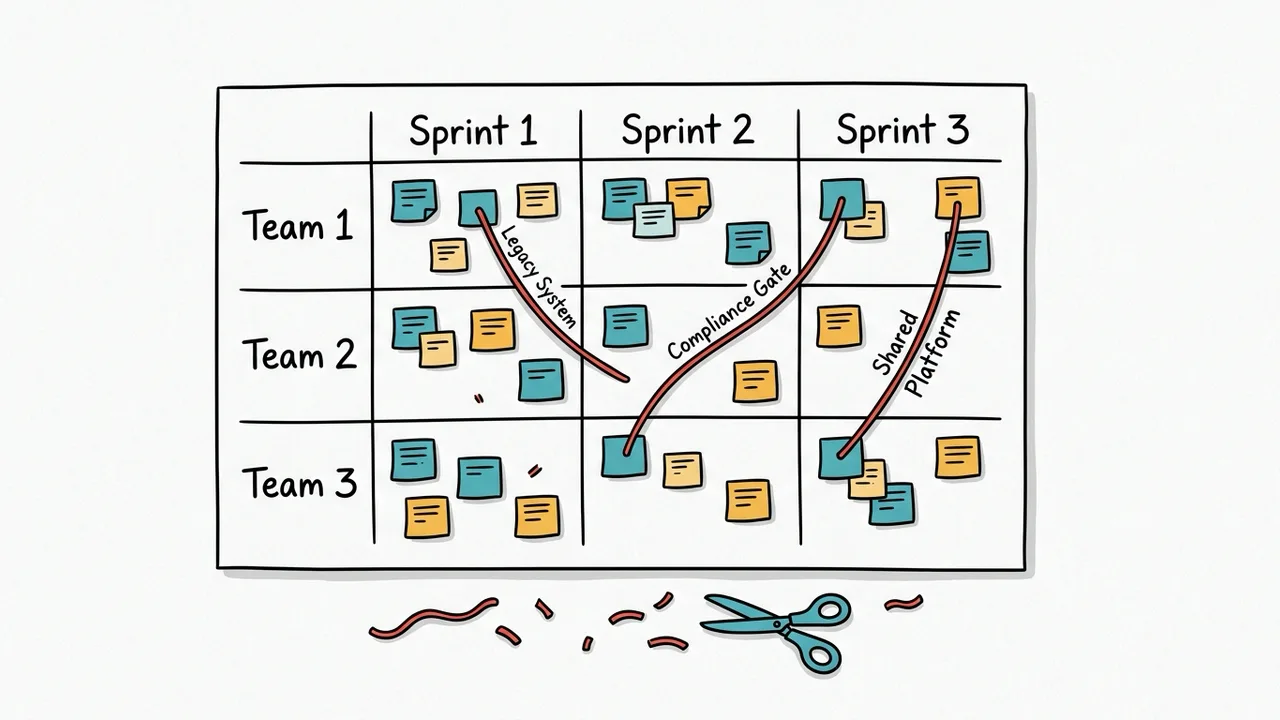
How to Customize Your SAFe for the AI Age
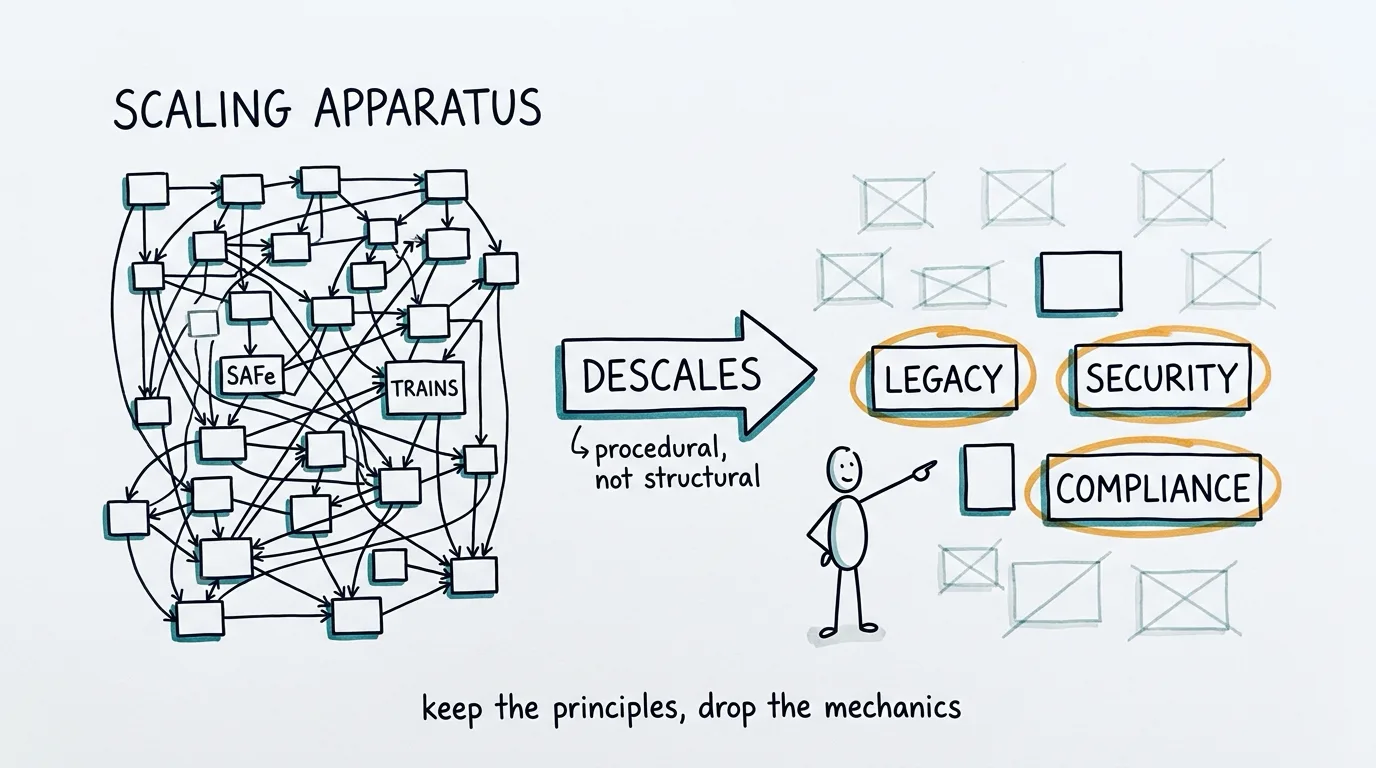
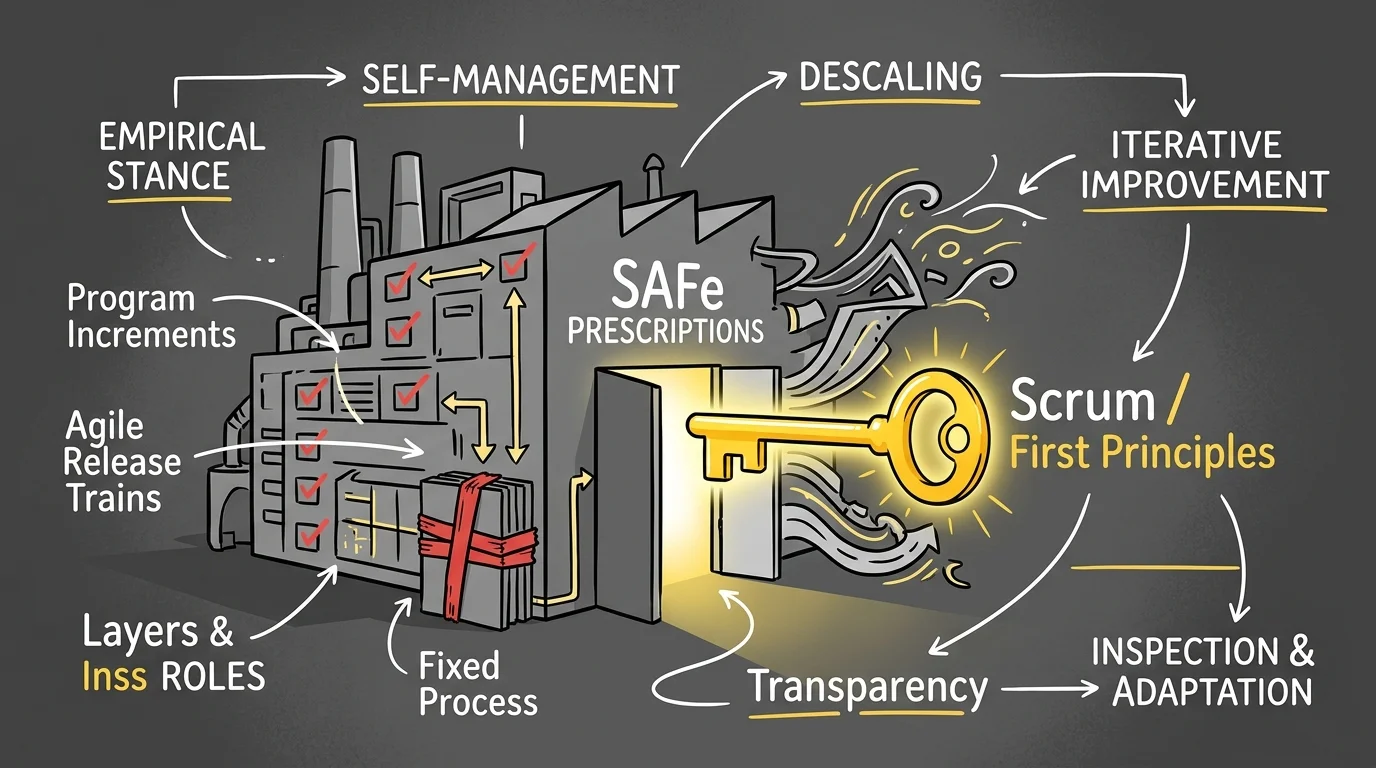
Most of your scaling apparatus is now optional. Your first principles are not. A companion for leaders running SAFe while adopting AI-native, spec-driven development, and trying to tell the difference.
Insights Topic
SAFe is not a compliance checklist. Connect scaled structures to flow principles and actual business outcomes.
On this page:
SAFe implementations frequently devolve into heavy, top-down bureaucracy. Below, I outline how to keep the framework focused on systems thinking, flow economics, and actual business outcomes.
Start here · Cornerstone read
Most of your scaling apparatus is now optional. Your first principles are not. How to customize SAFe for AI-native, spec-driven development and continuous descaling.
Read the full articleA successful SAFe implementation shifts the focus away from framework checkpoints and ceremony compliance. Instead, the emphasis must be on end-to-end flow metrics: velocity, load, time, efficiency, and distribution.
By exposing where work queues up across Agile Release Trains (ARTs), leaders can identify real bottlenecks. This visibility allows teams to solve actual systemic constraints rather than just optimizing local sprint velocities.
A significant portion of SAFe criticism is entirely valid, but it is usually directed at poor, bureaucratic implementations rather than the core principles. When SAFe becomes a rigid rulebook, it fails to deliver agility.
Keeping the framework effective requires shifting the role of the SAFe Practice Consultant (SPC). Rather than acting as framework administrators and certificate coordinators, SPCs need to operate as organizational design coaches and flow leaders.
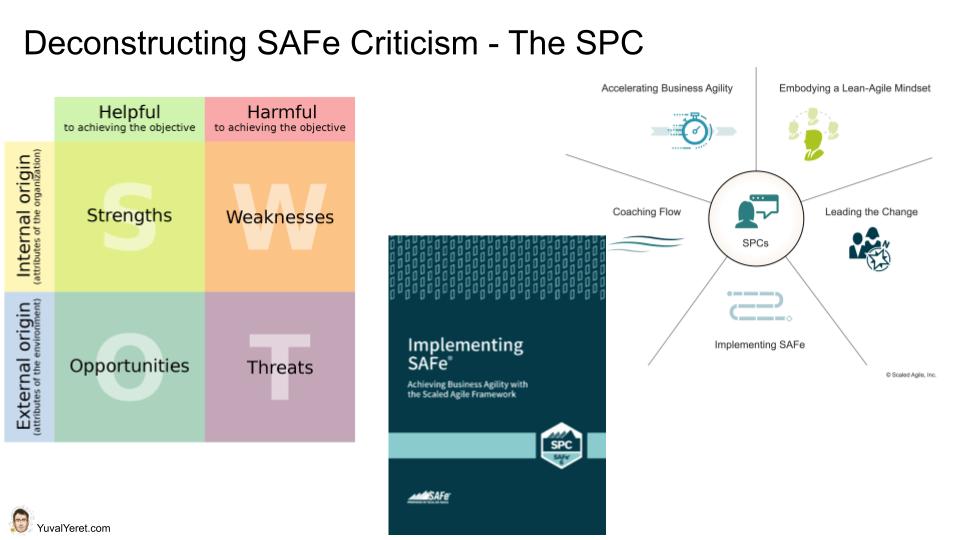 SAFe Criticism, Deconstructed: The SPC Role
 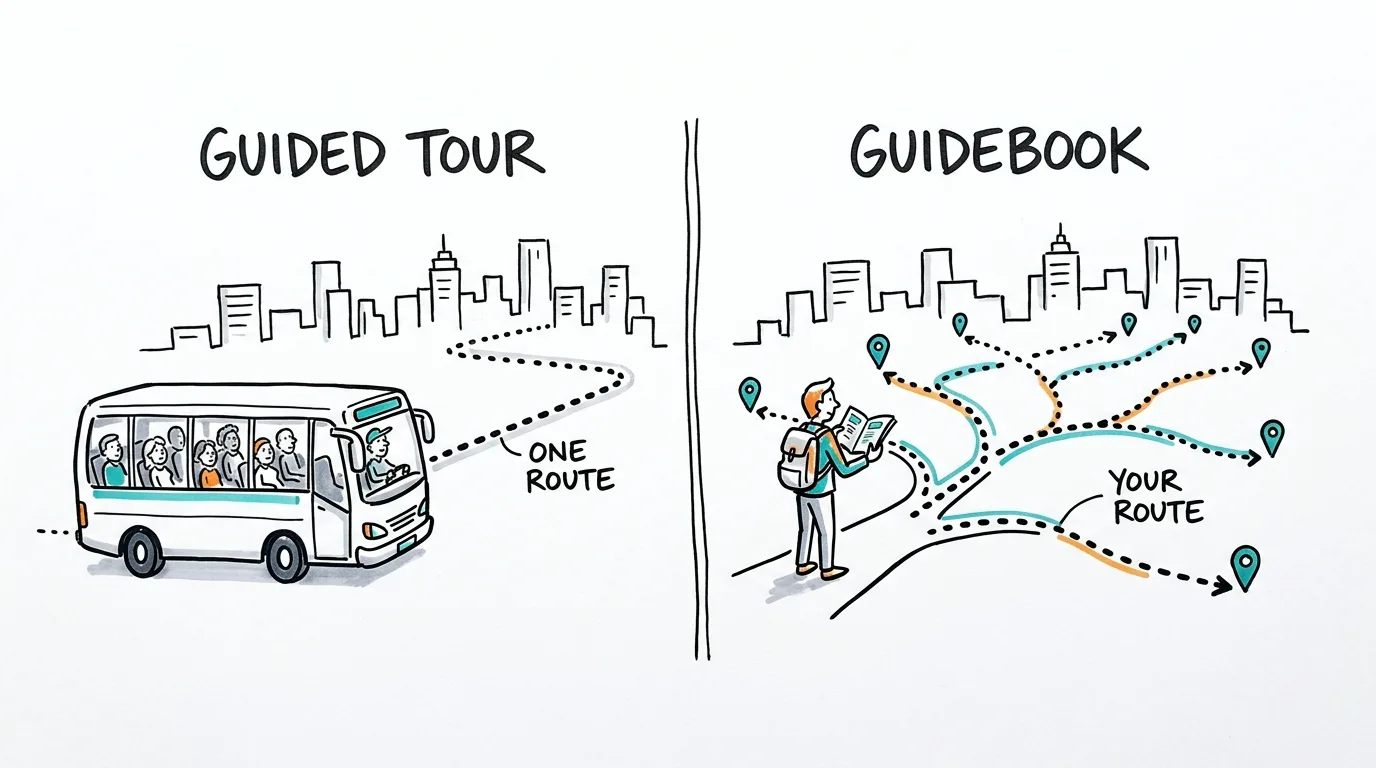 Sometimes it's safer to take a guided tour rather than explore on your own using a tour book
 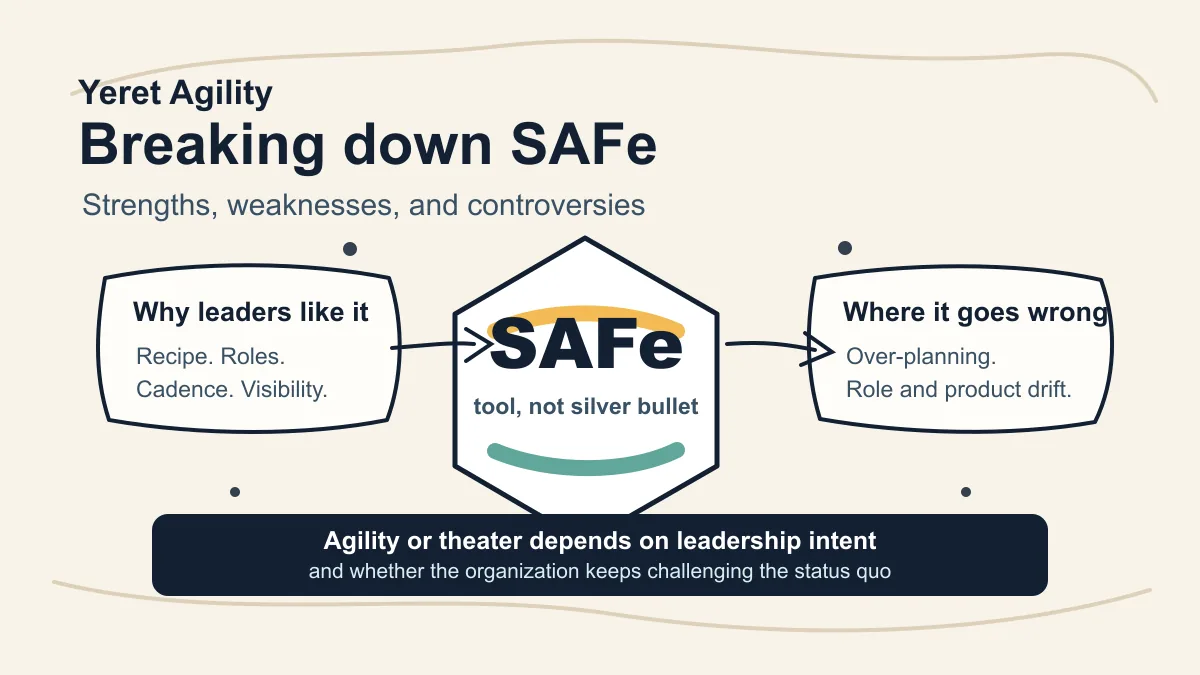 Deconstructing SAFe's Intent, Design Choices, Strengths, Weaknesses and Controversies
 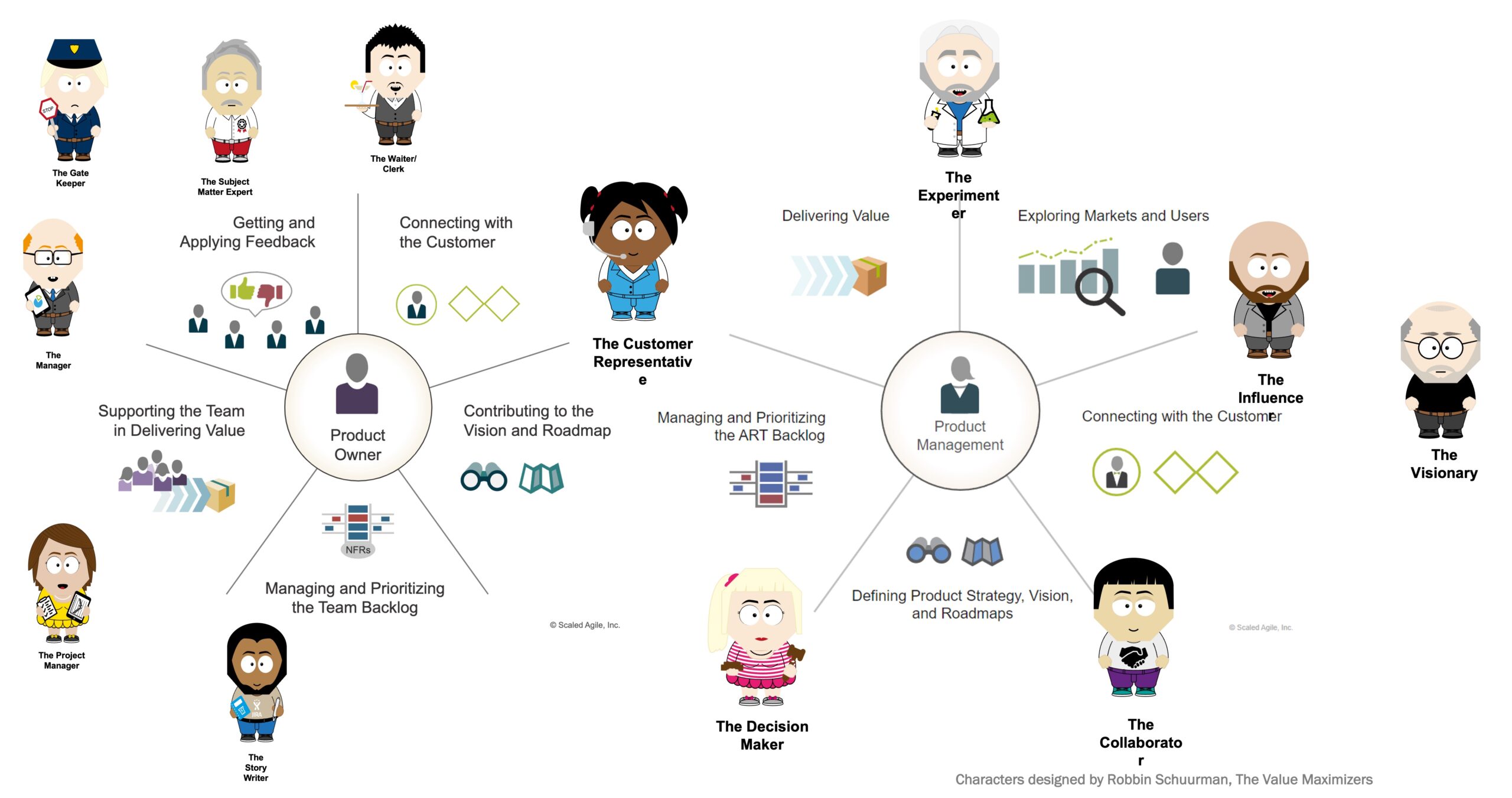 SAFe Product Owner vs Product Manager
 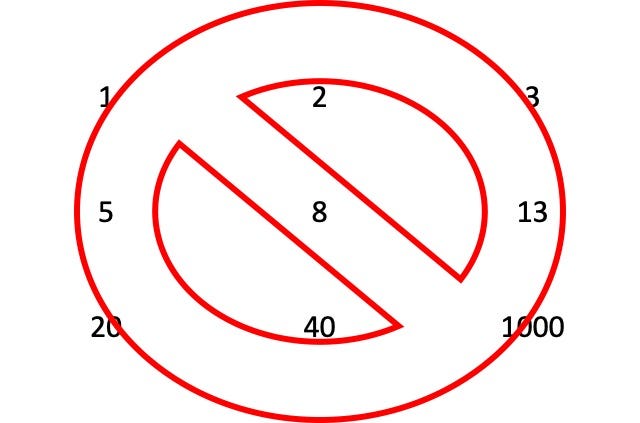 Forecasting in SAFe Without Story Point Theater
 It can be if implemented as a rigid compliance checklist. However, if you focus on the underlying principles (like decentralized decision rights and flow economics) SAFe provides a structured way to align scale with speed.
Use OKRs to define strategic themes and value stream objectives. Avoid writing OKRs as feature lists; keep KRs focused on business outcomes, and steer execution through lightweight portfolio Kanban systems.
Insights Database
Browse the complete archive of articles and case studies related to safe done right.
Most of your scaling apparatus is now optional. Your first principles are not. A companion for leaders running SAFe while adopting AI-native, spec-driven development, and trying to tell the difference.
An AI coaching prompt from my "Product Orientation Through LPM" talk: pressure-test one real initiative, find the real gap, and get one experiment to run.
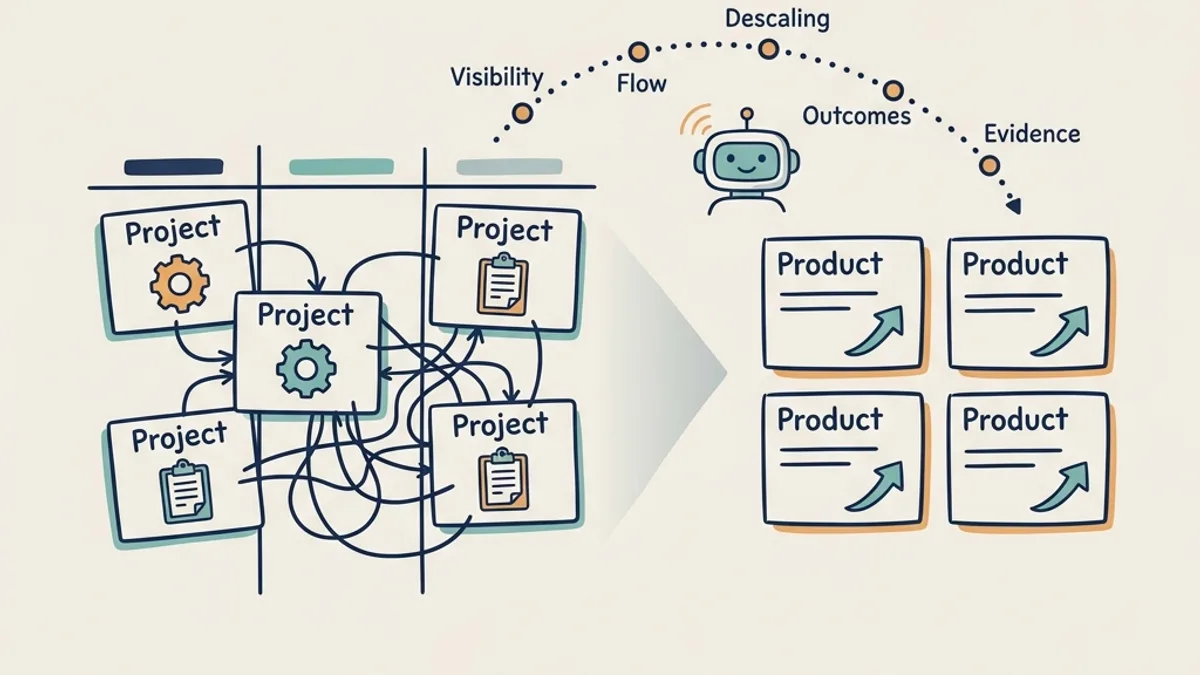
The flattening pitch assumes your teams can deliver an outcome alone. Most cannot. Agents make them faster, not necessarily independent. Here is how agents CAN help you accelerate the descaling process
How ARAS Software scaled from startup to 60+ engineers with SAFe, then moved past it when rigid PI Planning started dragging on throughput and innovation.
Is SAFe good? Is SAFe agile? As a SAFe Fellow and Professional Scrum Trainer, I break down SAFe's real strengths, weaknesses, and controversies using my own words from the Breaking the SAFe series.
Strategic themes gathering dust like New Year's resolutions? Use the same outcome-oriented, empirical patterns from team level to break strategy theater.
SAFe evolving toward a product operating model: how the framework is adapting to empowered product teams, outcome focus, and the shift from project to product.
SAFe and the Product Operating Model are not in conflict. A podcast on empowered product teams, outcome-oriented PI Planning, and why incentives matter most.
Practical criteria for designing Agile Release Trains: group teams around value streams, localize dependencies, and avoid ARTs that mirror your org chart.
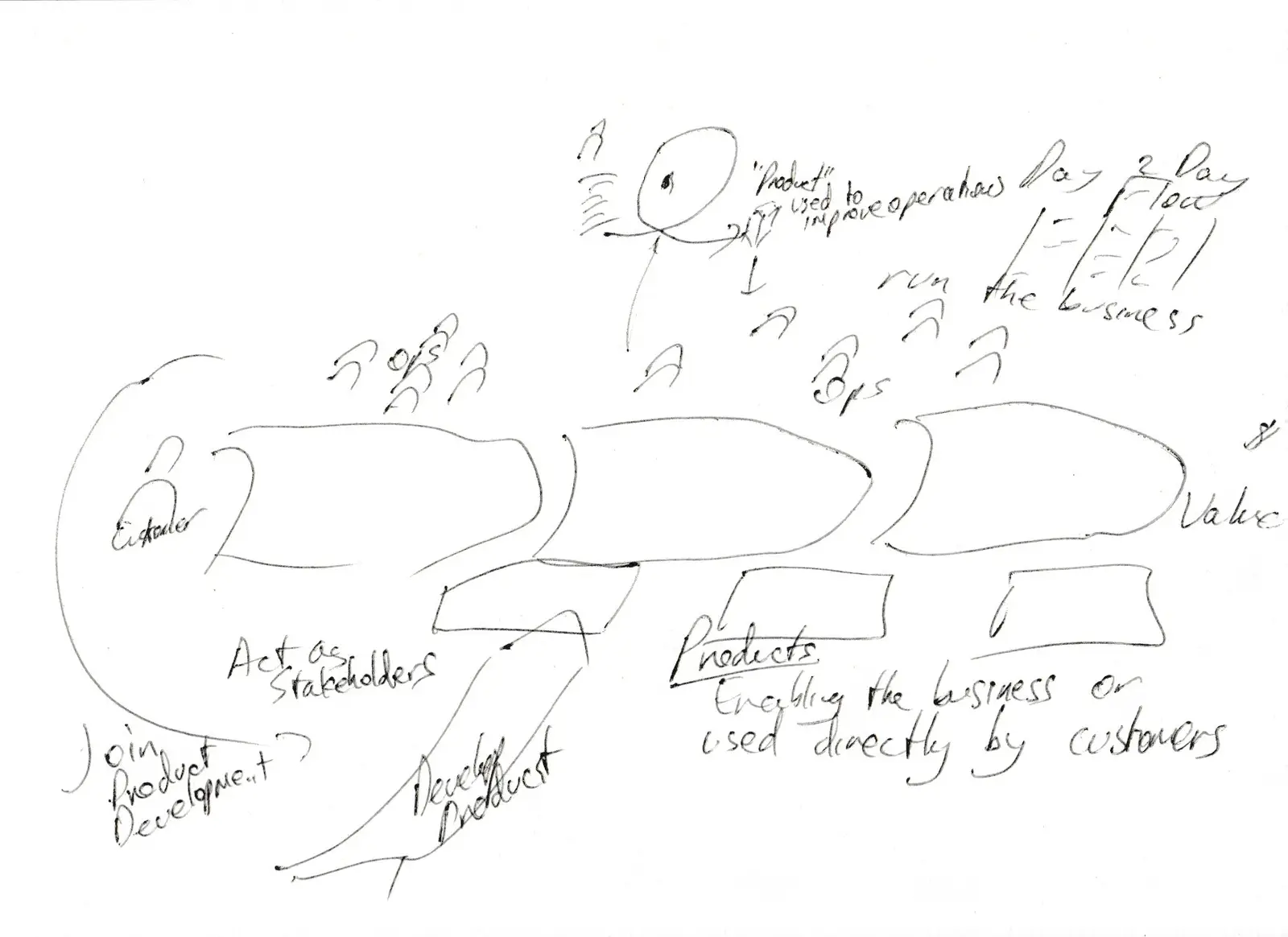
How to apply product operating model principles to shared services and business operations teams to improve handoffs, flow, and business readiness.
Season 1 of Breaking the SAFe: where SAFe helps, where it goes sideways, and how to course-correct before the framework becomes theater.

Lean Portfolio Management and OKRs together: how strategic objectives connect to portfolio investment decisions, and what makes OKRs useful at that level.
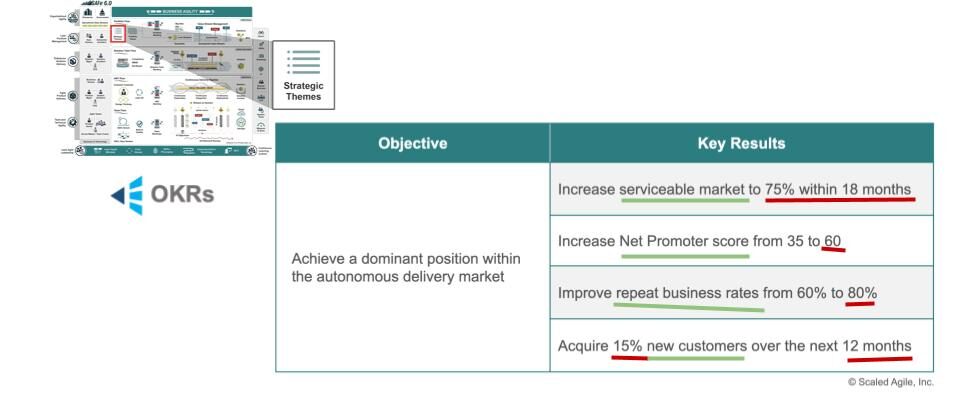
SAFe Strategic Themes are not OKRs, and treating them like OKRs creates confusion. When to use gradable Key Results vs directional strategic themes in SAFe.
A SAFe Fellow's honest take on the most common SAFe criticisms: what's fair, what's FUD, and where the SPC certification model makes it worse.
SAFe splits product ownership between Product Manager and Product Owner. The tradeoffs, common failure modes, and practical ways to make it work.

Sustainable pace is a core agile principle that often gets sacrificed in enterprise implementations. How Scrum, SAFe, and Kanban each approach the problem.
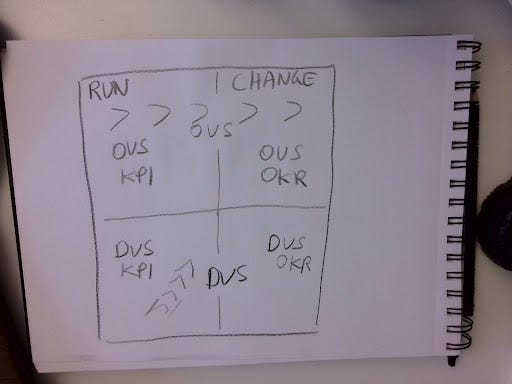
OKRs, KPIs, Operational Value Streams, and Development Value Streams in SAFe: how they connect, where people confuse them, and how to align them effectively.

How SAFe organizations can iterate faster: moving from quarterly PI cadences toward more frequent delivery with shorter iterations and faster feedback.

B2B tech vendors struggle to map SAFe's Operational Value Streams to their context. How to organize around customer value without distorting product delivery.
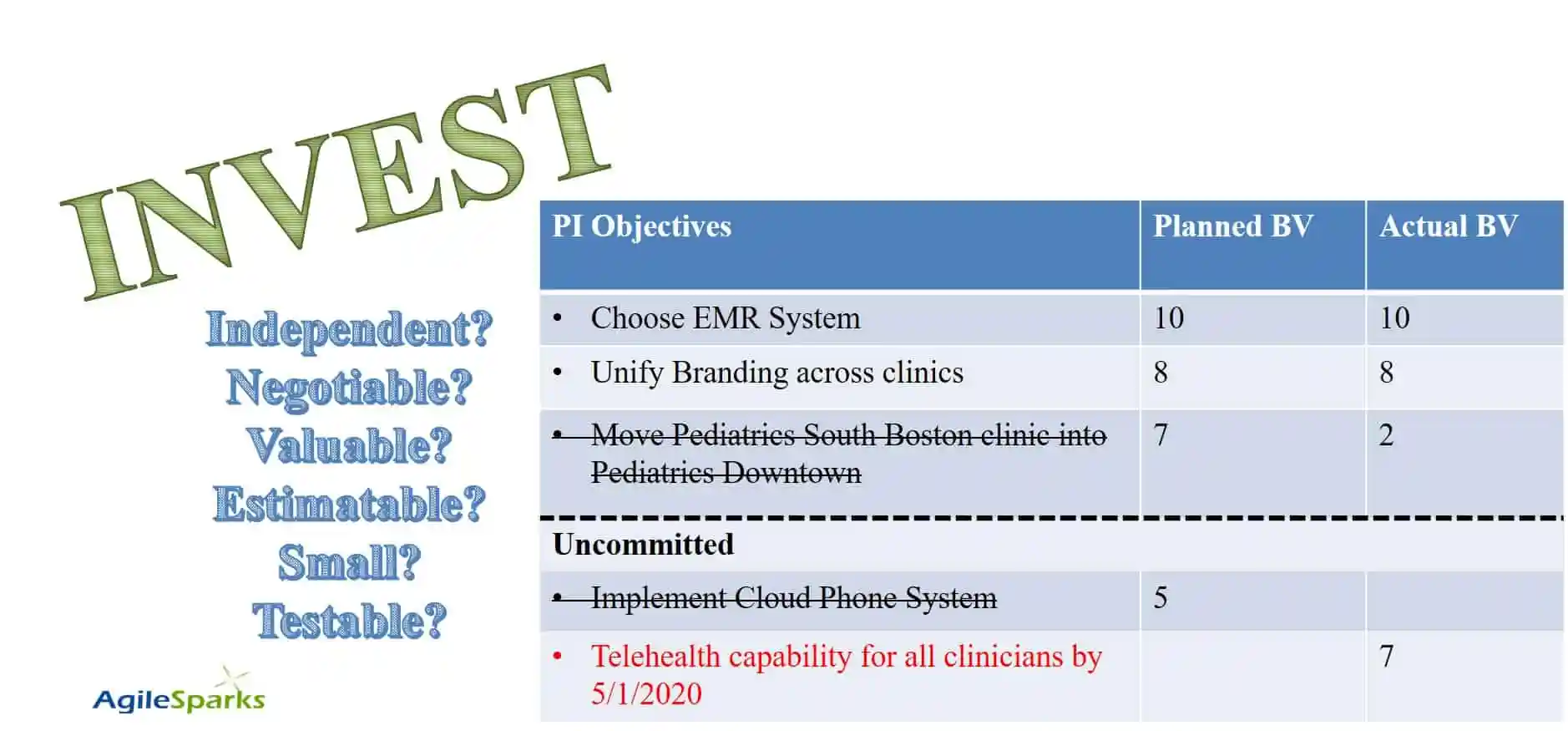
Applying the INVEST criteria to SAFe PI Objectives: how Independent, Negotiable, Valuable, Estimable, Small, and Testable goals make PI Planning honest.
A podcast conversation on how SAFe, Kanban, and Scrum complement each other, and where the friction points are when teams try to combine them.
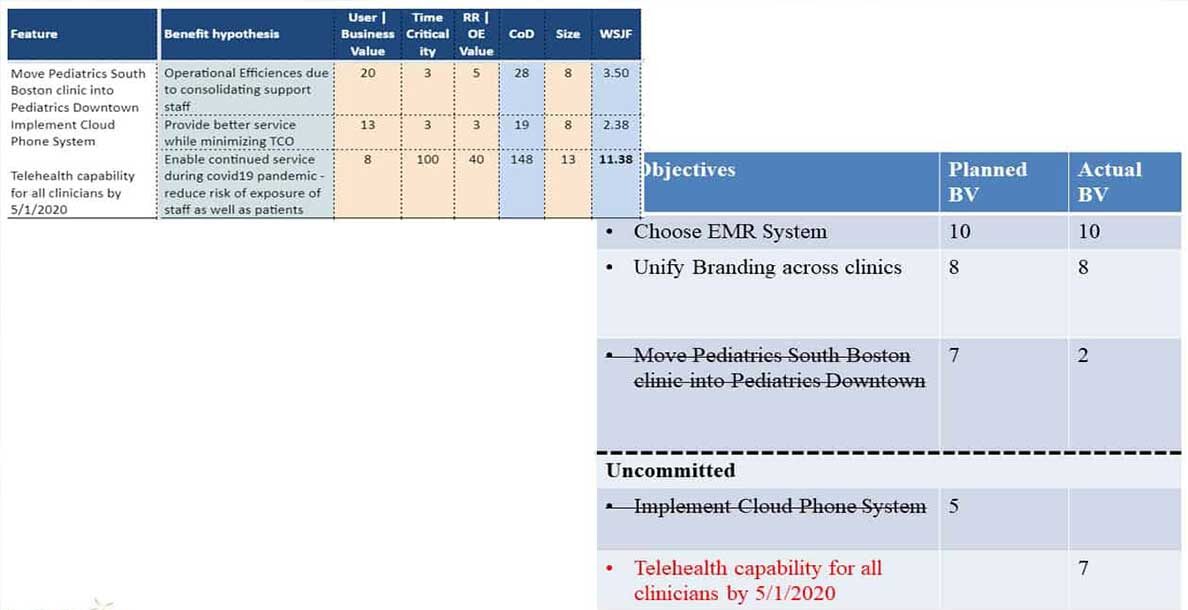
How to handle scope changes mid-PI: switching features, updating PI Objectives, and managing the hit to predictability score without gaming it.
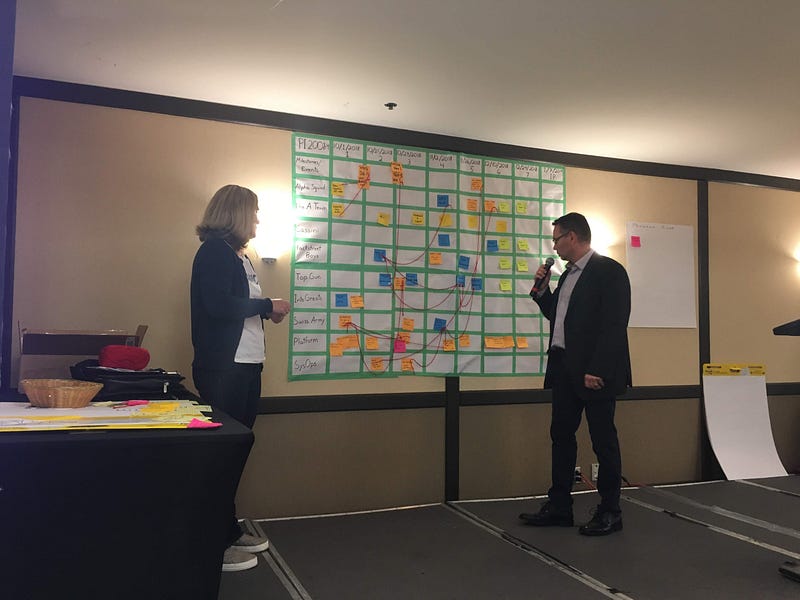
SAFe dependency boards can be pain-tracking tools or learning engines. How to use dependency retrospectives to actually reduce dependencies over time.
The wrong reasons people sign up for SAFe SPC certification, and what you should actually expect to get out of an Implementing SAFe workshop.
SAFe implementations often under-develop team-level Scrum discipline. How Professional Scrum training and coaching strengthens the foundation SAFe sits on.
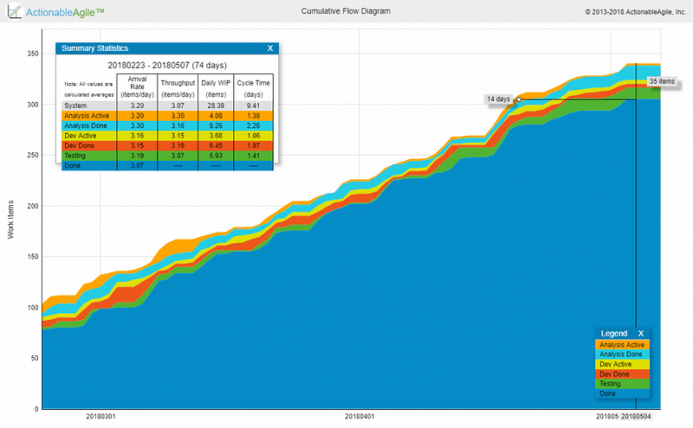
SAFe implementations often focus on ceremonies and roles while ignoring the underlying flow. Adding Kanban-style flow metrics makes the system evidence-based.
Forecast in SAFe with smaller slices, throughput, and cycle time instead of story-point-heavy PI planning. A lighter way to size features and plan.

Planned, Actual, and 'Actual Actual' Business Value in SAFe PI Objectives: why the gap between them signals broken goal-setting, and what to do about it.
The difference between a framework and a methodology matters. SAFe gives you structure and choices, not a prescriptive path, and that changes how you use it.
The Release Train Engineer role is one of the toughest in SAFe: part coach, part facilitator, part servant leader. What makes a great RTE and how to grow them.
Why SAFe gets called prescriptive, and why the real problem is practitioners treating a configurable framework as hard-coded rules.
SAFe is not one-size-fits-all. How large programs, rapid enhancement pipelines, and fixed-scope regulatory projects need different SAFe configurations.
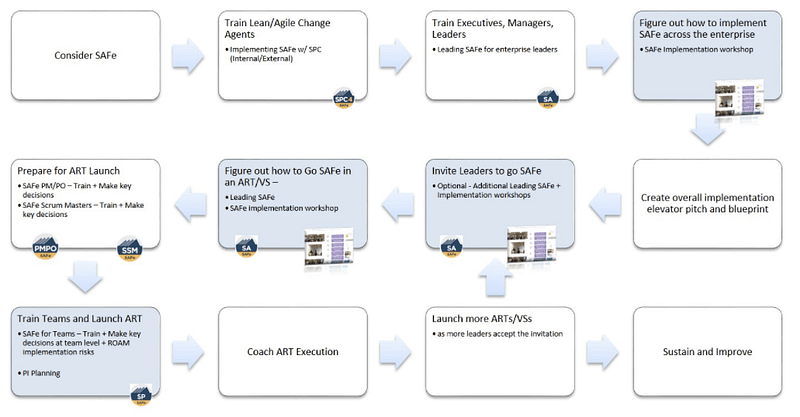
The official SAFe guidance article on Invitation-Based SAFe Implementation: why pull-based change beats mandate-driven rollouts.