Skill library
AI Impact
Thinking tools your own AI agent runs with you against your real portfolio. Find the constraint the result is waiting on and work it.
Explore on GitHub →Insights Topic
AI skills, tools, and prompts for further reflection.
Start with the Spec-to-Outcome Check, explore my public repositories, or continue the discussion with your own AI agent.
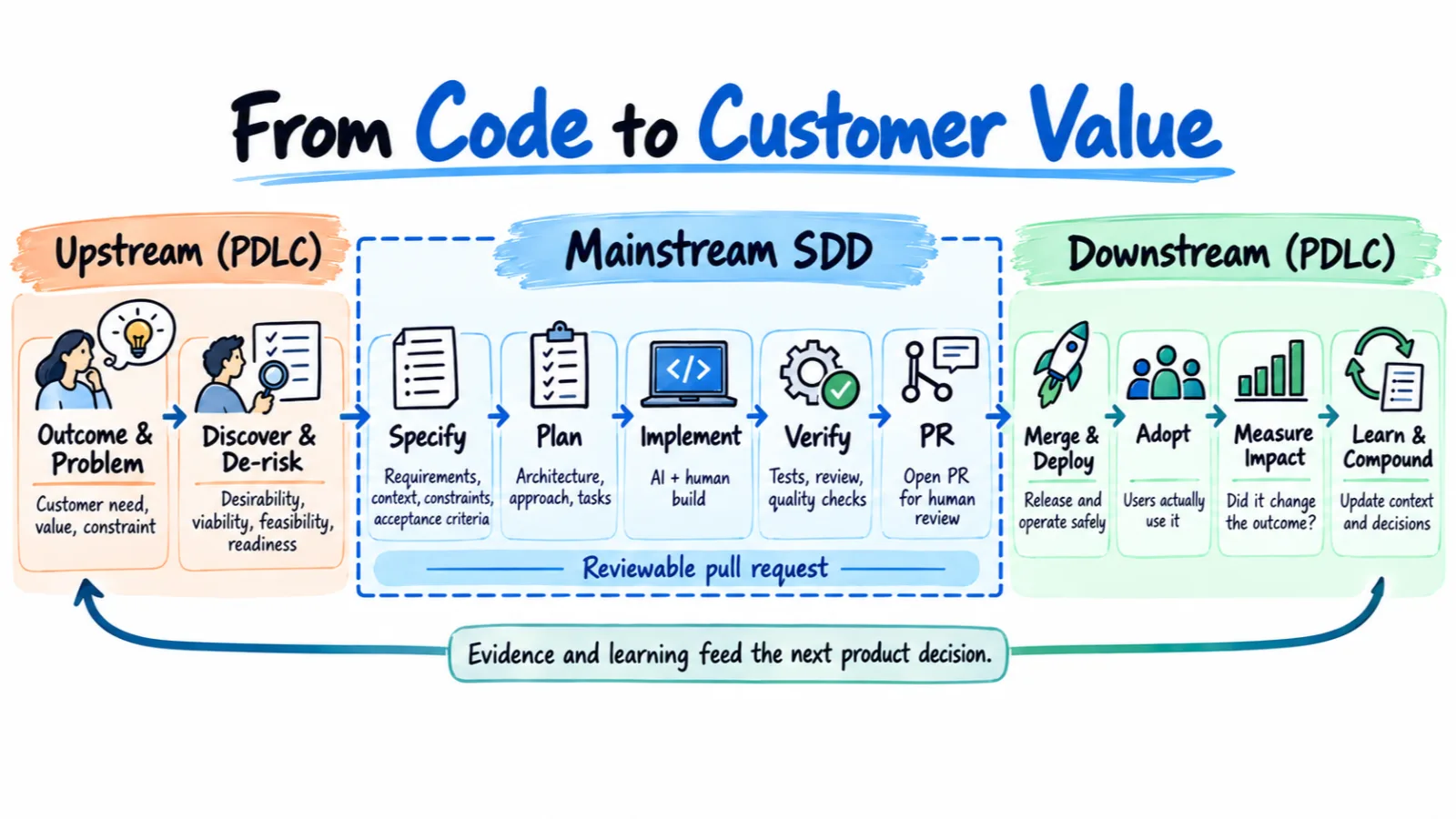
Start here · Cornerstone read
Check where your spec-driven workflow stops.
Read the full articleExplore my public skill libraries and tools. Start with AI Impact for coaching skills, or Portfolio PDLC for agentic workflows and harness assessment.
These projects are in various stages of discovery, development, and tuning. Try them out and share your feedback.
If you’d like help applying these skills or frameworks in your own context, let’s talk.
Skill library
Thinking tools your own AI agent runs with you against your real portfolio. Find the constraint the result is waiting on and work it.
Explore on GitHub →Skill library
Agents run the lifecycle, humans keep the decisions, and the portfolio learns every cycle. Skills for portfolio steering, workflow definition, and harness assessment.
Explore on GitHub →Workflow tool
See your in-flight work across Claude Code, Codex, and Gemini CLI on one local Kanban board. Resume threads, finish them, and track the outcomes they support.
Explore on GitHub →Analytics tool
Analyze pull-request flow in public GitHub repositories. Explore cycle time, throughput, aging work, and how issues and PRs frame value, with optional AI chat.
Explore on GitHub →Analytics tool
Use Jira CSV exports to explore work in progress, work item age, throughput, and cycle time. Optional AI coaching helps you discuss the flow signals.
Explore on GitHub →Continue the discussion
Browse additional insights that come with suggested further reflection prompts, ready to continue the discussion with your own AI agent.
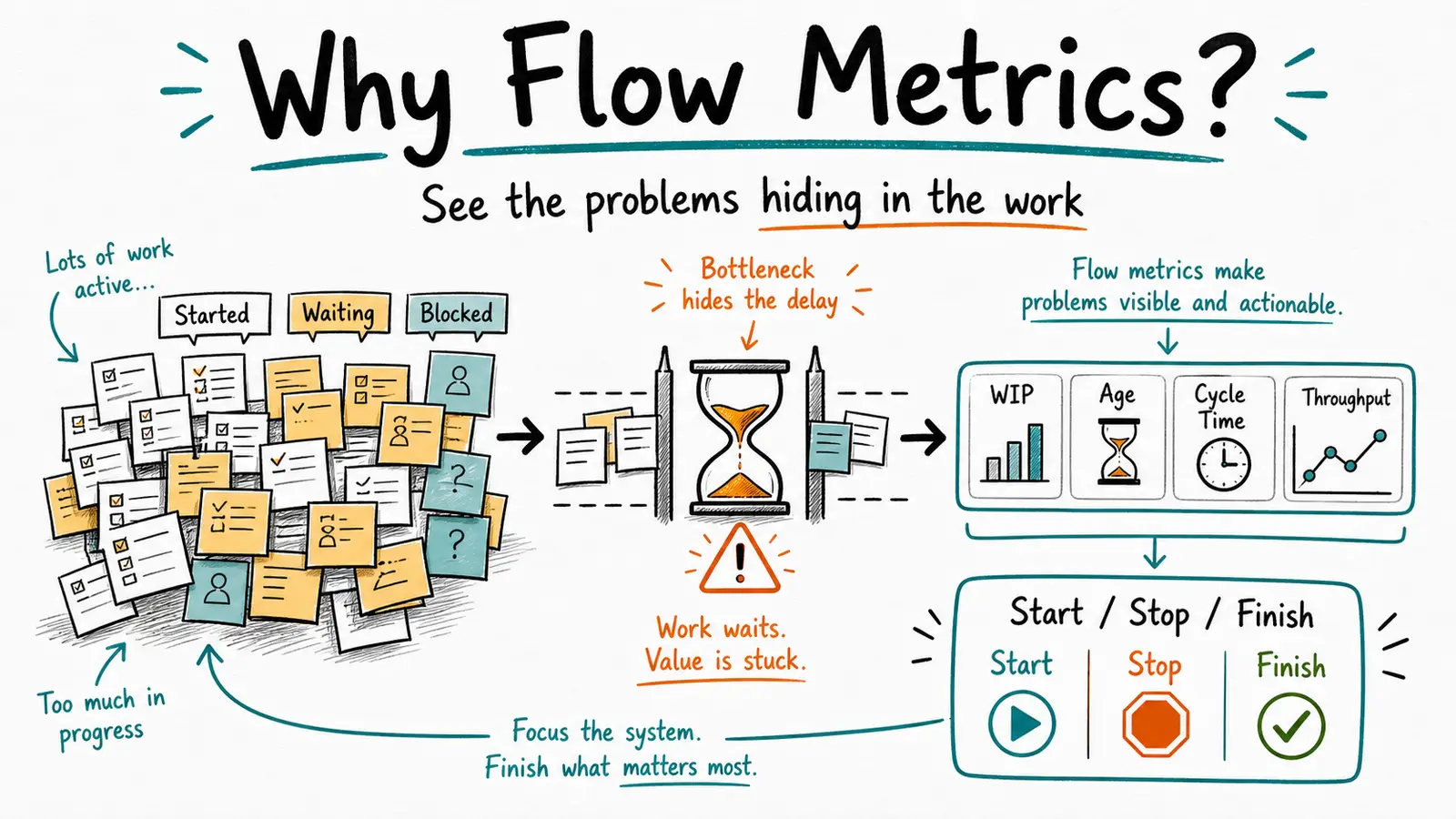
Flow metrics aren't useful because metrics are good. They're useful when important work is slow, blockers show up late, and forecasts keep missing. Agentic development made all of that sharper, and your agents can be taught to watch for it.
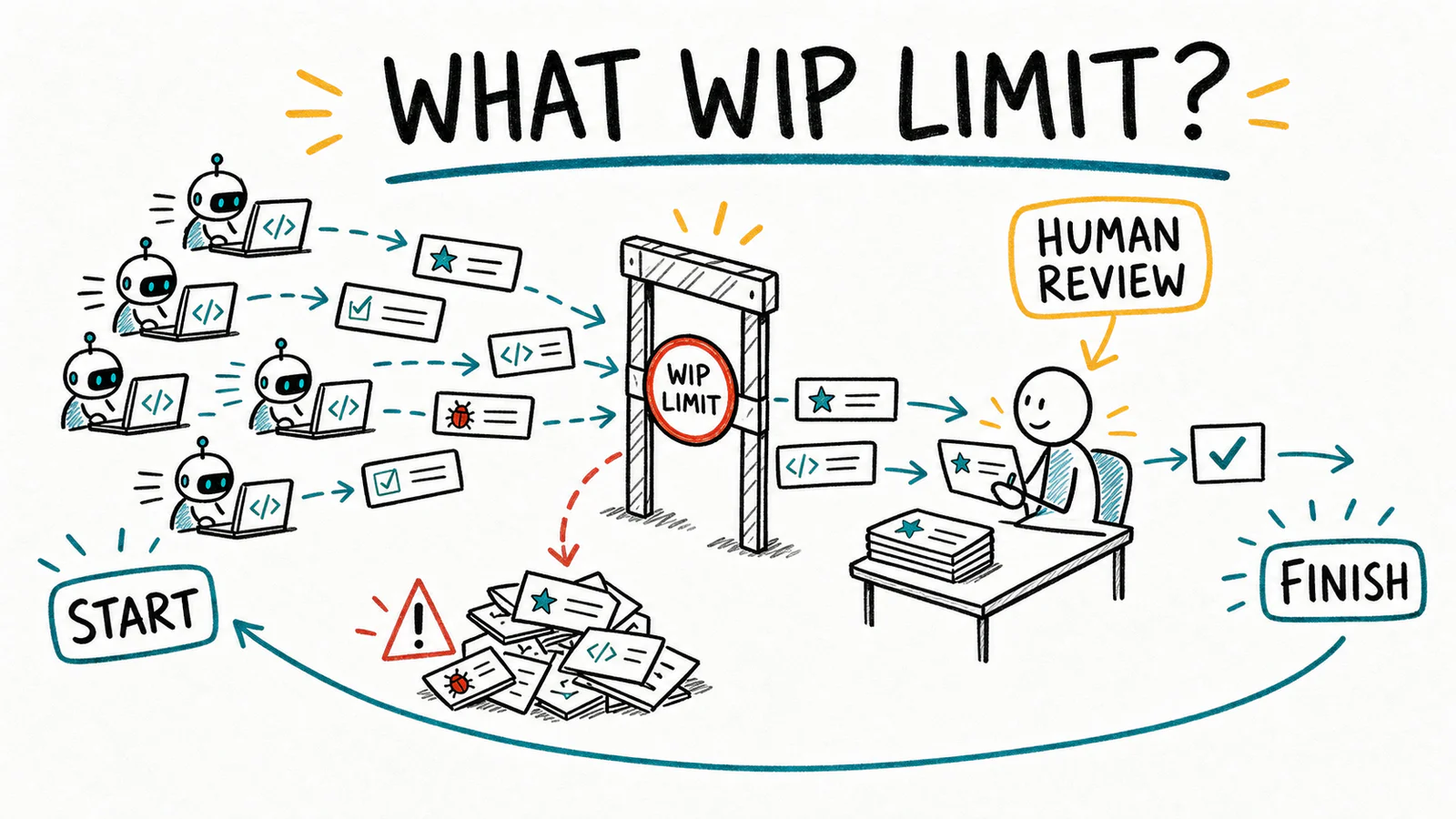
Starting numbers for active work and queues, covering solo and multiplayer spec-driven development, pod topology, flow buffers, and replenishment cadence.
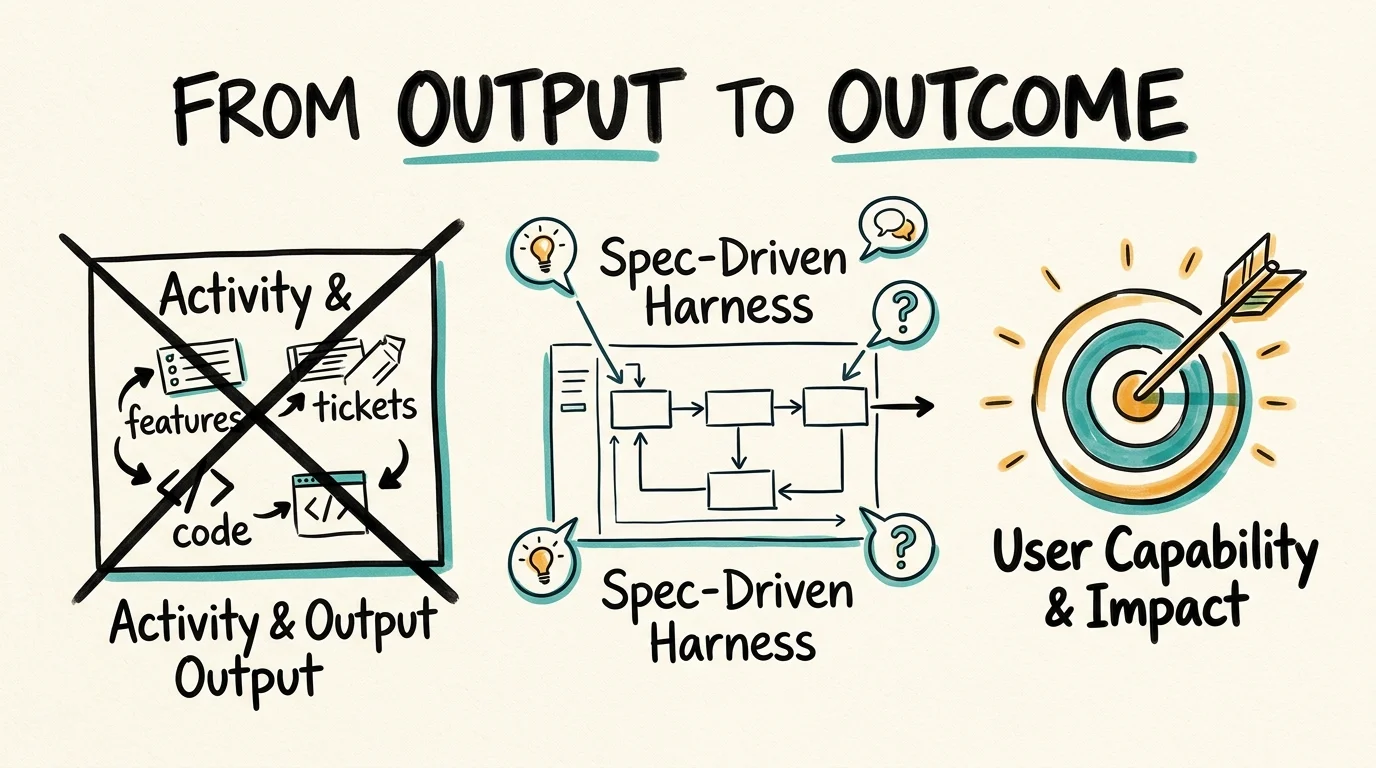
The real magic of spec-driven-development frameworks is how they make the code of the system running the agentic/human development lifecycle explicit, and opens the door to evolving this code to coach agents and humans towards more effective choices much more effectively than ever before.
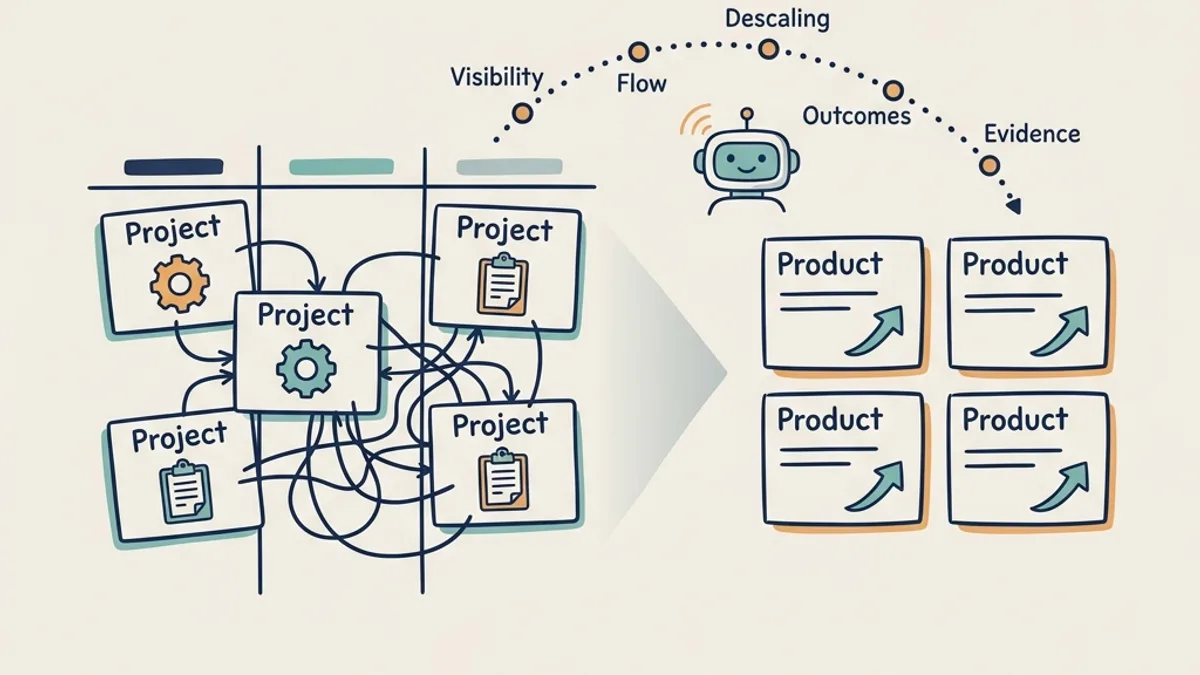
An AI coaching prompt from my "Product Orientation Through LPM" talk: pressure-test one real initiative, find the real gap, and get one experiment to run.
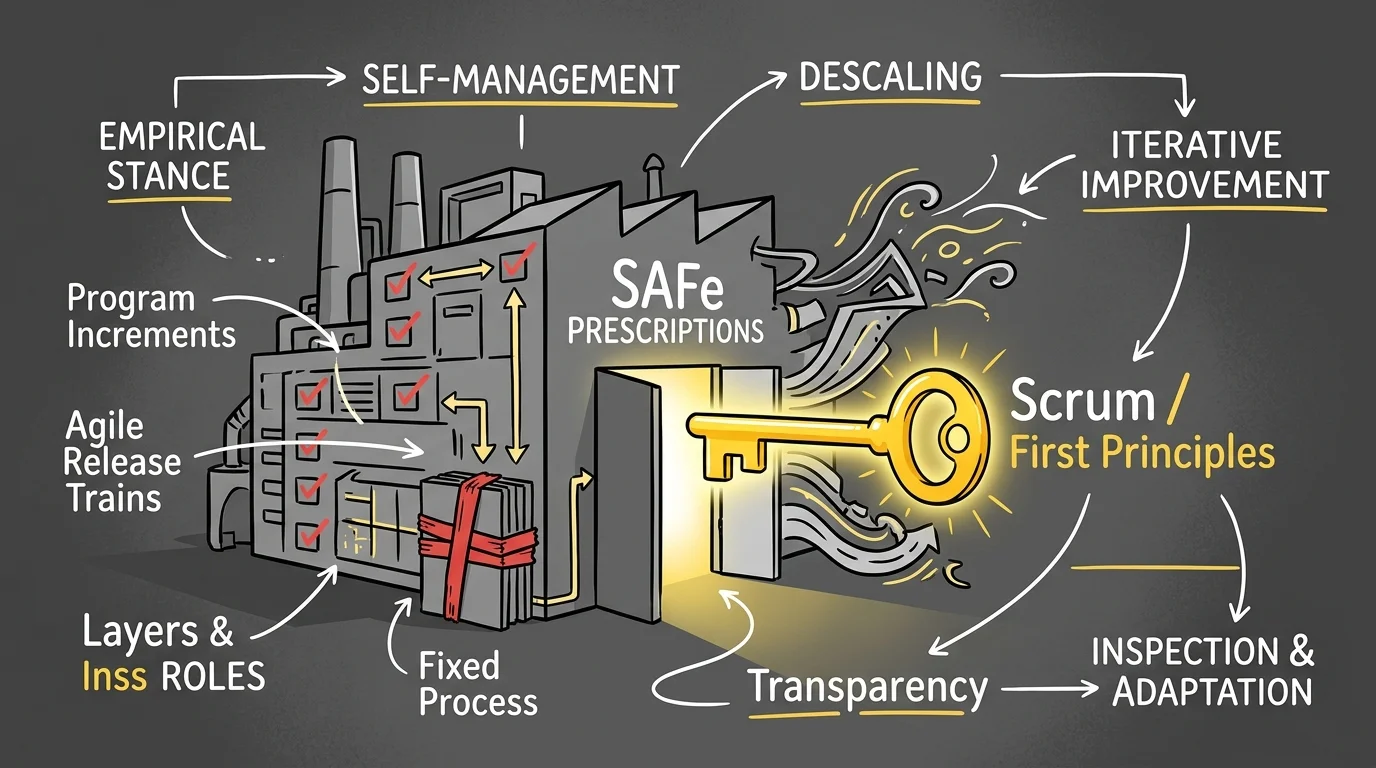
Season 1 of Breaking the SAFe: where SAFe helps, where it goes sideways, and how to course-correct before the framework becomes theater.