Insights Topic

AI Activity to Impact

AI creates speed, not automatic value. Your operating model decides whether that speed becomes business impact.

Most AI initiatives are swimming in activity but starving for business results. Below, I’ve mapped out my core perspectives on how to resolve the operational bottlenecks that prevent AI from driving top-line or bottom-line value.

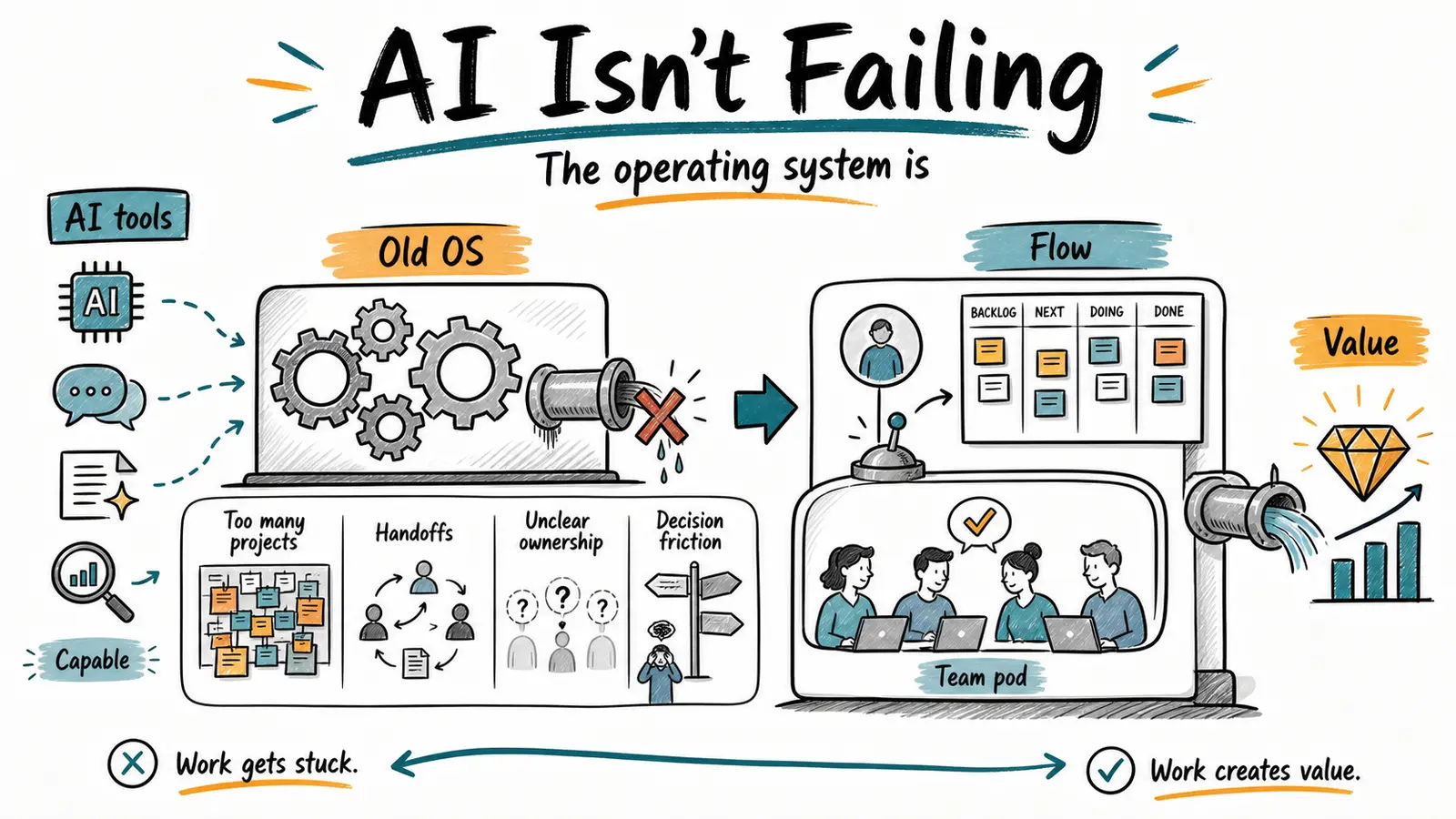
AI Isn’t Failing — Our Operating Systems Are

Start here · Cornerstone read

AI Isn’t Failing — Our Operating Systems Are

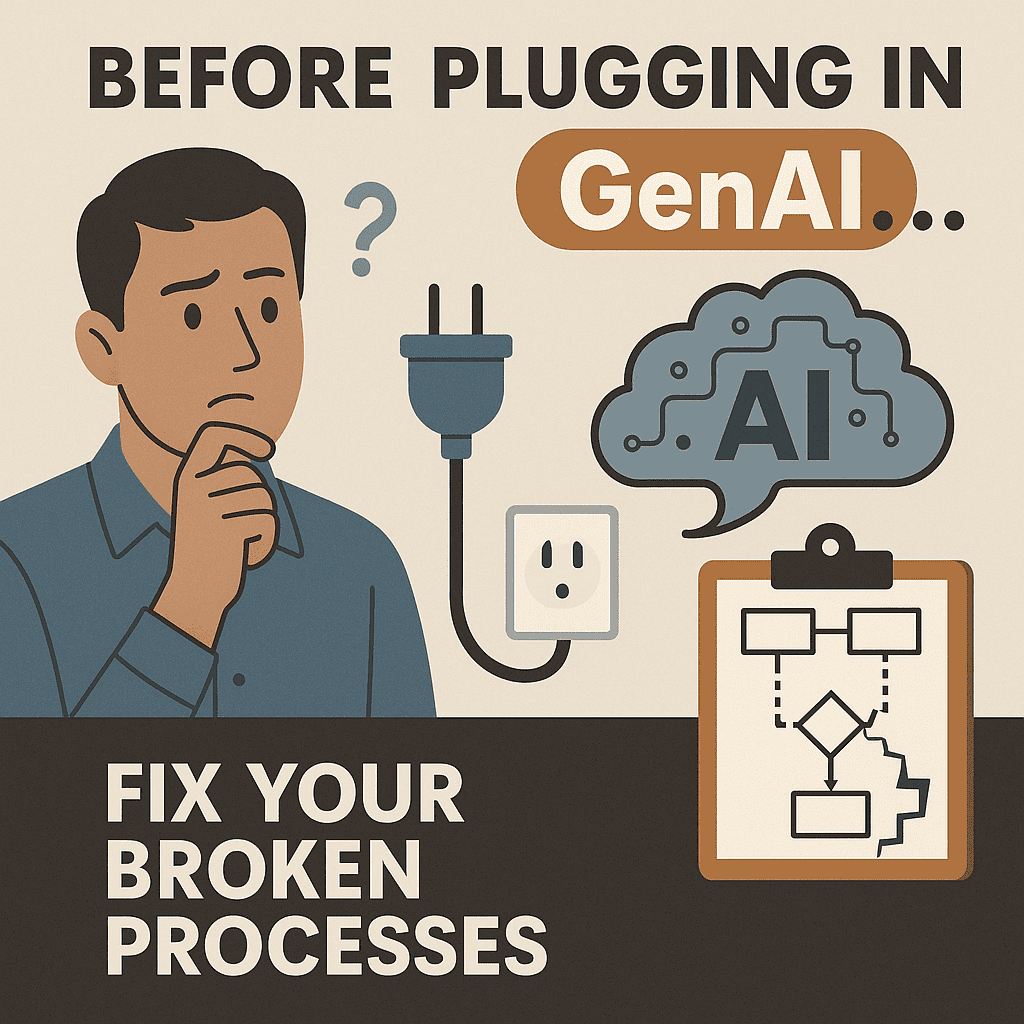
Most AI projects fail not because the models are wrong — but because the management operating system isn't built for high-uncertainty work. How agility principles change the odds.

Read the full article

Why Activity != Impact

Why does massive AI activity so rarely lead to business impact?

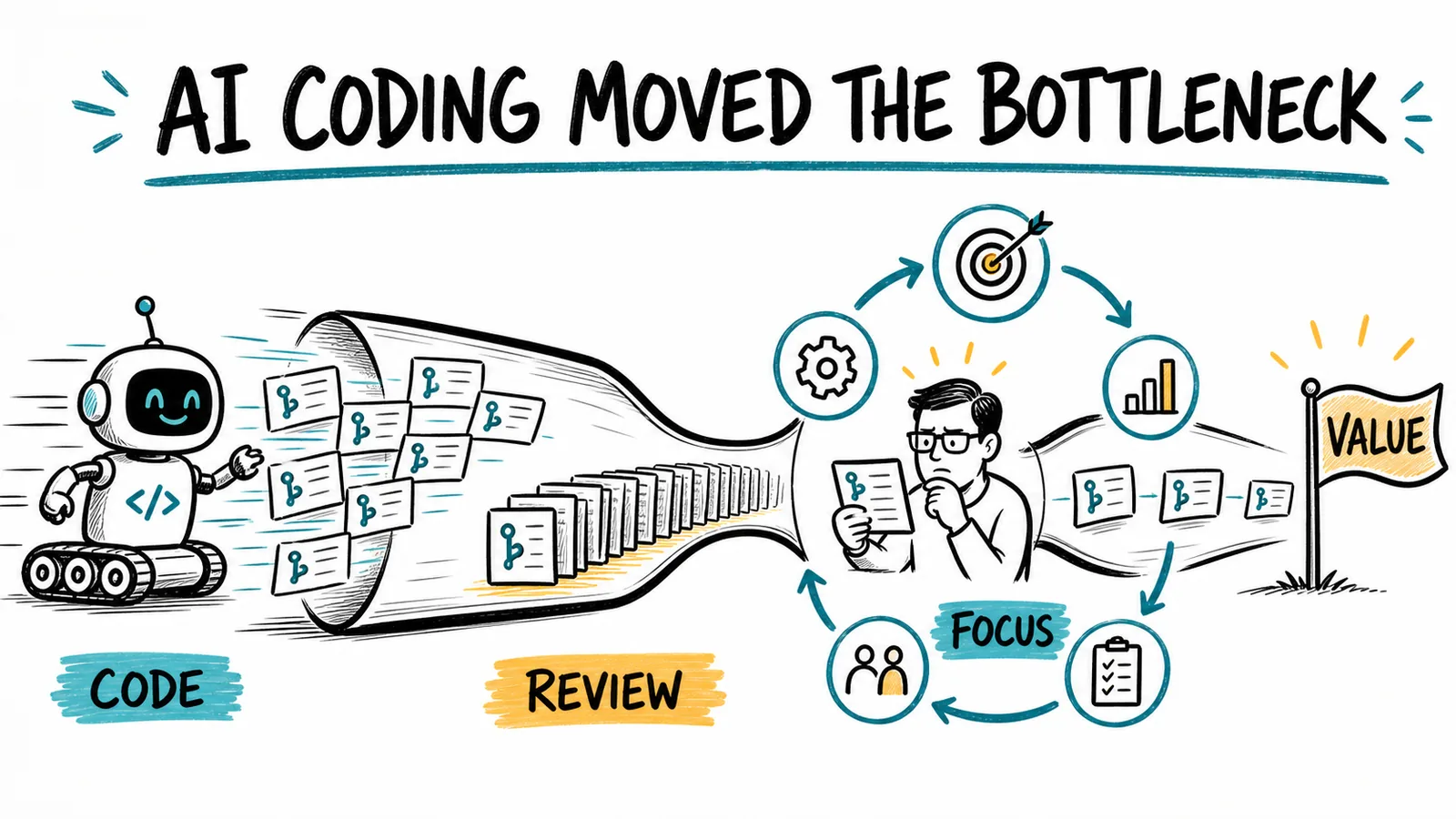
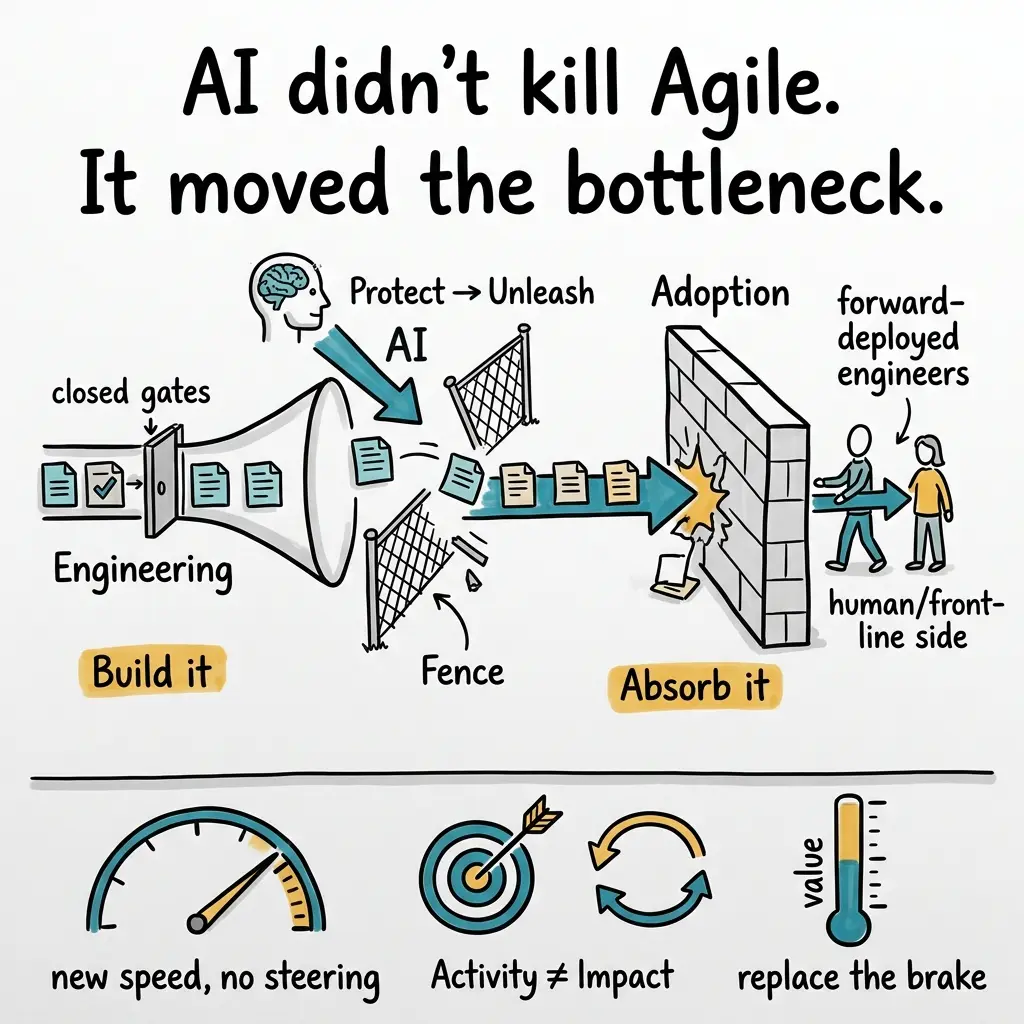
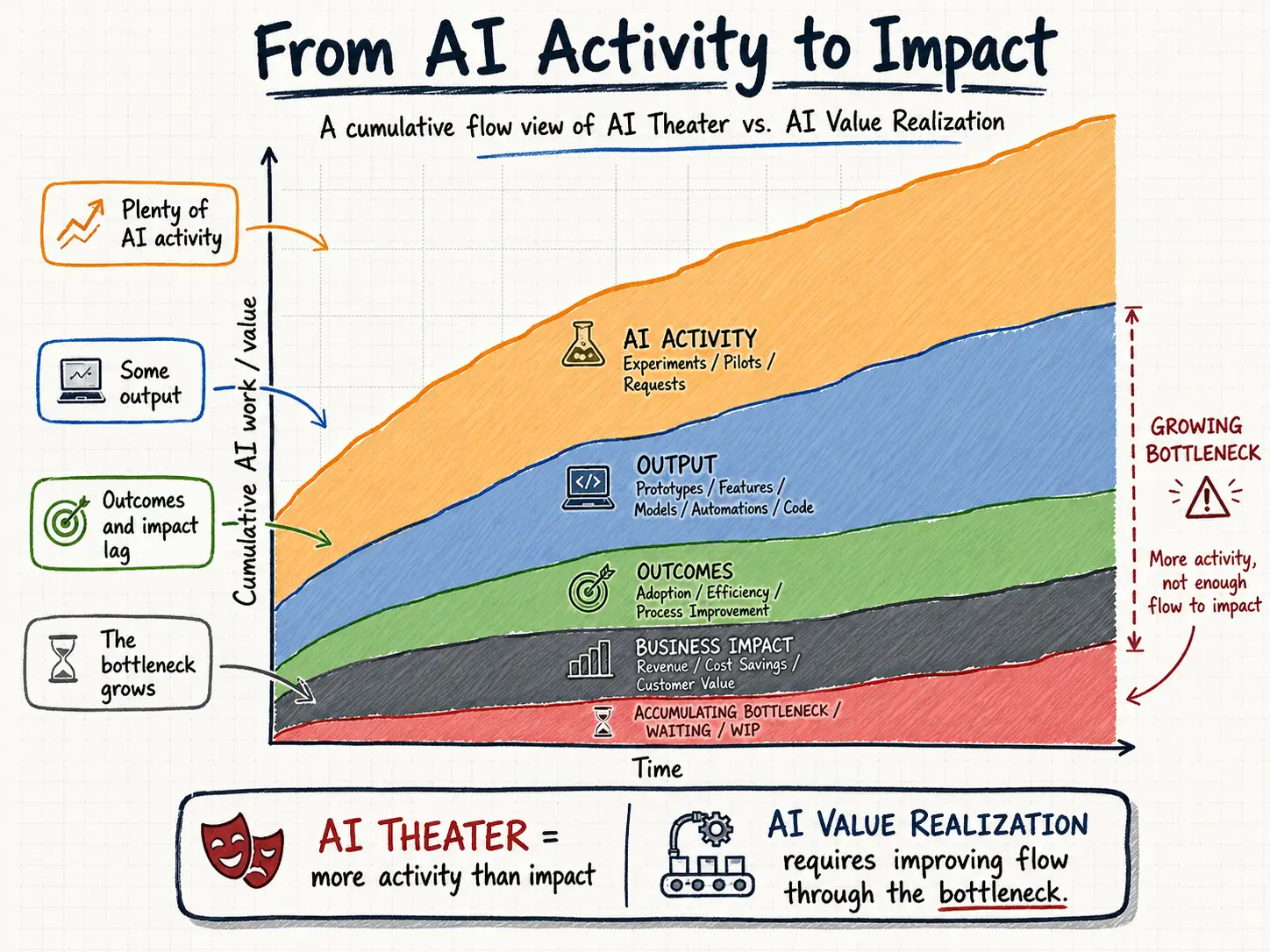
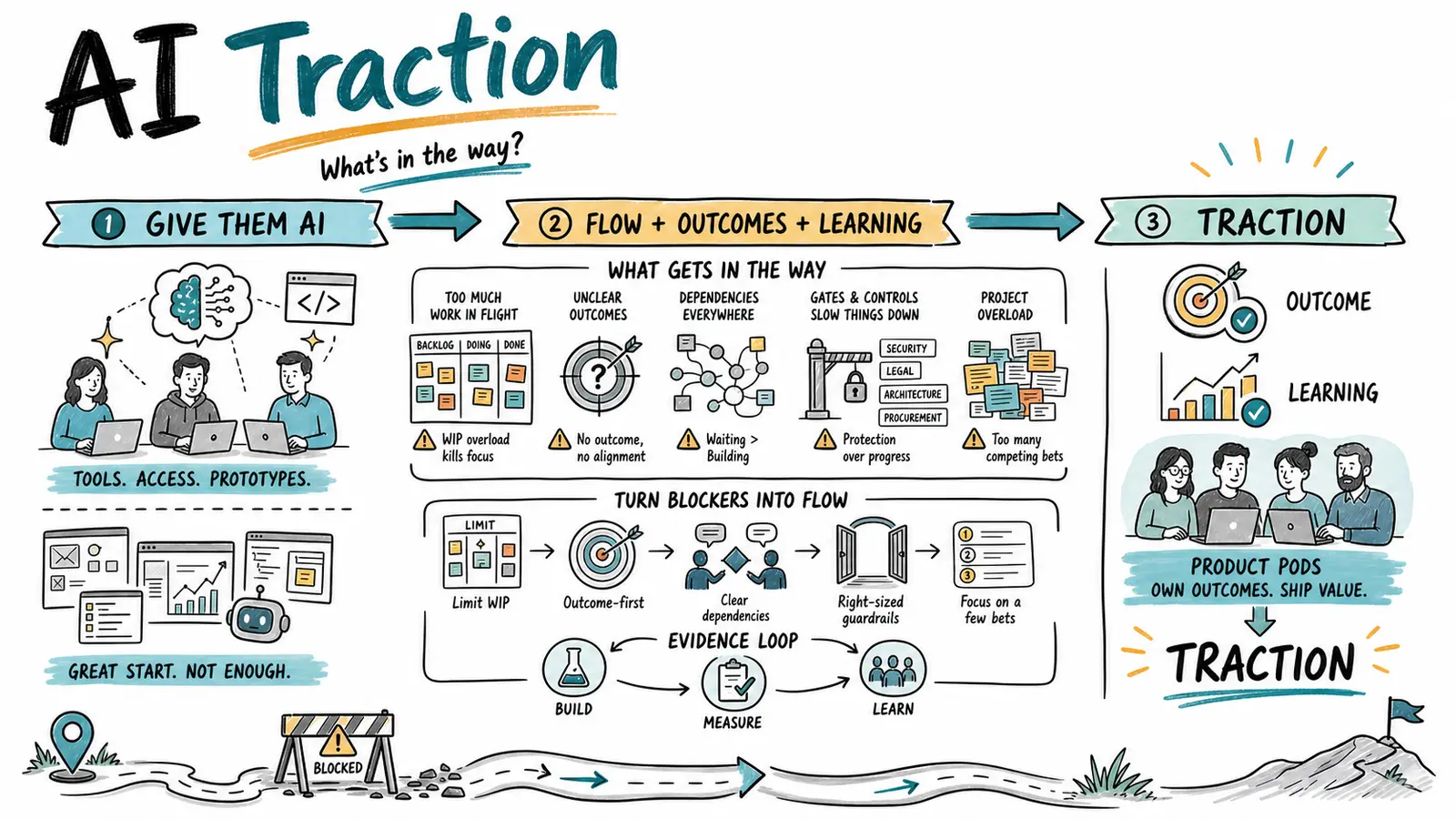
We are accelerating the wrong parts of the system. In engineering, we use AI to dramatically speed up the inner loop—writing code or drafting documents. The problem is that the downstream outer loop, where reviews, security validations, and integration happen, remains slow and unchanged.

When you push a faster inner loop into a constrained outer loop, you do not get more business throughput. Instead, you get "acceleration whiplash." Work piles up in queues, creating massive amounts of unreleased inventory. Realizing impact requires shifting focus from local developer productivity to end-to-end system flow.

Escaping "AI Theater"

How do you recognize and escape "AI Theater"?

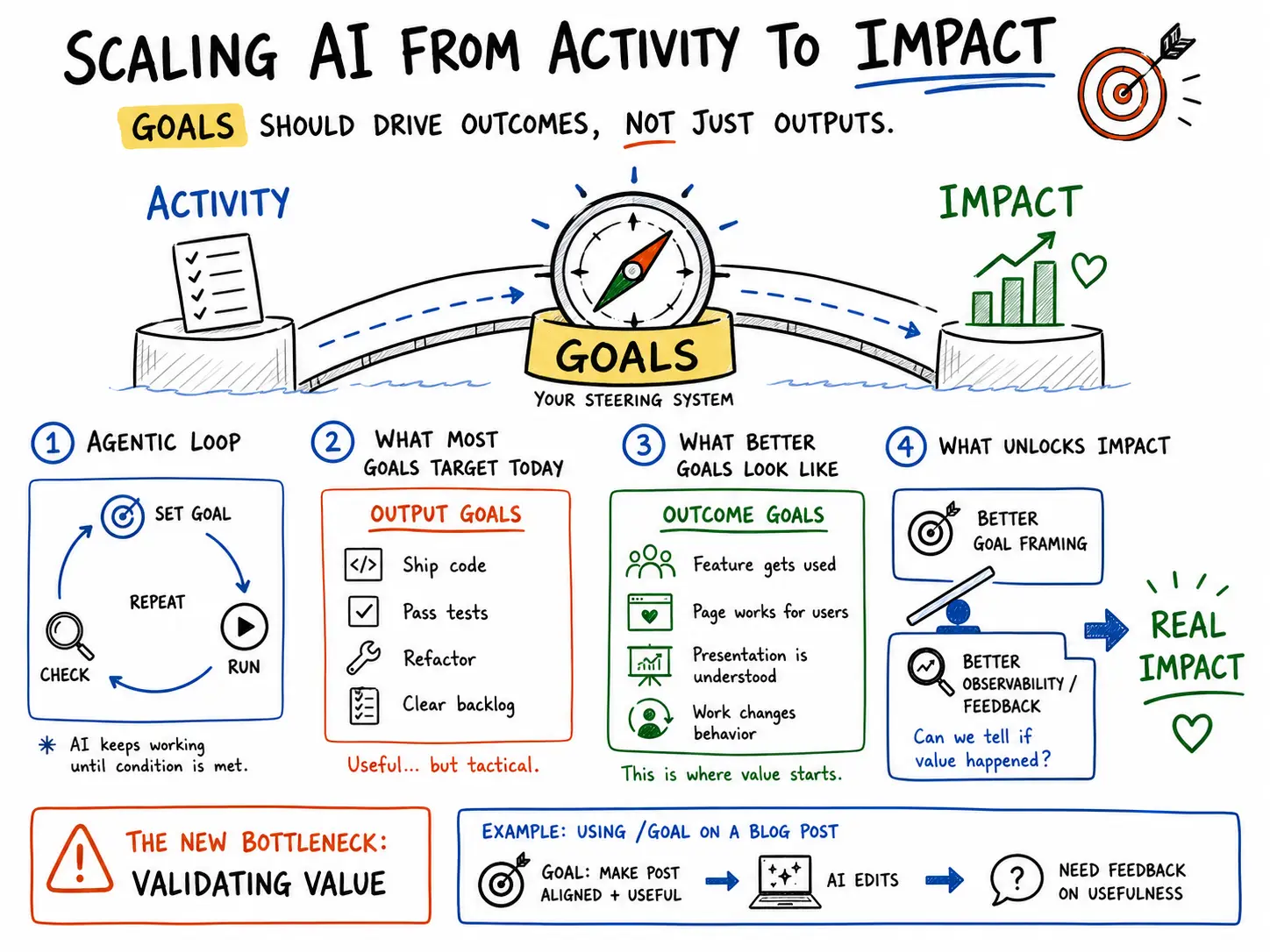
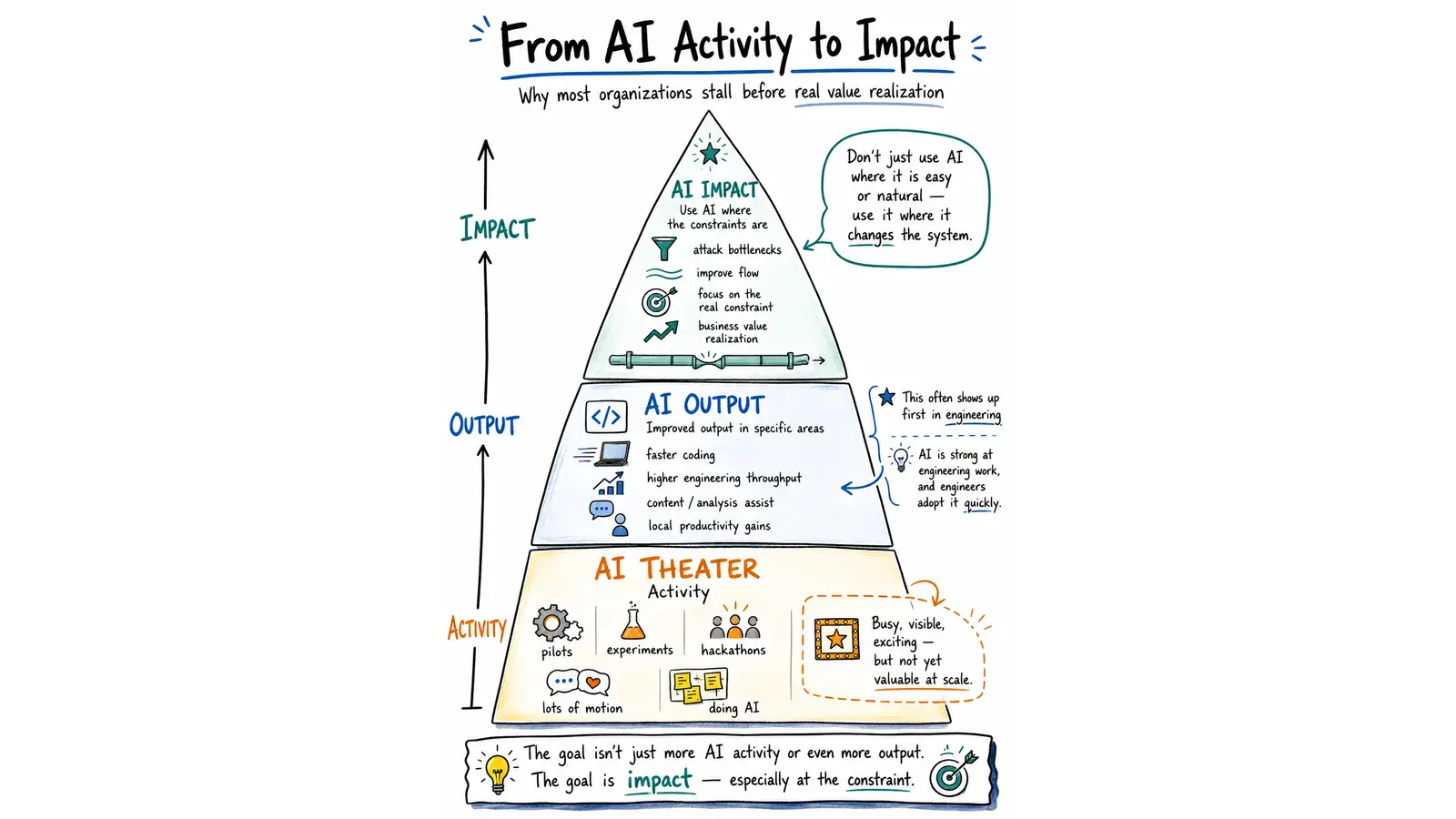
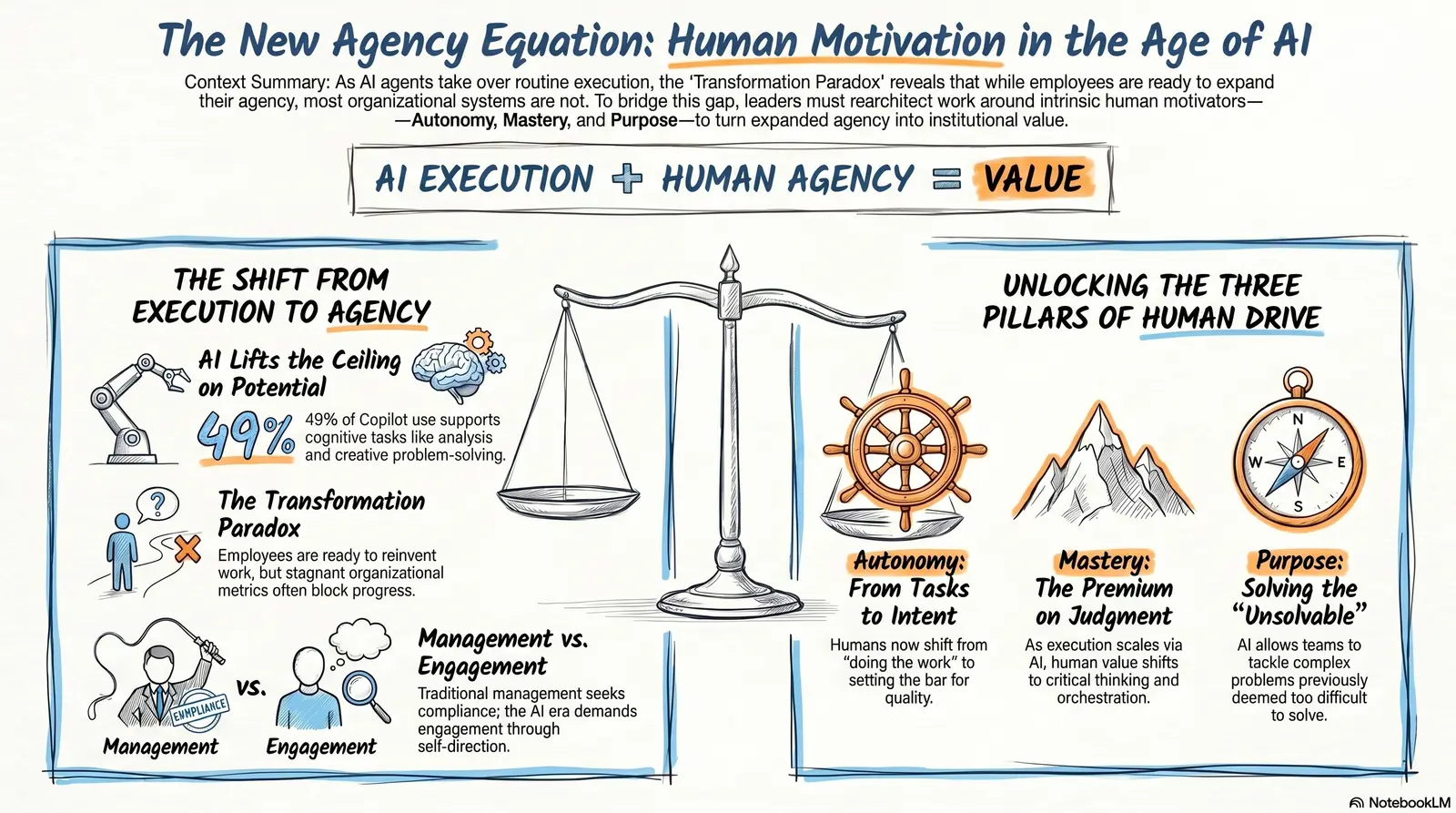
AI Theater is what happens when organizations measure success through activity metrics. You will see dashboards boasting about the number of licenses purchased, workshops completed, or hackathons held. These are input metrics, and they create the illusion of progress without solving any actual customer or business friction.

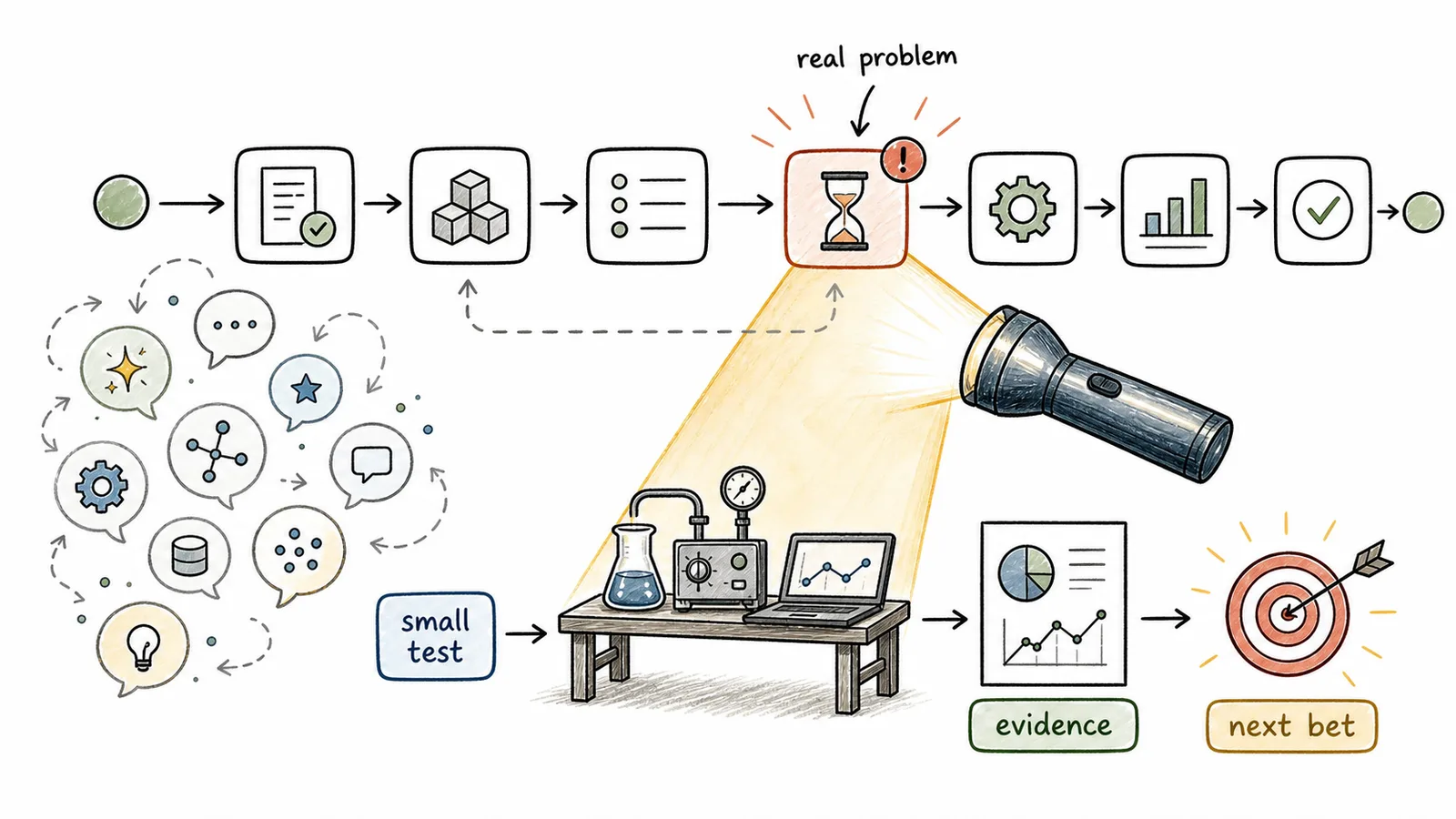
Escaping this theater means shifting to outcome-oriented steering. We need to stop mandating tools top-down and start focusing on pull-based adoption. Teams should adopt AI capabilities because it demonstrably reduces their lead times or solves specific operational constraints.

Value Realization

How do we shift from AI activity to value realization?

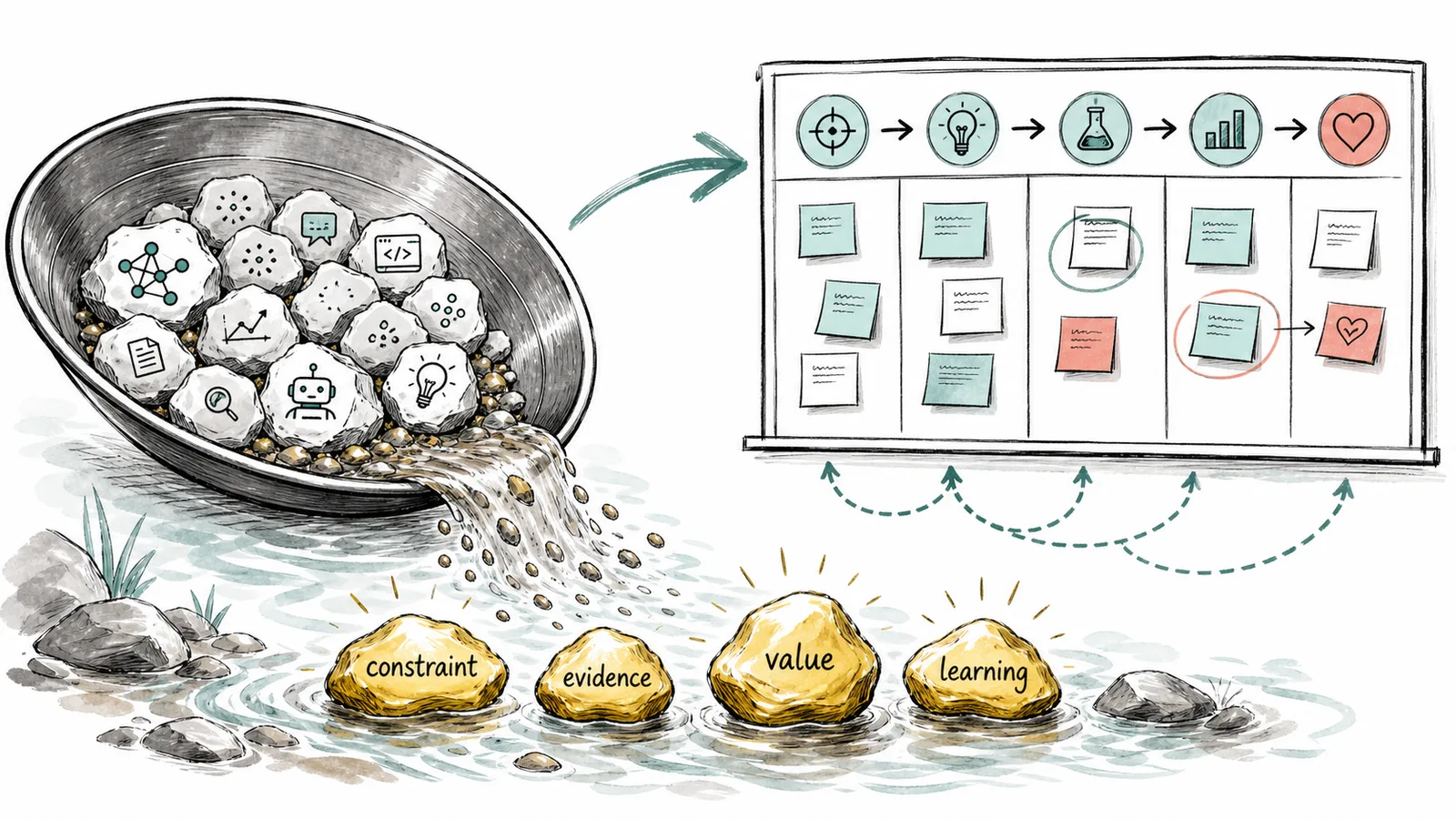
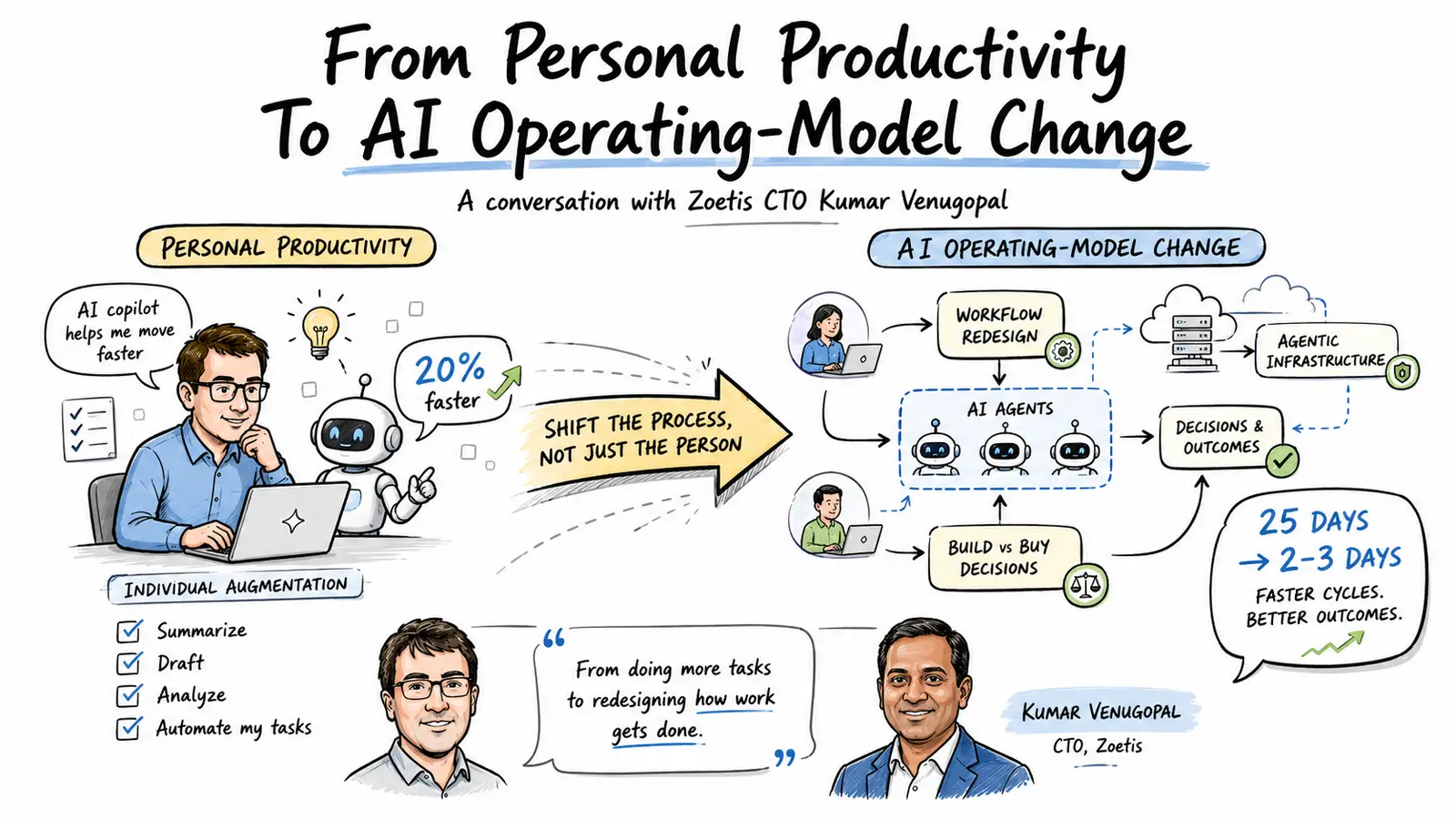
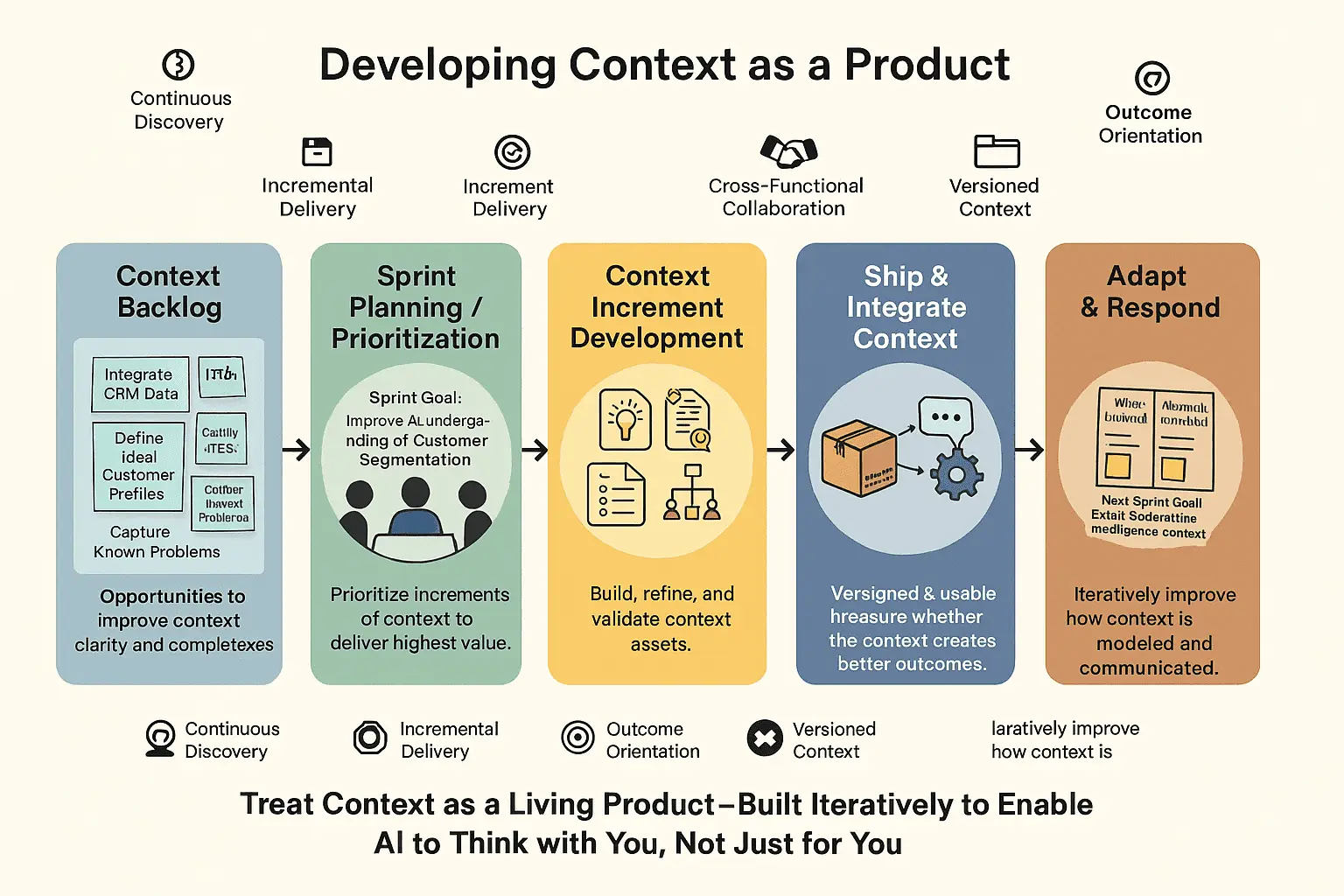
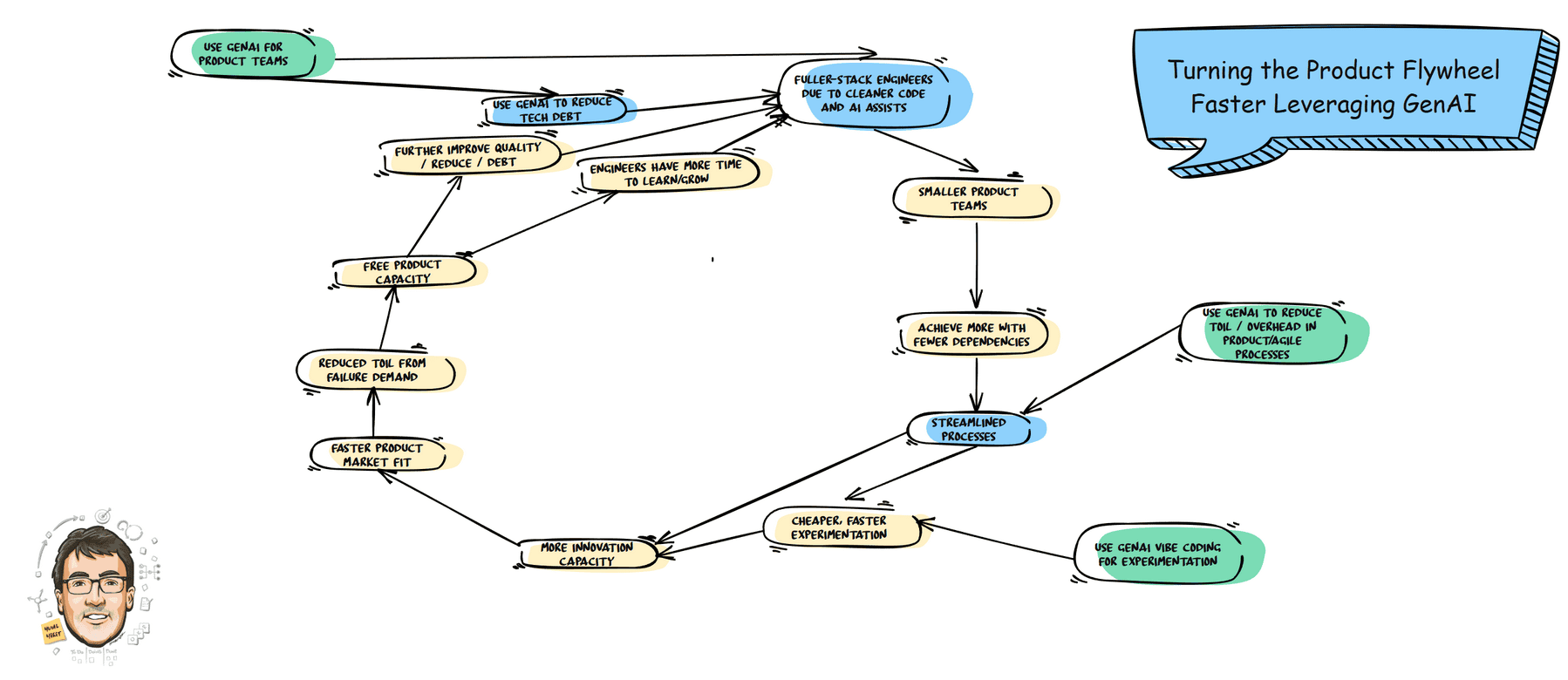
Treating AI as a simple IT rollout is a fundamental mistake. Realizing value requires treating internal AI capabilities—and the organizational context surrounding them—as products. This means applying Lean Startup techniques, building in small incremental steps, and managing flow economics.

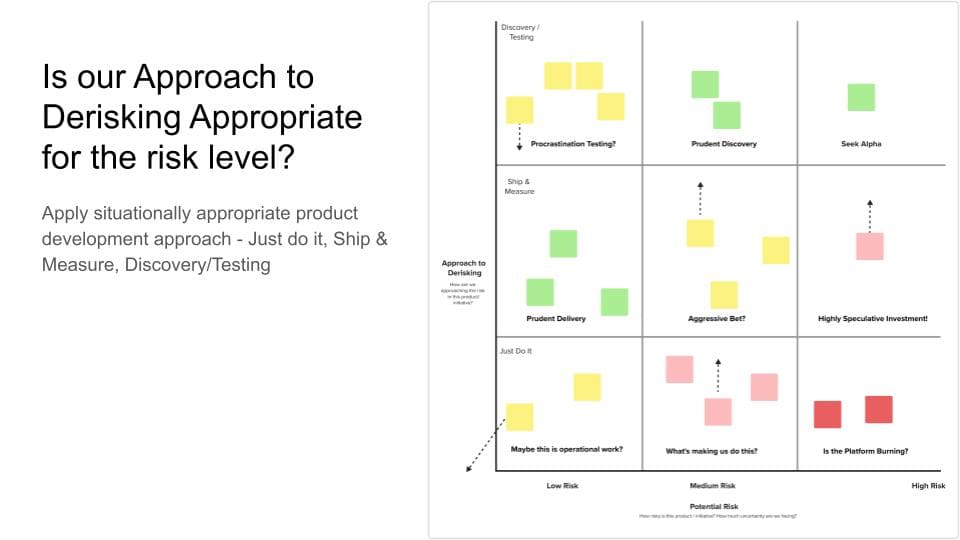
Start by identifying the actual constraint in your business, whether that is customer onboarding or sales enablement. Fund experiments in stages, releasing investment only as teams demonstrate sponsor-ready evidence of real value.

FAQ

Frequently asked questions

What is AI Theater?

AI Theater is when an organization measures AI success by activity—such as seats allocated, prompts typed, or demos built—rather than actual business outcomes. It creates the appearance of progress without driving revenue, cost savings, or cycle-time improvements.

How do you measure the business value of AI?

Measure AI value by tracking system-level outcomes: end-to-end cycle time, release frequency, change failure rates, and customer value indicators. Avoid local productivity metrics like lines of code generated, which ignore downstream review and testing bottlenecks.

Why does accelerating engineering not automatically improve business velocity?

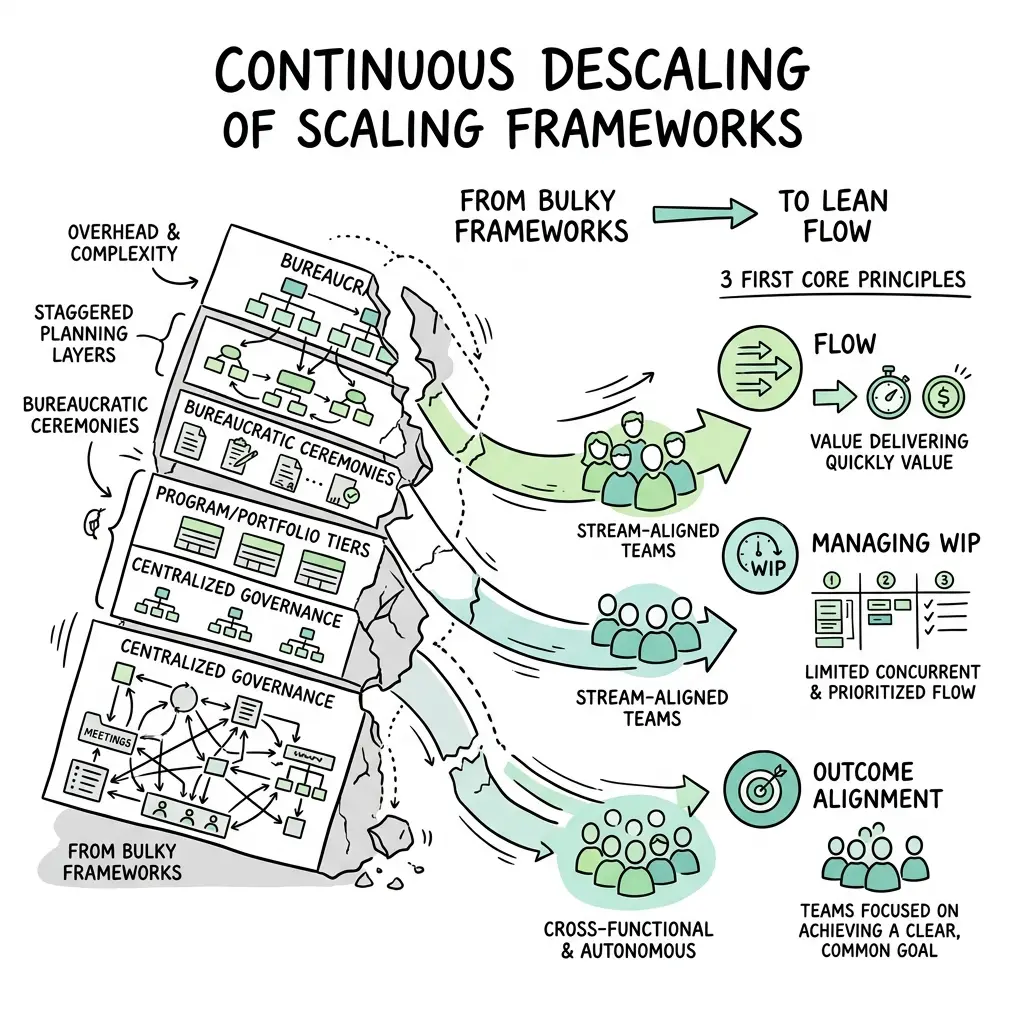
Because value is constrained by the slowest part of the end-to-end stream. If engineering speeds up but product discovery, code reviews, deployment, or customer adoption remain slow, you simply pile up work-in-progress (WIP) and create longer queues, not faster value delivery.

Insights Database

All AI Activity to Impact Articles

Browse the complete archive of articles and case studies related to ai activity to impact.