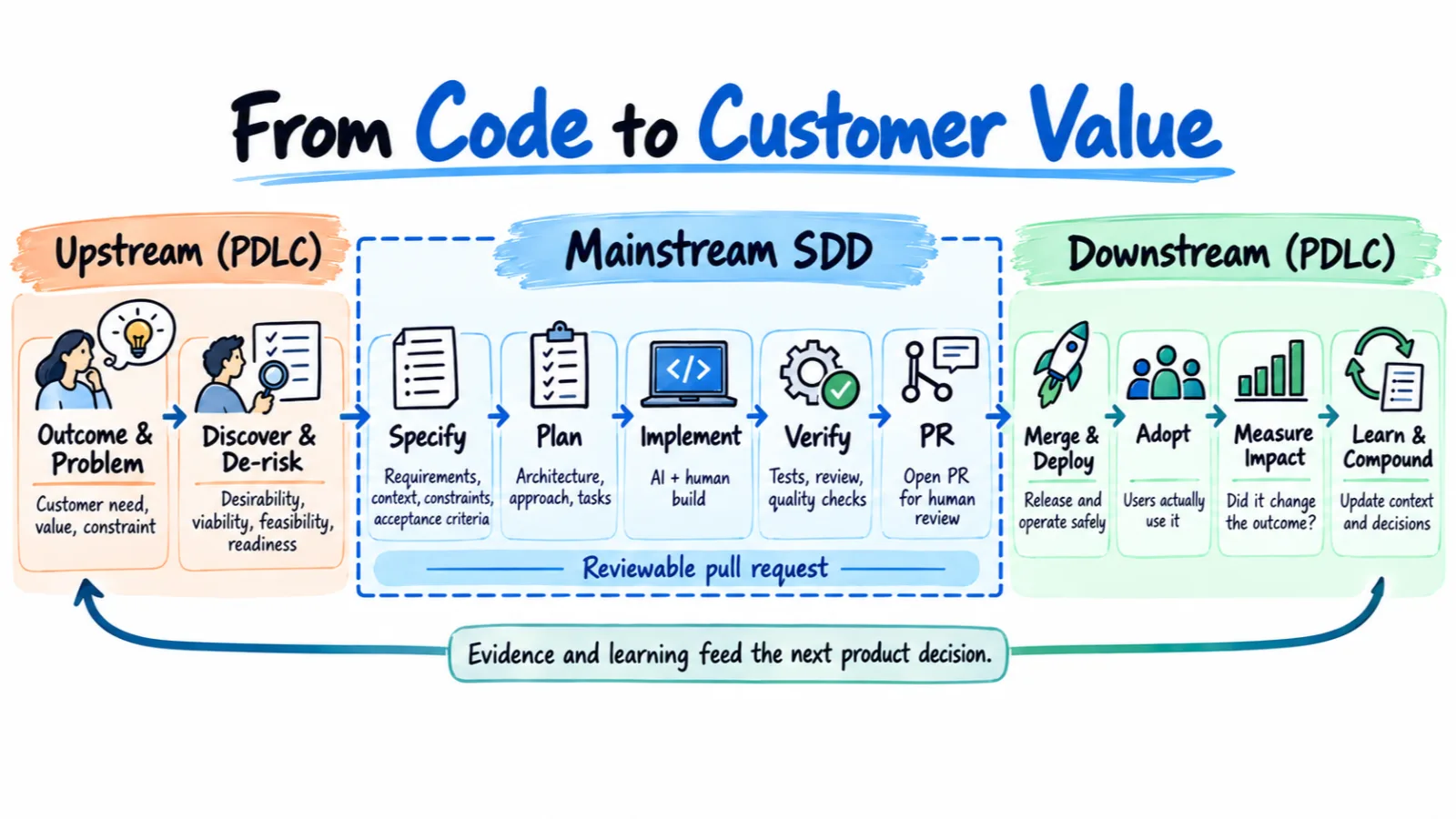
Spec-to-Outcome Check: Does Your Workflow End at the PR?
Assess your agent harness for outcome orientation, trustable output, and continuous improvement. Extend spec-driven development through the product lifecycle.
Read more →Making sense of agility, scaling, OKRs, product operating models, and leadership: written from 15+ years in the field.
Curated reading paths through 15+ years of field writing
The leadership side of AI: where value is actually leaking, which bets are worth funding, and how to steer them as a portfolio instead of a pile of pilots.
All posts →The delivery side of AI: what changes in specs, code review, flow, and team shape once agents generate most of the work.
All posts →Agile principles applied beyond engineering: to marketing, operations, finance, and the whole business.
All posts →Treating internal capabilities and transformation initiatives the same way great product teams treat their products.
All posts →Moving from feature factory to product-led: how teams, leadership, and the business need to change to make it real.
All posts →When agile transformations stall, backslide, or never really landed: diagnosing and recovering from agile gone wrong.
All posts →Getting rid of portfolio theater: funding flows, initiative ownership, and investment decisions that actually create value.
All posts →Making SAFe work in the real world: connecting the framework to product thinking, agile leadership, and actual outcomes.
All posts →OKRs done right: connecting strategy to execution without creating another layer of administrative theater.
All posts → Assess your agent harness for outcome orientation, trustable output, and continuous improvement. Extend spec-driven development through the product lifecycle.
Read more →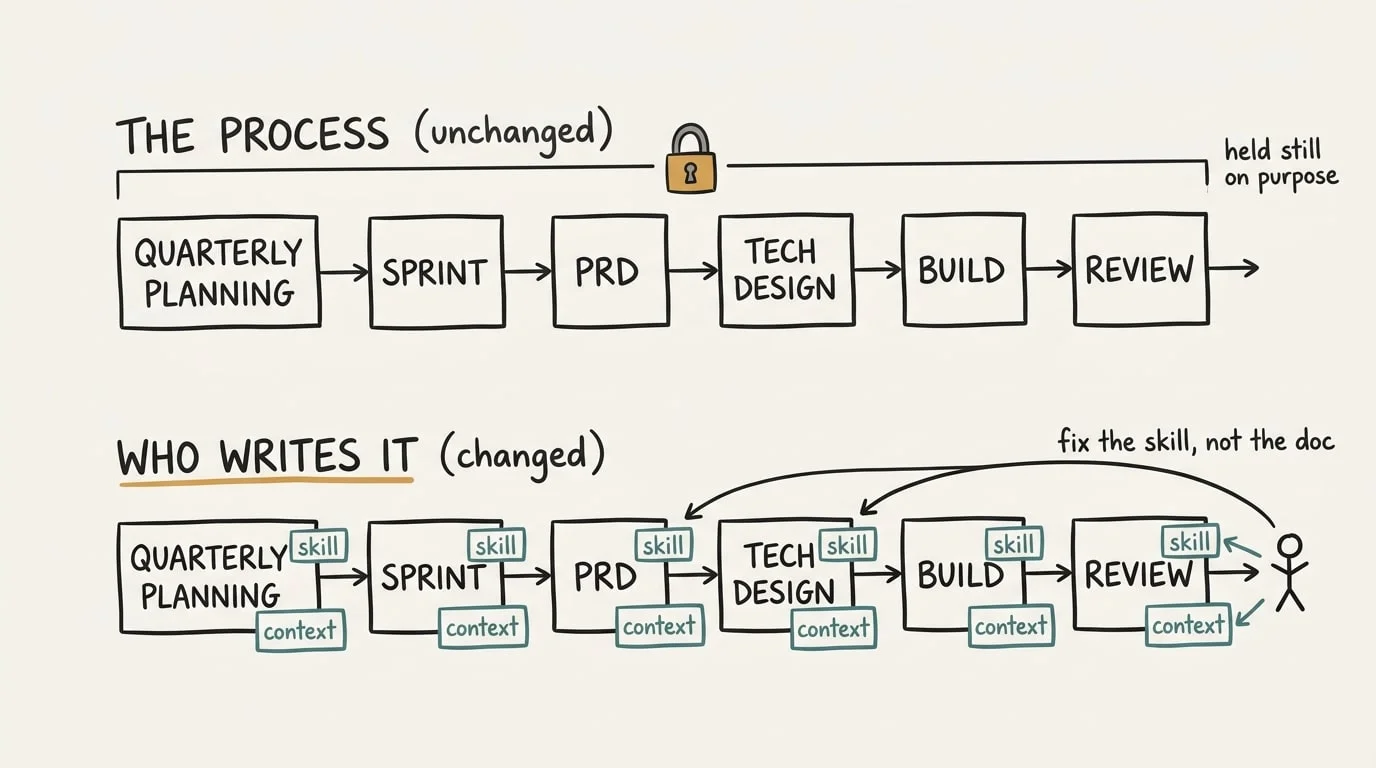
Next Insurance broke its whole product development lifecycle into agent skills and deliberately kept sprints, roadmaps, Jira and the role split. Why authorship is the first thing to change in an agentic rollout, and how you know when the process change is finally due.
Read more →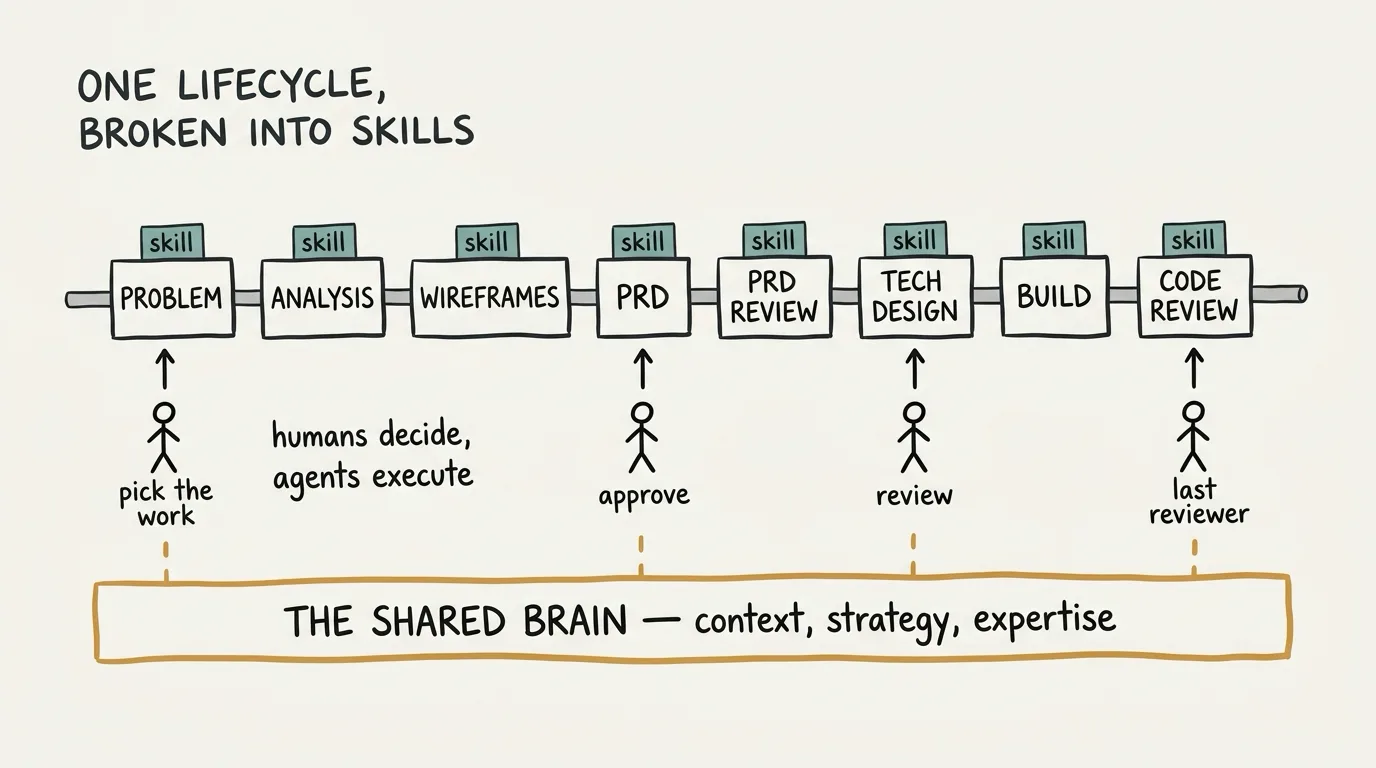
Shay Mandel's teams turned every step of product development into a skill an agent runs, then told two hundred people to stop writing the artifacts and start fixing the thing that writes them. His account of what worked, what the agents get wrong, and what they deliberately did not change.
Read more →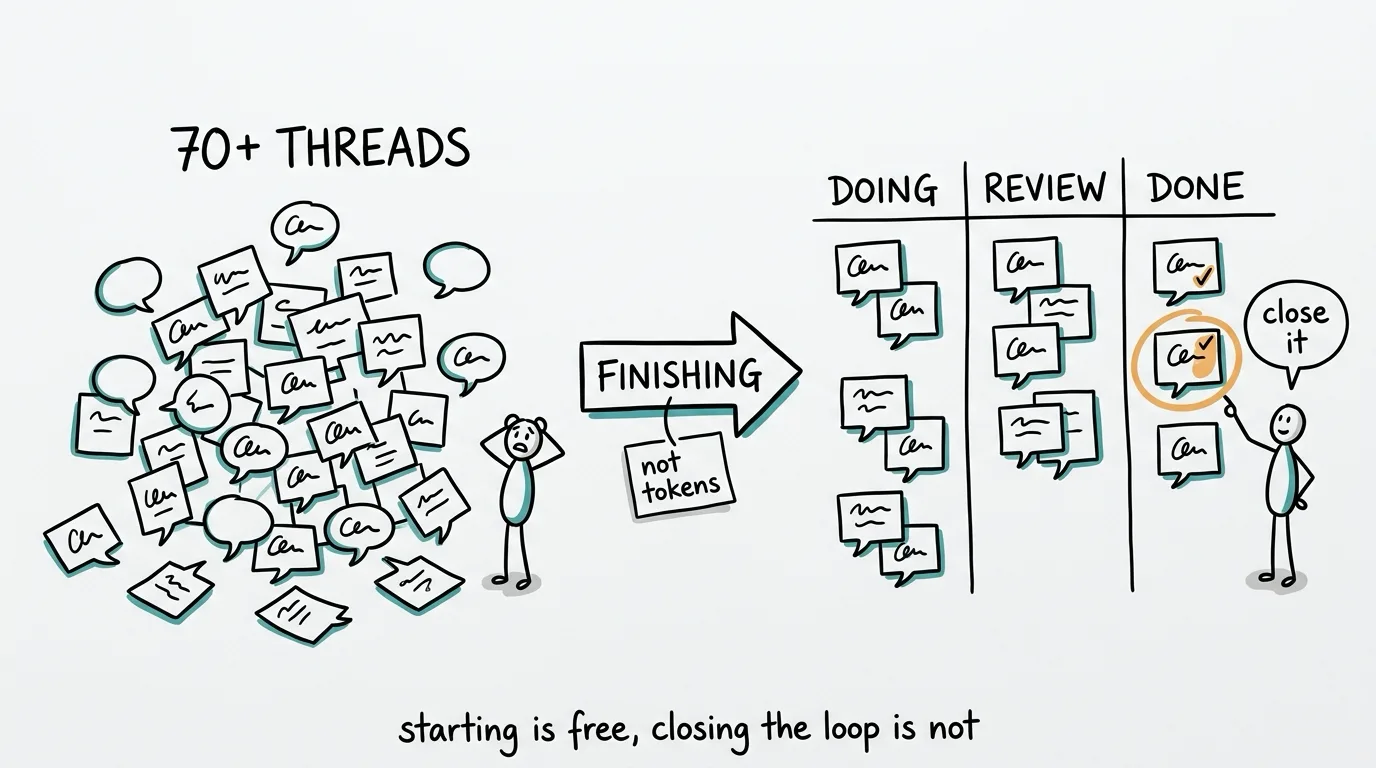
AI made starting work nearly free. It did not make finishing free: deciding what is worth doing, reviewing, shipping, and closing the loop still cost the same judgment they always did. So the bottleneck moved, and what you get is not more impact but a pile of half-finished threads. I built a personal kanban board for my own AI coding threads and the first thing it showed me was the size of my own pile.
Read more →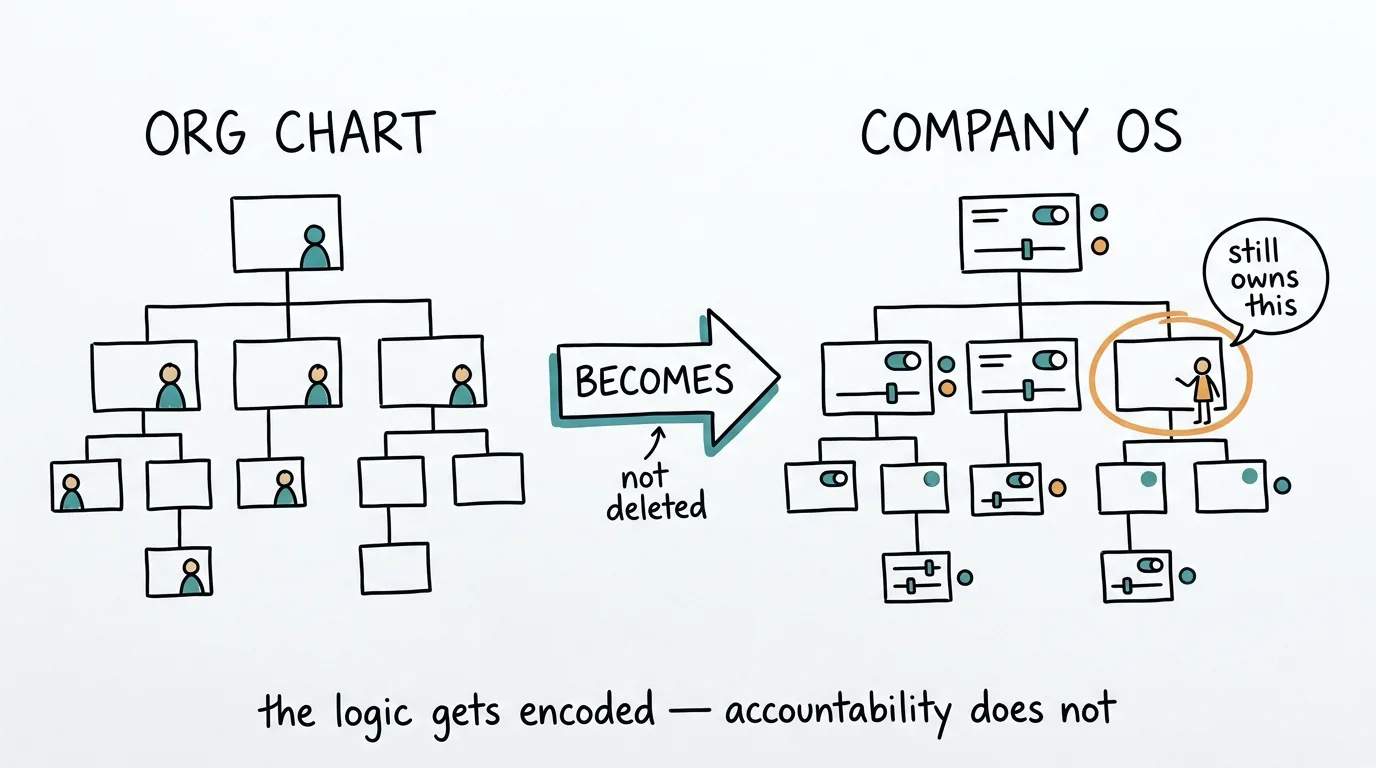
AI will flatten parts of the organization, but it won't remove accountability. The real shift is that more of the company's operating logic becomes encoded, observable, and continuously adjustable, and someone still has to own it.
Read more →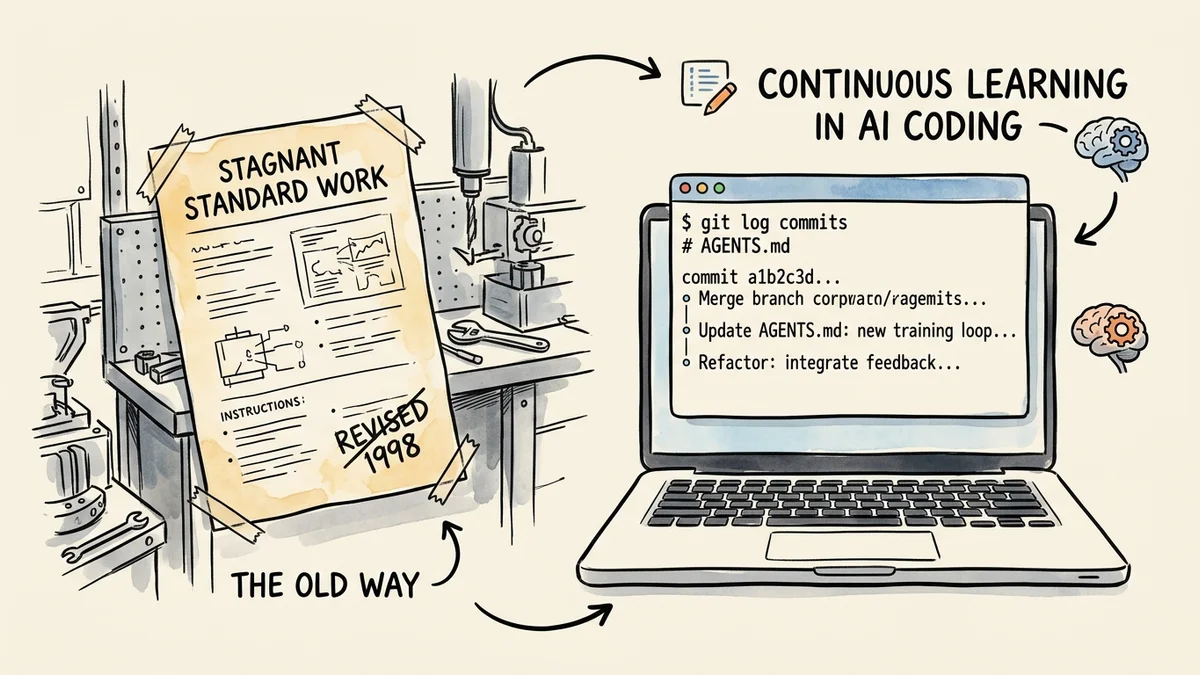
A Lean sensei could tell an organization had stopped improving by looking at one document. In spec-driven development your harness is that document, and the measurement takes one git command.
Read more →